 We ship worldwide
 Top customer satisfaction!
 Many payment options

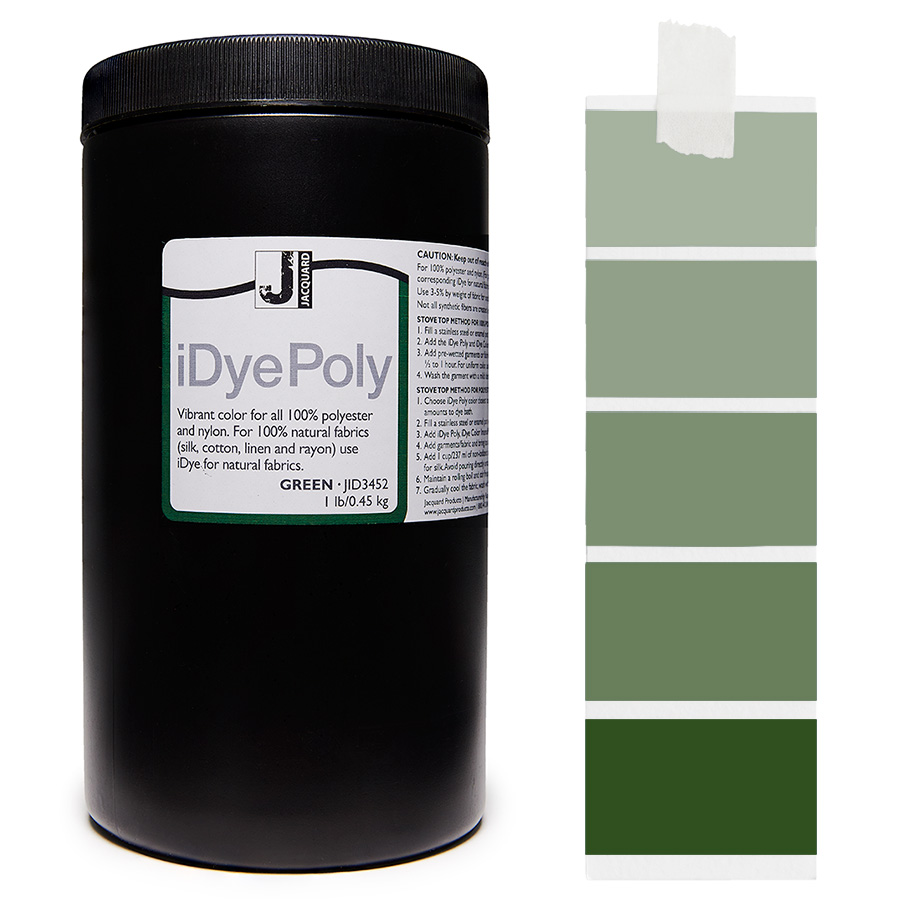
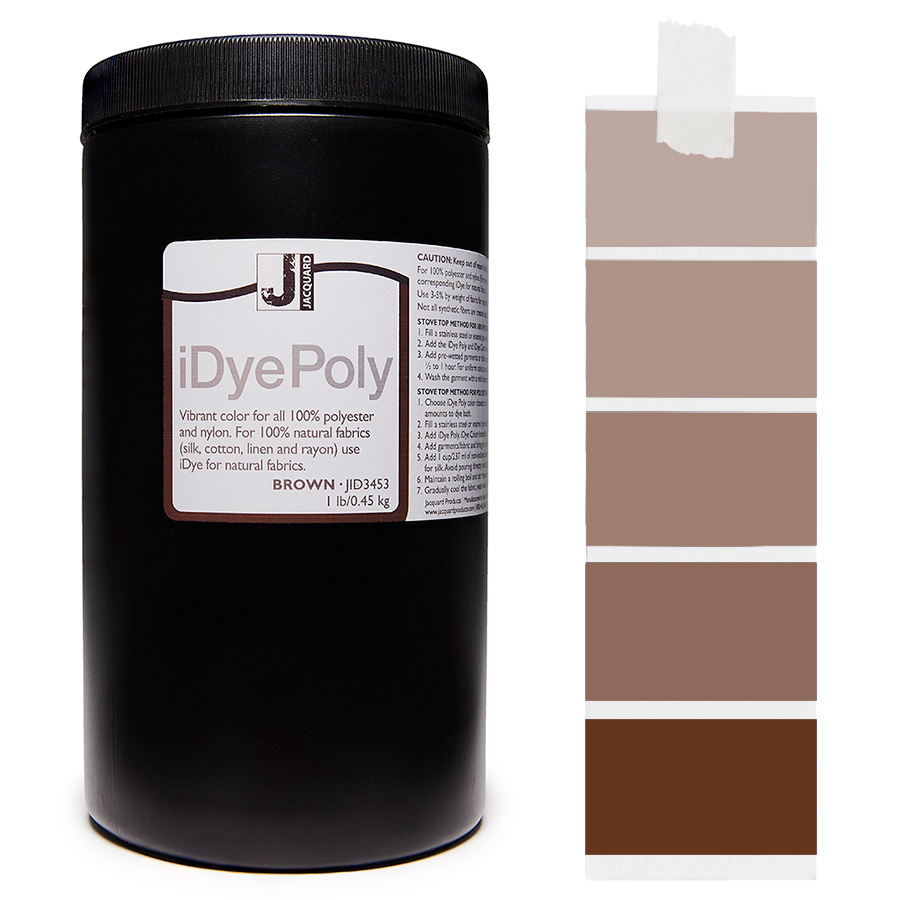
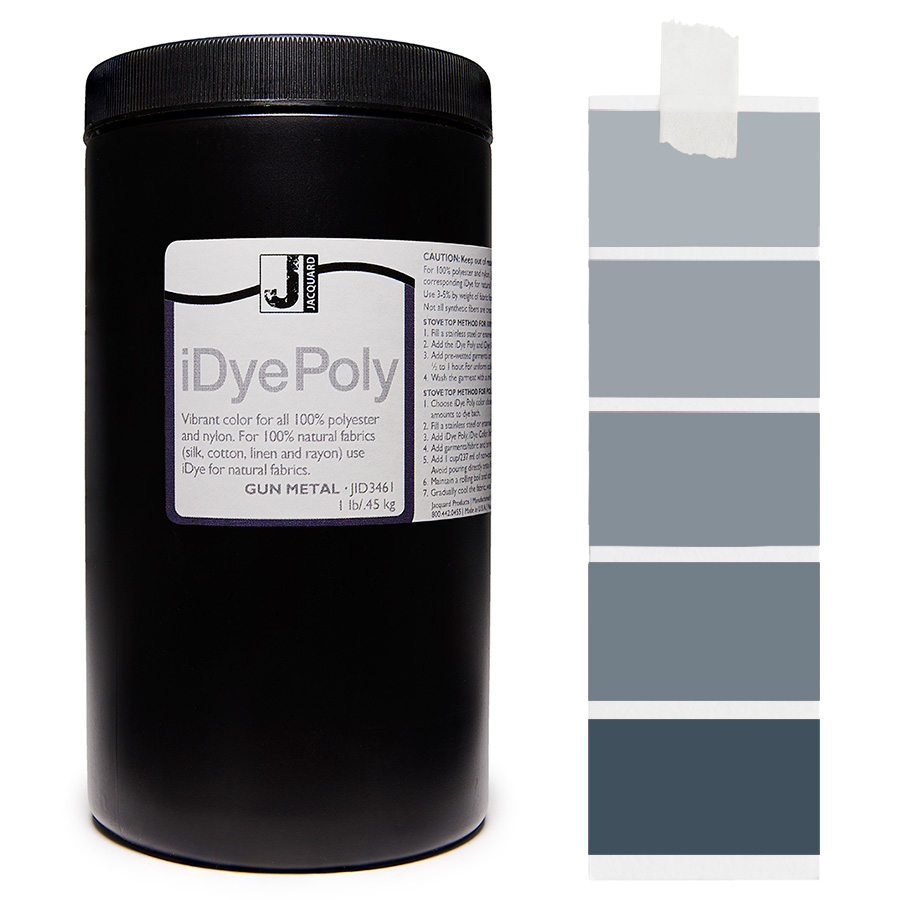
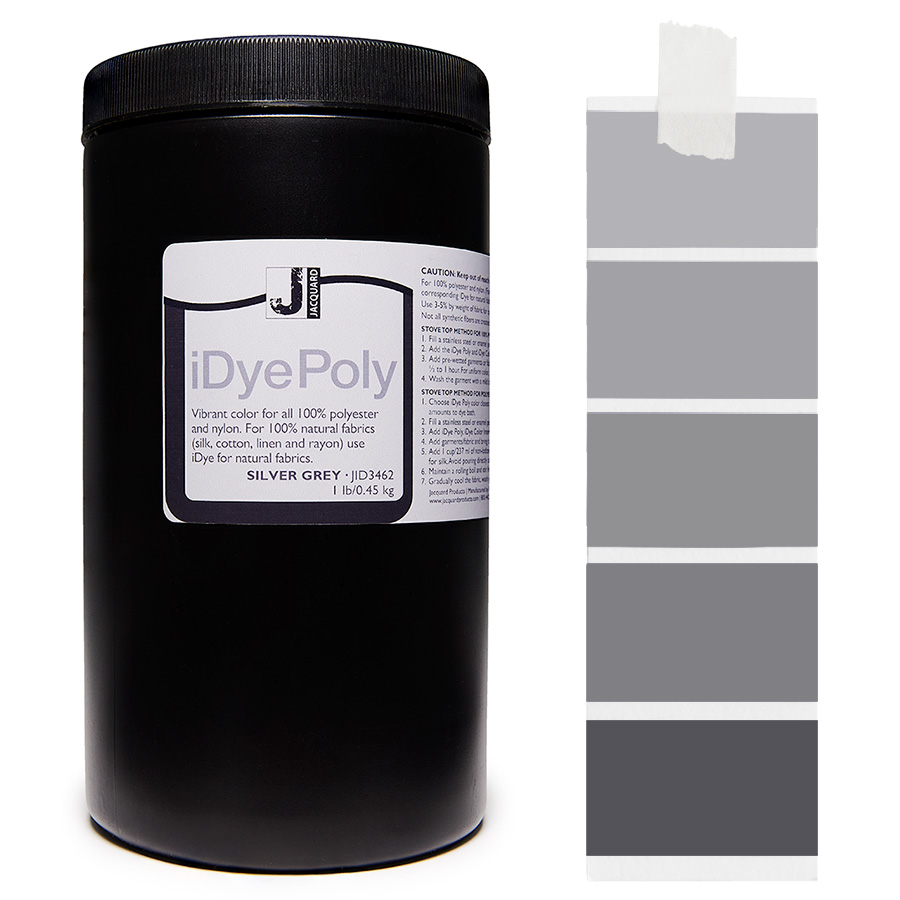
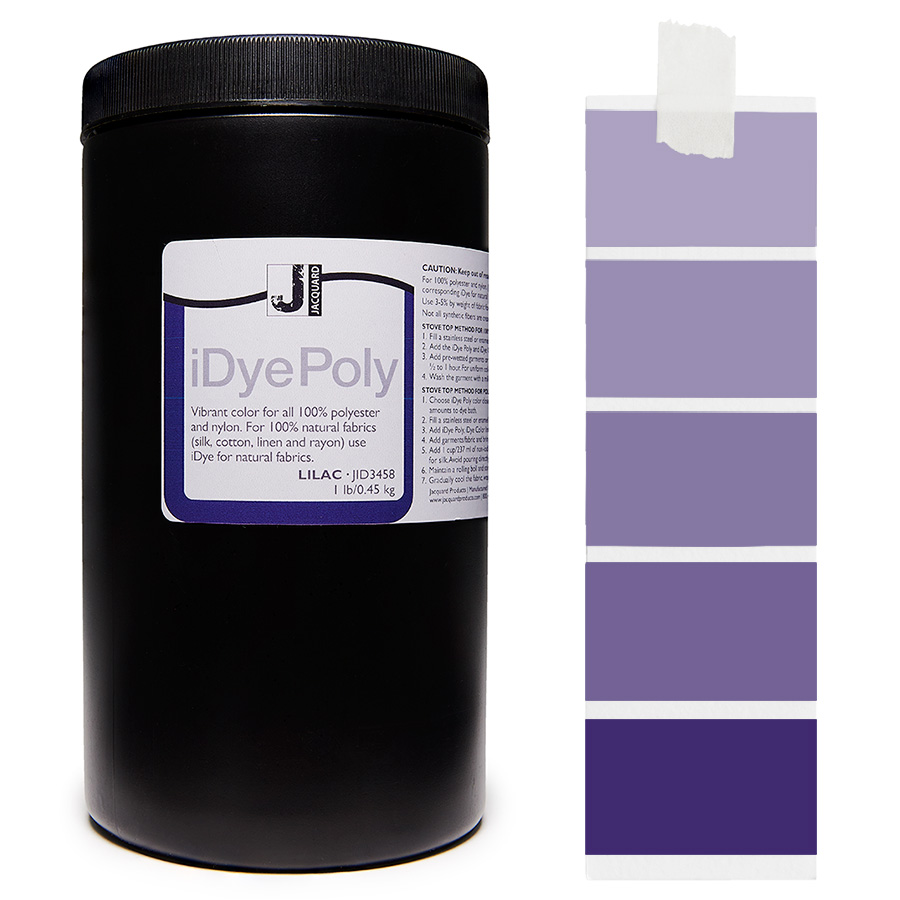
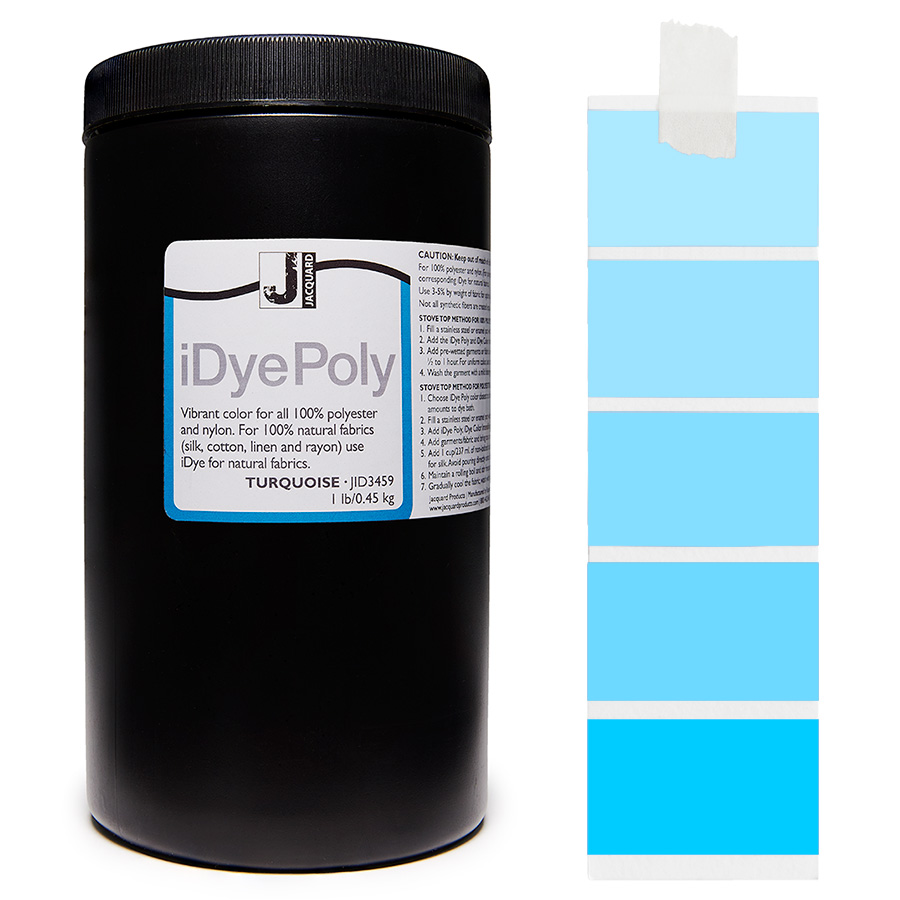
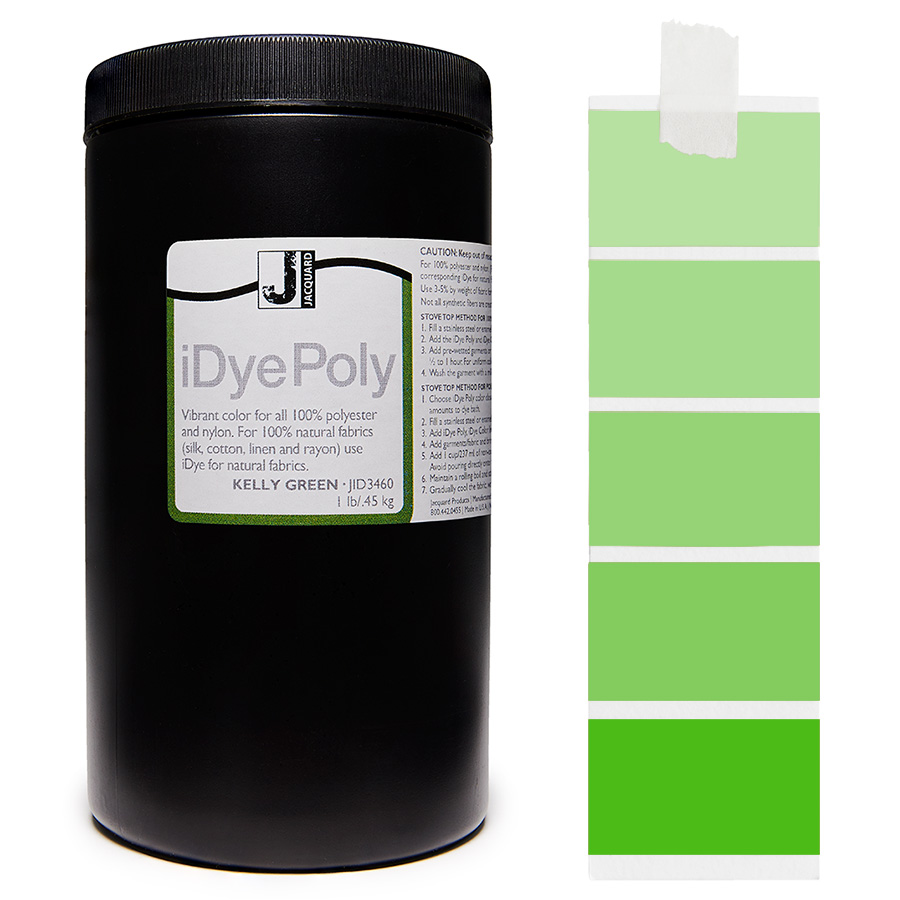
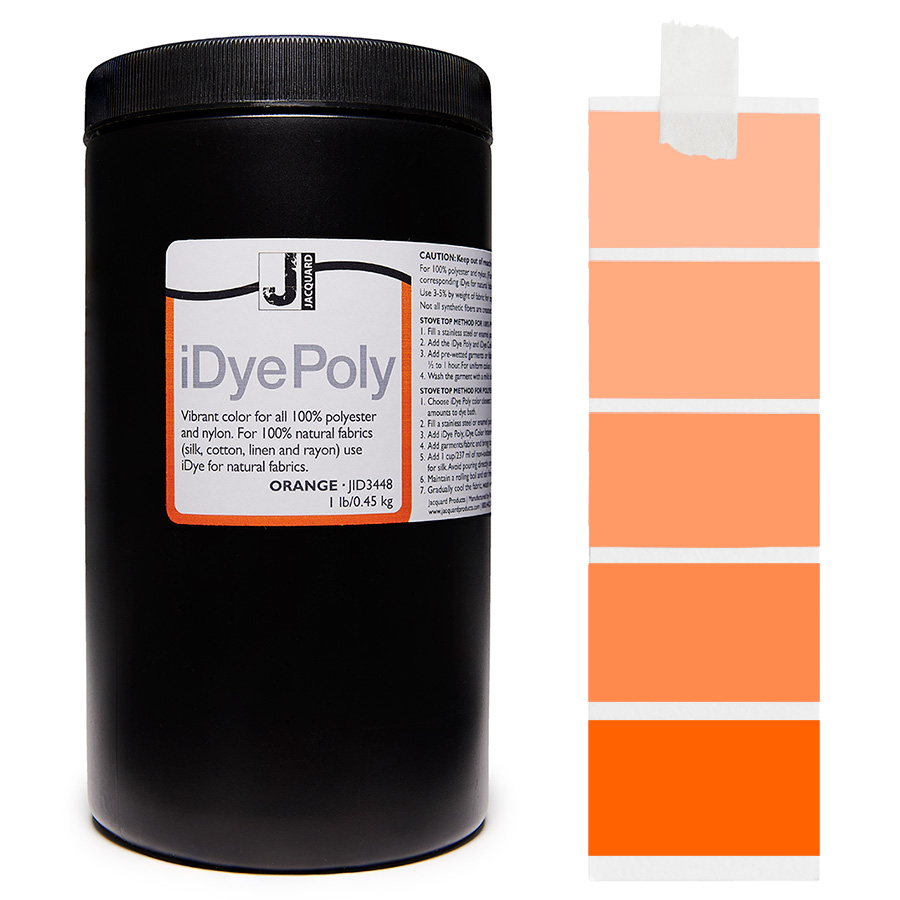
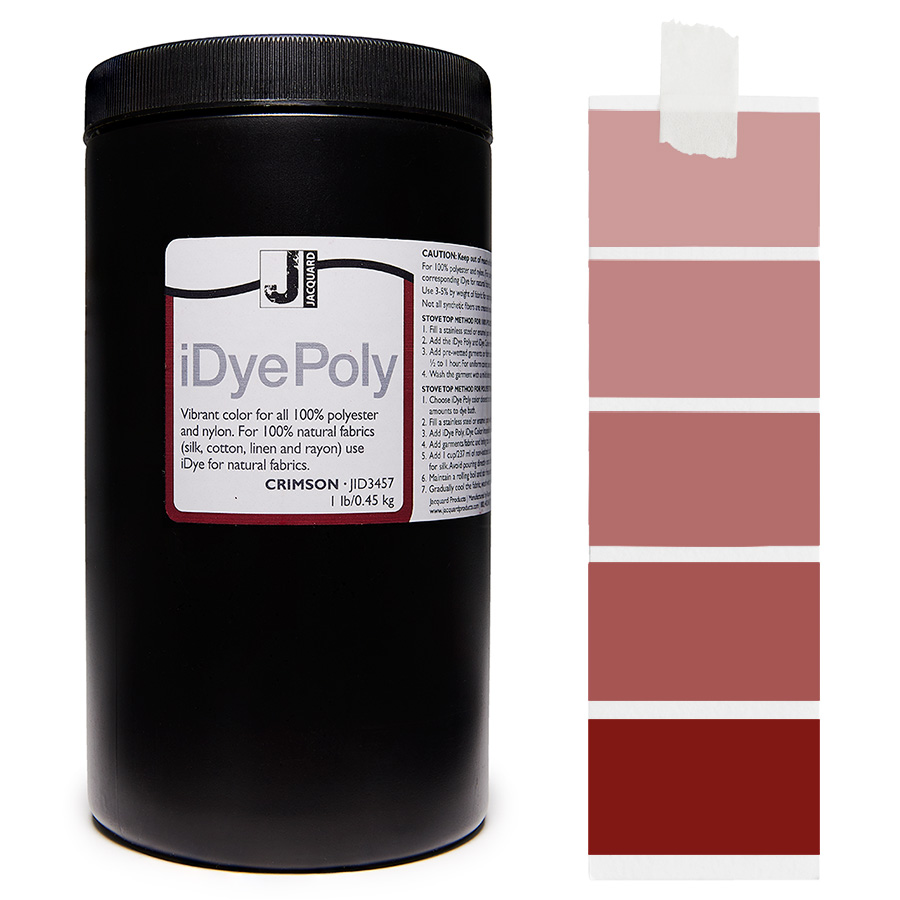
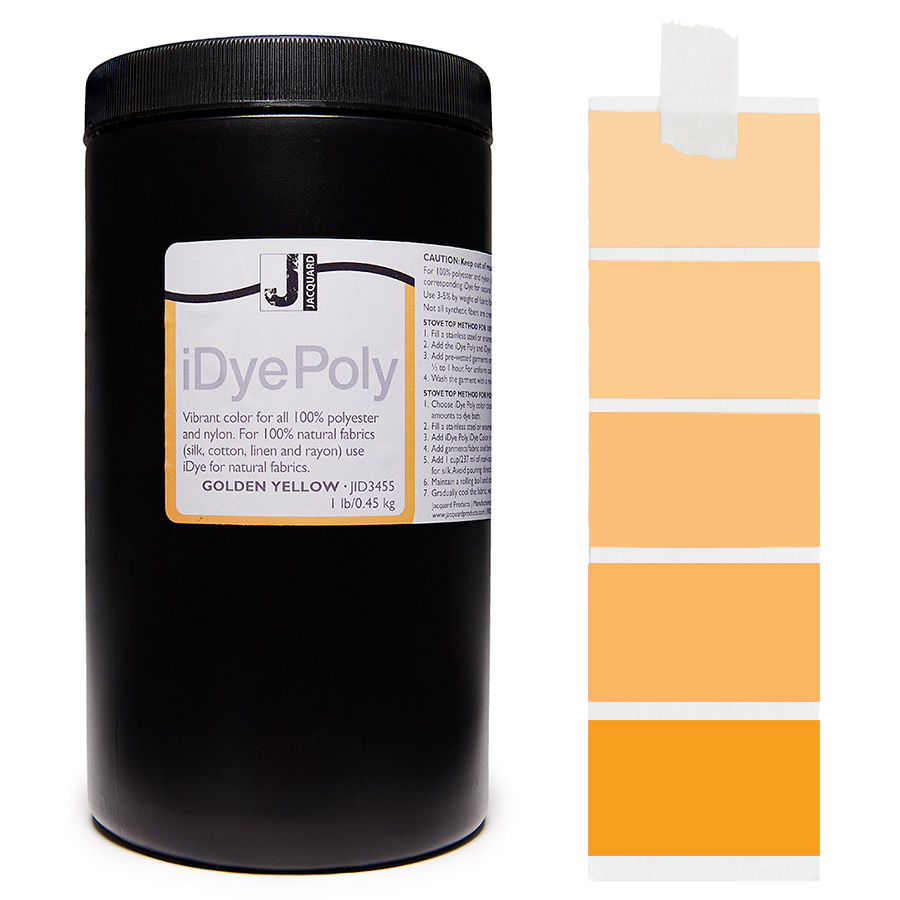
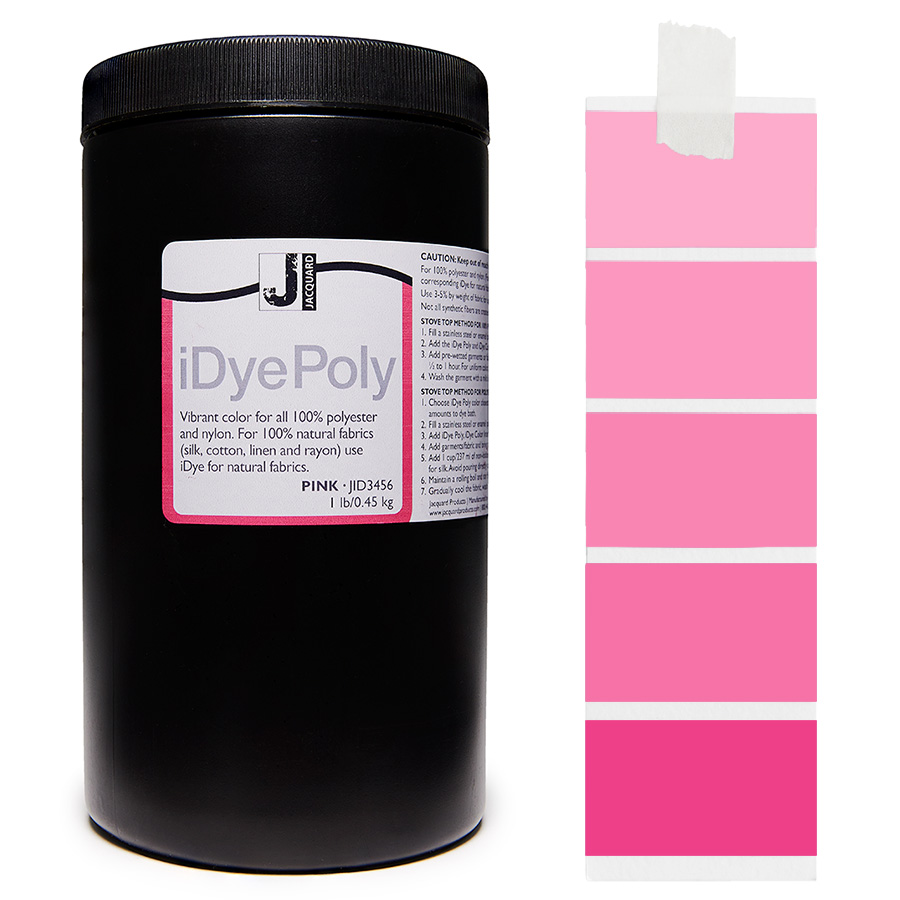
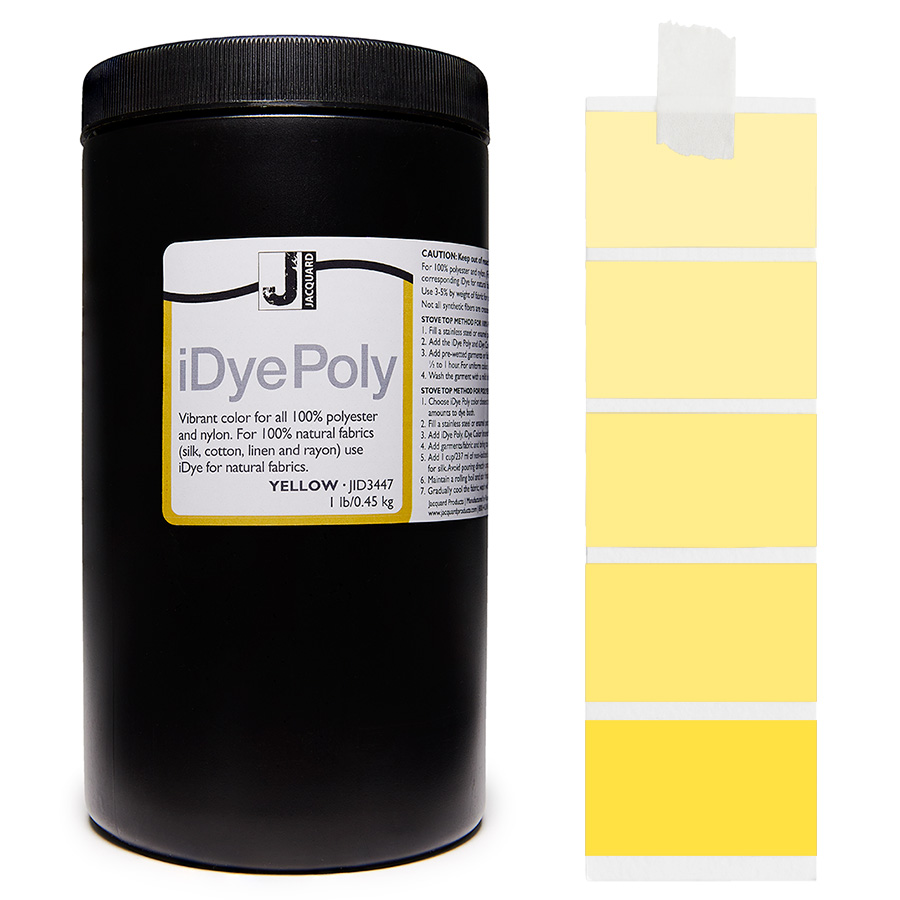
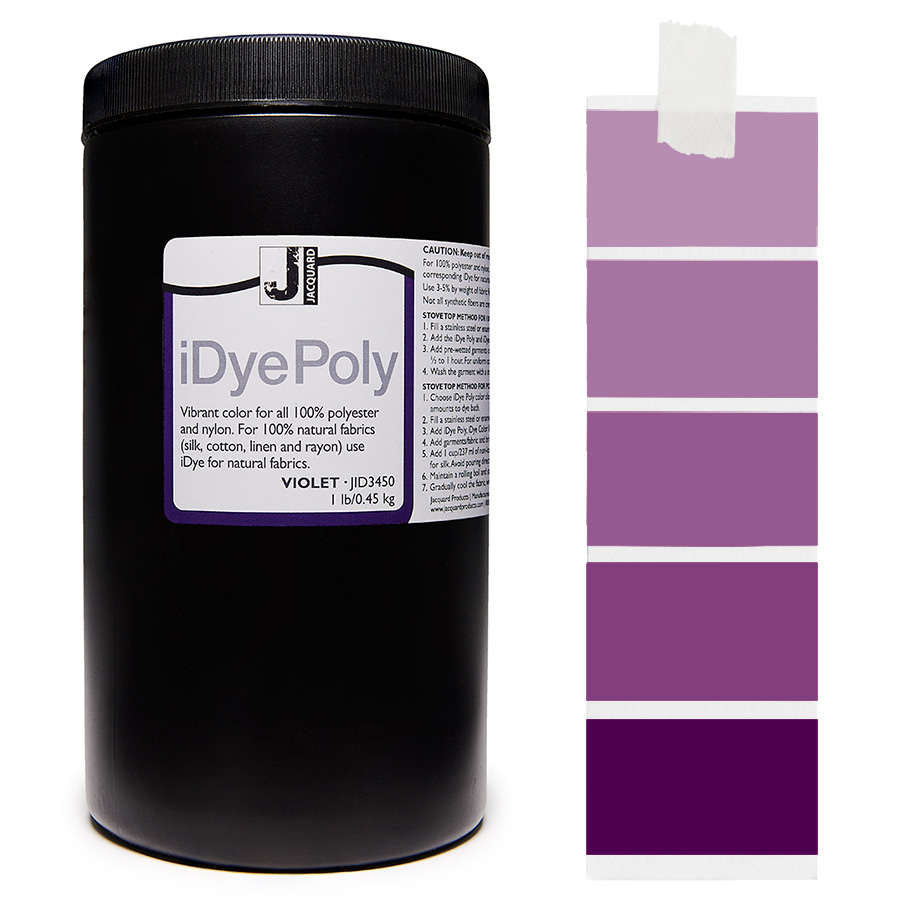
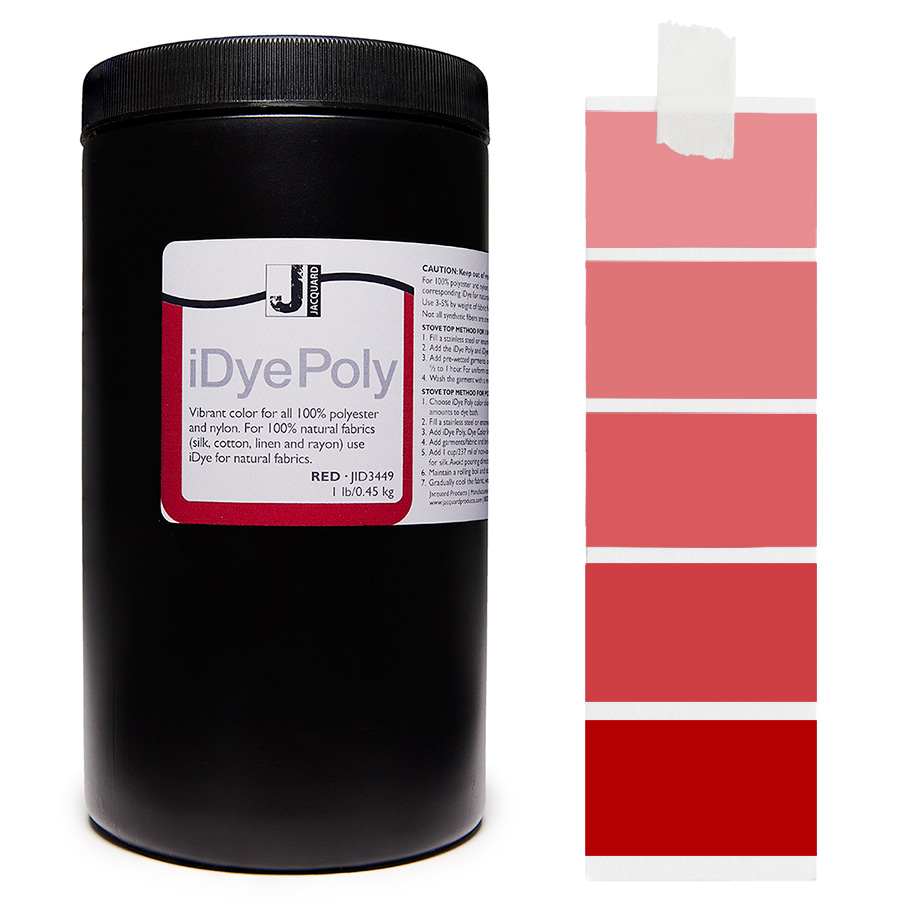
iDye Poly Pro - Polyester Textile Dye | 450g | Green
Available, delivery time: 1-3 days
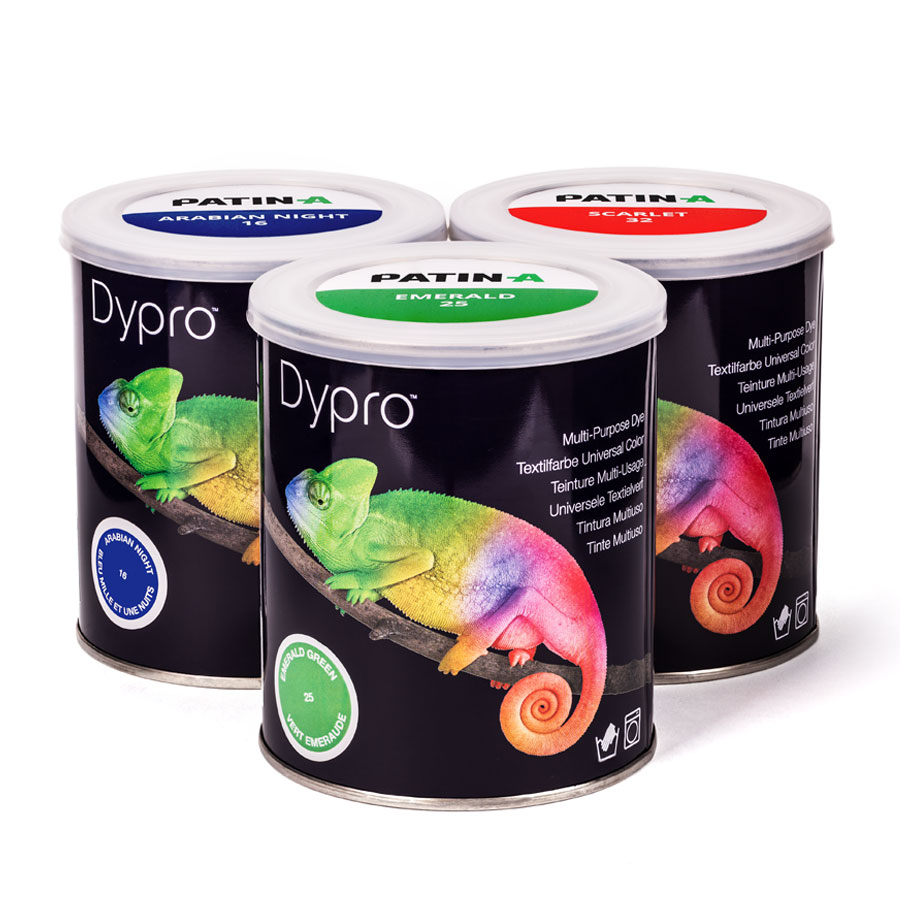
Jacquard iDye Poly Profi 450 g: the large tin for theatre dye shops
Anyone who dyes polyester regularly knows the problem: for one single large costume you already need a handful of sachets in the washing machine.
For theatre dye shops and everyone who dyes often and in large quantities, there is iDye Poly therefore in the 450 g tin.
The same dye as in the small sachets, only as loose powder for weighing out.
This way you dose exactly according to fabric weight and depth of shade, and save a lot compared with the individual sachets.
16 shades for polyester, nylon, wigs, buttons and Worbla.
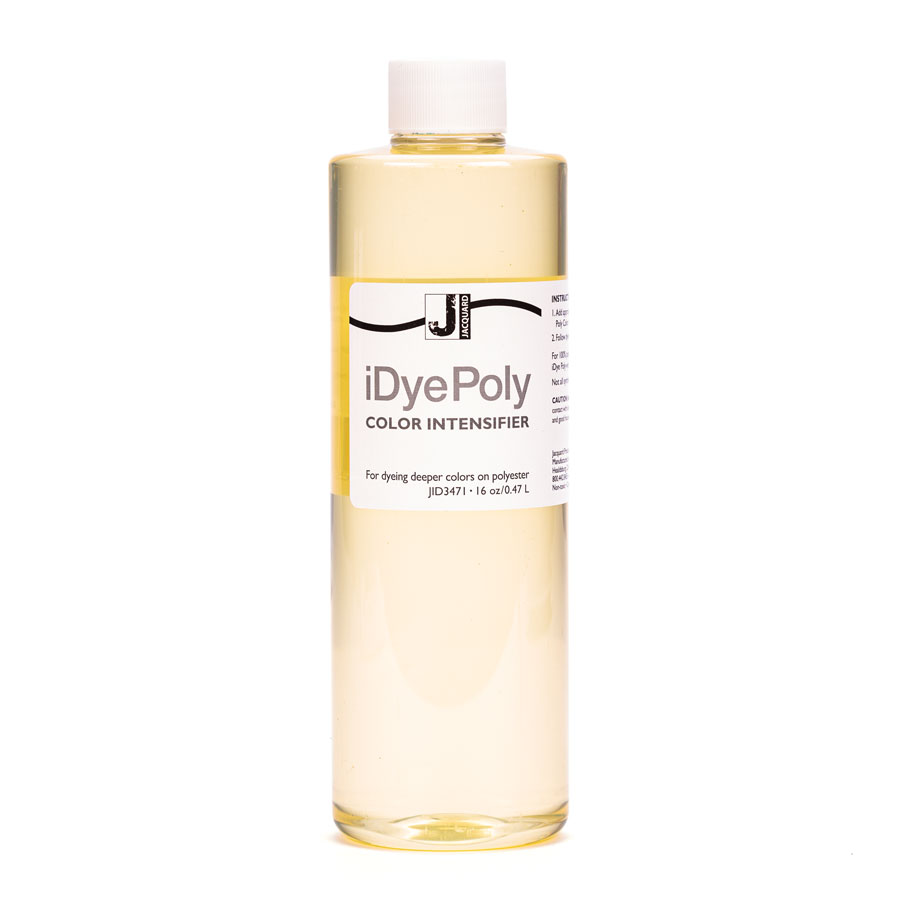
Important: The Color Intensifier is not included in the tin. Please order iDye Poly Pro Color Intensifier as well.

At a glance
• Hot water textile dye for polyester and nylon as powder, 450 g in the tin
• 16 shades, intermixable
• Dyes at approx. 95 °C in the pot or in the washing machine
• Color Intensifier sold separately and absolutely necessary
How much dye do I need?
• In the pot: 14 g dye powder plus approx. 15 ml Color Intensifier for 400 to 500 g of fabric
• In the washing machine: 40 g dye powder plus approx. 15 ml Color Intensifier for 500 g of fabric. With less dye the colour will only turn out weak.
One tin is therefore enough for a good 13 kg of fabric in the pot.
What can I dye with iDye Poly?
• Polyester and nylon (polyamide): costumes, lining fabrics, yarns, sewing thread
• Synthetic wigs
• Buttons and other plastic parts, including Worbla
• Rubber sneaker soles: iDye Poly is recommended by well-known sneaker artists. For this you also need acetone for pre-treatment.
• Blended fabrics: together with iDye Natural in one bath
Dyeing hot? Don't worry about the care label
The hotter and the longer you dye, the more intense the colour becomes. Leave the fabric in the dye bath for at least half an hour.
Many labels say “wash at max. 30 °C only”. But cotton, linen, polyester and nylon can easily take a boil wash. The cotton of your jeans was bleached and washed hot several times before it became a garment. And cotton is ironed on the hottest setting.
What makes clothes shrink is above all high spin speeds and the tumble dryer, not the hot wash.
Polyester even needs really high temperatures of approx. 95 °C so that the dye can penetrate the fibre.
And the seams stay white? Not with iDye
You know the problem: the garment shines in a new colour, but the seams, the label and the zip have stayed the old colour. The reason: they are usually made of polyester.
The solution: add iDye Natural and iDye Poly together to the same dye bath. This way your garment is dyed through and through, including seams, labels and buttons. Or you combine two different shades and get exciting two-tone effects.
When does it not work?
• Down: Please never dye garments with down filling with iDye Poly. The high temperature makes the down stick together.
• Coated fabrics: Some polyester fabrics are impregnated or treated with UV protection, for example curtains, parasols, garden cushions, jackets and rucksacks. These fabrics hardly take up any dye. Unfortunately you often only notice this after dyeing. So do a test first.
• Too little heat: Weak dyeing in the washing machine is usually due to too little dye or too low a temperature.
Pot or washing machine?
iDye Poly is actually made for dyeing in the pot, but also works in the washing machine. Whenever you can dye the garment in the pot, we recommend the pot: the result is stronger and you need less dye. It is best to use the washing machine only for items that are too big for the pot.
The usual parts of a washing machine made of painted metal, PVC and rubber are not stained by iDye Poly. Still, pour the dissolved dye slowly and carefully into the detergent drawer.
Instructions and FAQ
You will find the detailed dyeing instructions in the tab “Dyeing instructions”, and answers to many questions in the tab “FAQ”.
Hazard information

Warning. May cause an allergic skin reaction. Causes serious eye irritation.
If medical advice is needed, have product container or label at hand. Keep out of reach of children. Avoid breathing dust. Contaminated work clothing must not be worn outside the workplace. Wear protective gloves and eye protection. IF ON SKIN: Wash with plenty of water. IF IN EYES: Rinse cautiously with water for several minutes. Remove contact lenses, if present and easy to do. Continue rinsing. Specific treatment (see label). If skin irritation or rash occurs: Get medical advice. Dispose of contents and container in accordance with local regulations.
Based on the manufacturer's safety data sheet. Always read the label and product information before use.
Contents
• 450 g textile dye as powder in the tin
• Sales unit: 1 piece
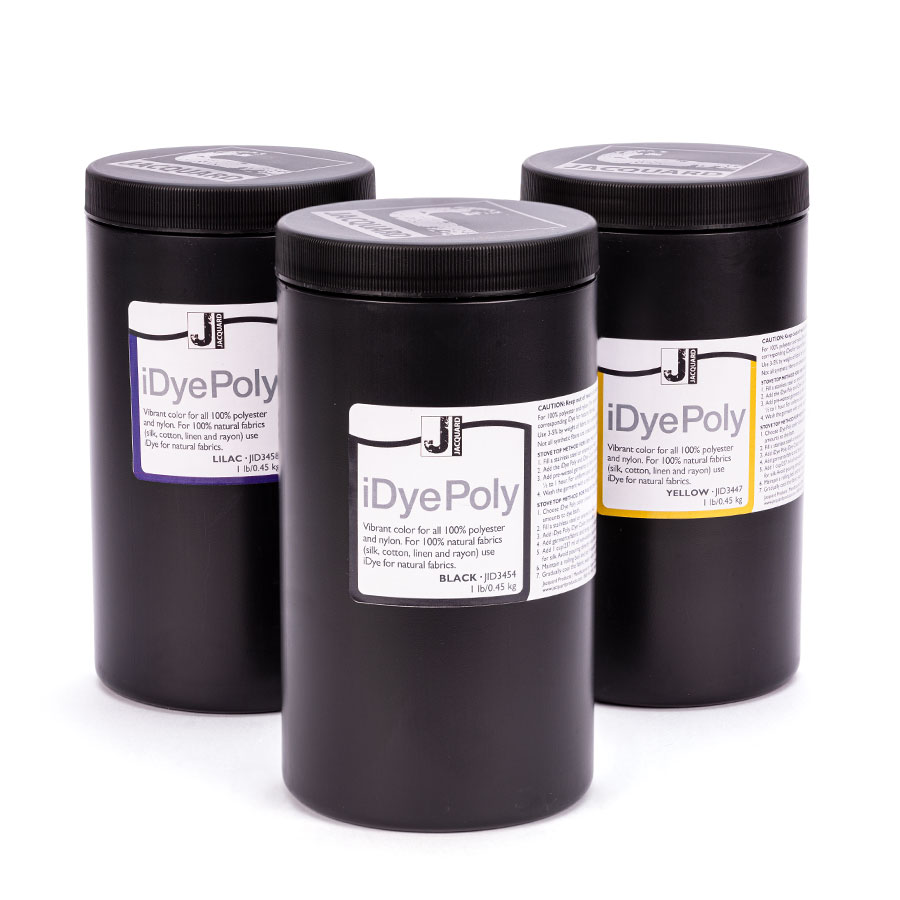
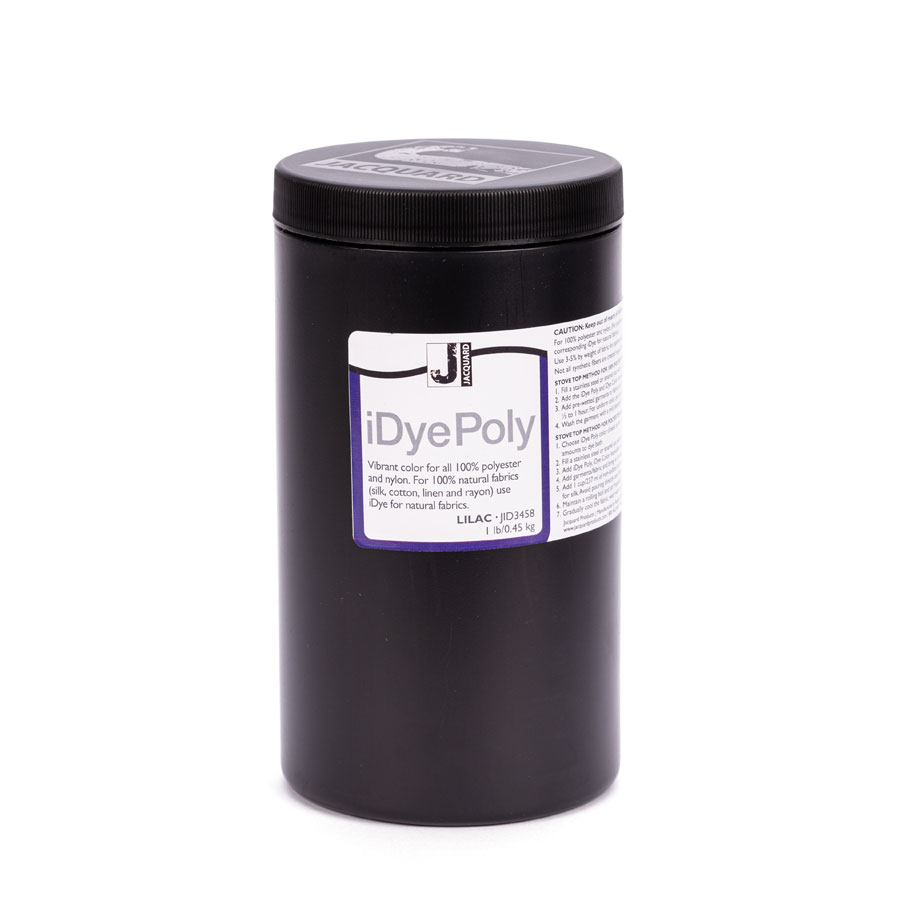
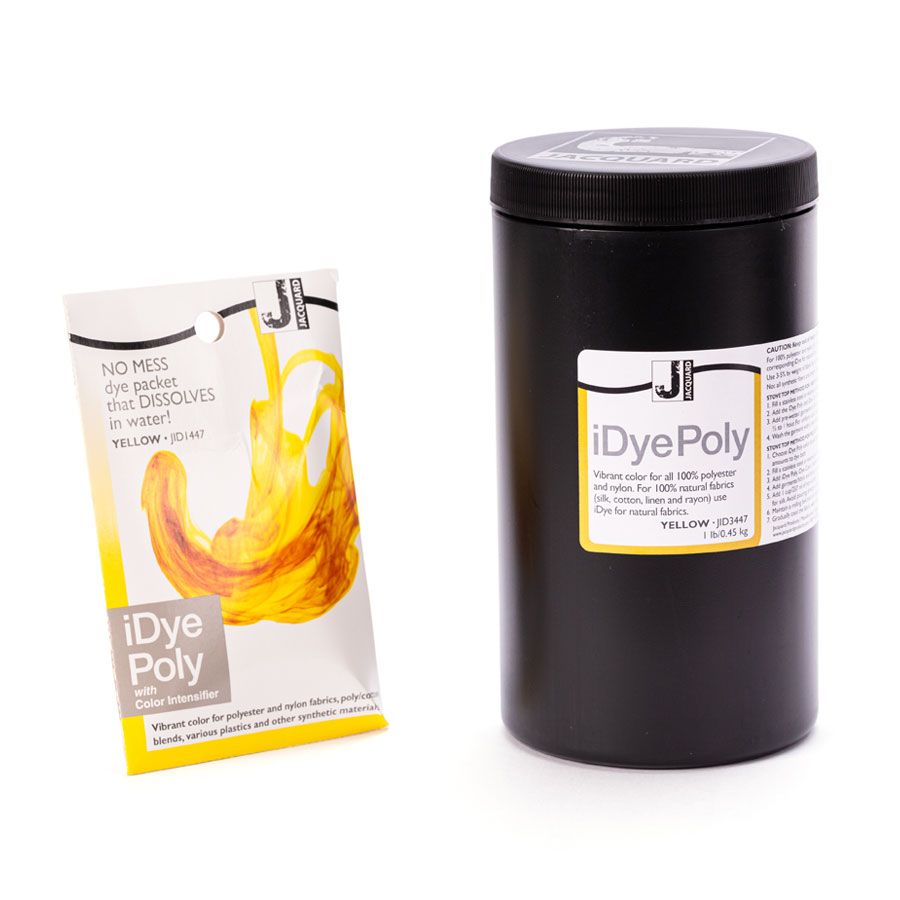
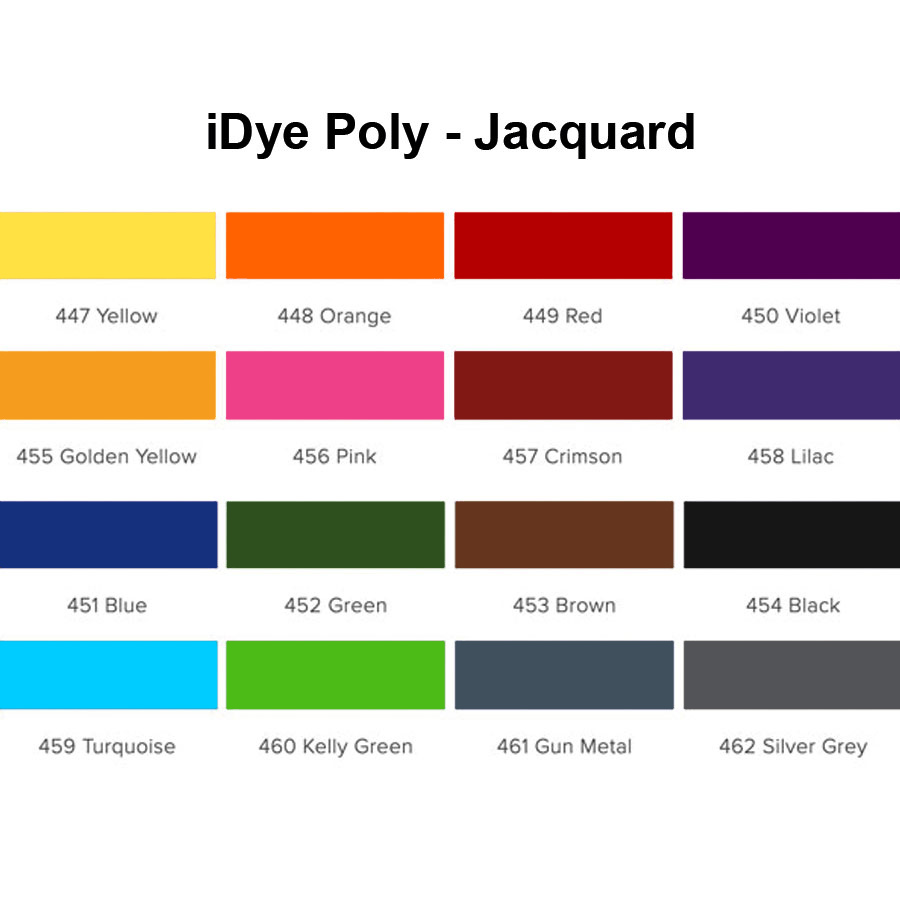
Jacquard iDye Poly - Instructions for use
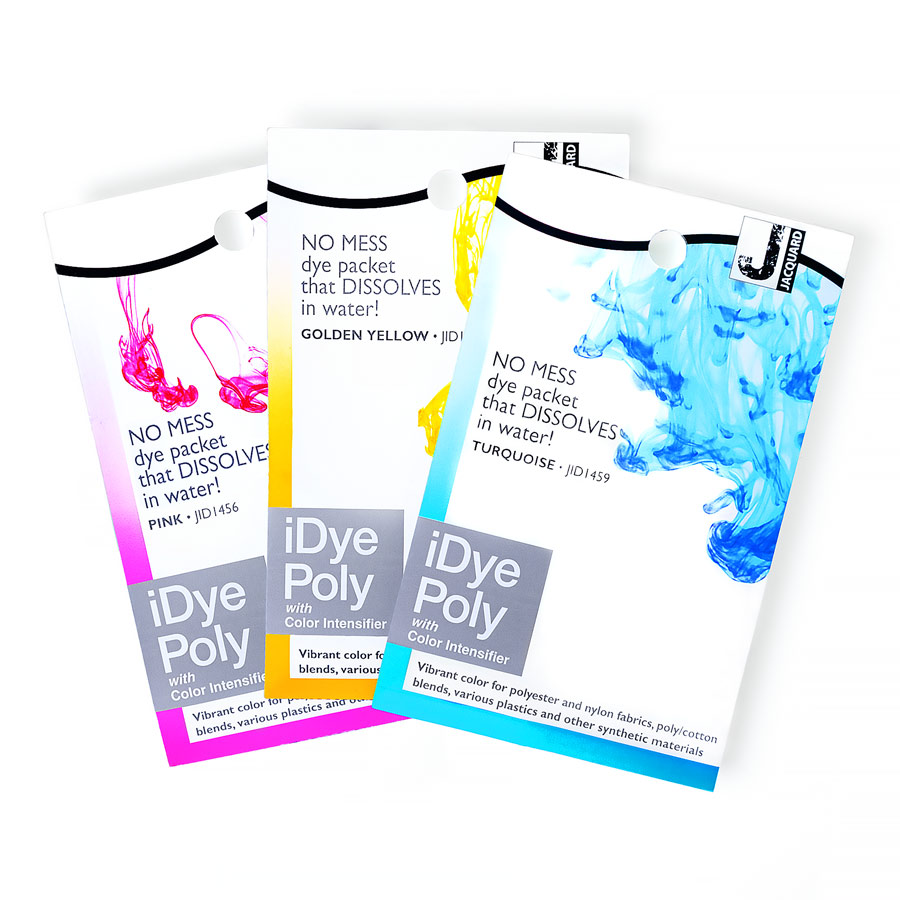
iDye Poly is an easy-to-use soluble dye powder. For fabrics made of 100% polyester and nylon. Dyes up to 1-1.3 kg of dry fabric.
Please use in well-ventilated rooms - iDye Poly is not odourless.
Not all synthetic fibres are made in the same way. The dyeing result depends on the type of fabric, the temperature of the dye bath and the duration of dyeing. Please always test first.
The dye liquor can be safely disposed of in the sewer, the drain or a septic tank.
Which iDye is the right one?
• iDye for Natural Fabrics for 100% natural fibres
• iDye Poly for 100% polyester & nylon
• for blended fabrics of natural and synthetic fibres, combine similar colours from the iDye for Natural Fabrics and iDye Poly colour palette.
For best results:
• Read the complete instructions before you begin.
• For the best results and maximum colour intensity, dye on the stove.
• Keep the items to be dyed in constant motion to obtain an even dyeing result.
Please note: use less dye powder for lighter shades.
Polyester is difficult to dye and needs great heat to achieve a good colour; we therefore recommend dyeing on the stove only for polyester.
Please note: the instructions apply to the most intense dyeing. For lighter shades, dissolve the contents of the sachet in a container of hot water. To get the desired shade, add the right amount of dissolved dye powder to the dye bath. Please note: the longer the items stay in the dye bath, the darker the shade.
Dyeing on the stove, 100% polyester and nylon:
Important: the utensils and pots used for dyeing should not be used for food.
1. Fill a stainless steel or enamel pot with enough water so that the items can move freely in it. Set to high heat.
2. Add the soluble dye powder iDye Poly and the colour booster iDye Color Intensifier into the water and stir until the powder has dissolved.
3. Add the damp garments or fabrics and bring the bath to the boil. Keep the dye bath at a high temperature. Stir constantly for 30 minutes to 1 hour to obtain an even dyeing result.
4. Wash the garment with a mild detergent and let it dry.
Dyeing on the stove, blended fabrics of natural and synthetic fibres:
1. Fill a stainless steel or enamel pot with enough water so that the items can move freely in it. Set to high heat.
2. Choose the iDye Poly colour that comes closest to the iDye for Natural Fabrics colour you are using. Add both sachets to the dye bath. Add the Color Intensifier and stir until the powder has dissolved.
3. Add the damp garments/fabrics and bring the bath to the boil.
4. Add 250 g salt (non-iodised)/dyeing salt for cotton, linen and viscose, or 75 ml white vinegar for silk. Do not pour directly onto the fabric.
5. Let the dye bath simmer gently and stir frequently for half an hour to one hour. This gives you an even dyeing.
6. Let the fabric cool slowly, wash it with mild detergent and let it dry.
iDye FAQs and troubleshooting
Can I dye viscose with iDye? And what do I do for nylon?
• Yes, iDye Natural is fantastic for dyeing viscose (which is really synthetic cotton). Nylon has to be dyed with iDye Poly.
Is the dye non-toxic?
• When used correctly according to the instructions, dyeing is safe. However, some shades are labelled, for example because of possible skin allergies. You will find the exact information for your shade in the description under “Hazard information” as soon as you select the shade. Always wear gloves when dyeing.
Which containers can I use?
• Do not use a pot that you want to cook in. Stainless steel or enamel pots are best. Aluminium pots are not recommended, but will work in an emergency.
Can I also use a Teflon pot?
• Yes.
What is the soluble powder in the sachet made of?
• It is PVAL (polyvinyl alcohol).
Is the dye bath harmless to septic tanks?
• Yes.
What is the safest and most ecological way to dispose of the dye bath?
• Dispose of the dye bath in accordance with local regulations.
How much fabric can one sachet dye?
• One sachet dyes up to 1.3 kg for dark shades. You can also dye larger quantities of fabric with it, but the shade will then get lighter and lighter.
Should I use 2 sachets for darker shades?
• It depends on how much fabric you want to dye and how much water you use. You get darker shades with more heat, less water or more dye.
Will the garments shrink? Why do I have to use hot water?
• Many dyes are a mixture of several colours. Each colour reacts at a different temperature. 82 °C (180 °F) is the optimal dyeing temperature. You therefore need hot water to achieve the best possible colour. If your fabric cannot tolerate high temperatures, use a cold water textile dye such as Jacquard Procion MX.
Do I have to add salt and/or vinegar?
It is not strictly necessary, but highly recommended for maximum colour intensity.
• Salt is for cellulose-based fibres such as cotton, linen, hemp, etc.
• Vinegar is for protein-based fibres such as silk, wool, feathers, etc.
What are the salt/vinegar for?
• Salt or vinegar drives the dye into the fabric.
Can different colours be mixed?
• Yes.
What do I do if I want a lighter shade?
• Use less dye! Dissolve the dye powder in a pot beforehand and use only what you need. You can keep the rest and use it later. You can also cut open the dye sachet and spoon out a small pinch of dye powder.
• Dyeing at lower temperatures is another way to achieve paler shades.
Should I use iDye Fixative together with iDye Poly?
• No, that is not necessary. The fixative is only used in combination with iDye Natural. It improves wash fastness.
Can I keep the dye bath and use it again later?
• Yes, that is possible, but not recommended. It is very unlikely that you will get the same result with the second dyeing, especially with an iDye colour that consists of a variety of dyes. Each colour in the mixture dyes with a different intensity, so the ratio of the colours remaining in the dye bath changes after the first dyeing. If you still want to dye, and accept possible uneven colouring, remember that you may need to reheat the dye to dissolve the colour again.
How long does the water-dye mixture keep?
• It keeps indefinitely. However, over time the dye powder will settle and the mixture must be heated to dissolve the dye again.
Can I use iDye with an airbrush?
• In principle, yes. However, it is not recommended. Jacquard has a number of products that are better suited for spraying. The Jacquard CVS dyes or Dye-Na-Flow may be suitable for your airbrush work. We are happy to advise you.
How does tie-dye work with iDye Poly on a polyester shirt?
• Use the sublimation method, or apply the dye and steam the shirt at 100 °C. Alternatively, the shirt can be tied and dipped into the boiling dye bath.
Can I paint on fabric with iDye?
• It is possible, but not recommended. Jacquard's fabric paints or a cold water textile dye are better suited for this work.
If I leave the product unopened, how long does it keep?
• It keeps indefinitely.
The colour bleeds. What did I do wrong?
• Maybe you did nothing wrong at all! Some shades, such as the red Crimson, tend to bleed. To avoid this, use the fixative iDye Fixative. The fixative improves the wash fastness of every colour.
My black dyeing turned olive green. What happened?
• Presumably the dye bath was not hot enough. For a black dyeing, the temperature of the dye bath must be at least 82 °C. The dyeing time may also not have been long enough.
Why is the colour on the fabric not the same as on the packet?
• The picture only shows the approximate shade. Different fibres always give slightly different shades. Depending on the fibre, the difference can also be considerable.
After using iDye Poly, a strong chemical smell remained on my garment. How do I get rid of the smell?
• Wash the garment several times in very hot water with a powerful detergent.
What is the best way to get a very light shade on a 100% polyester dress?
• Use only a small portion of the dye powder from the sachet. To do this, you can either dissolve the dye in a container beforehand and use a small amount of it, or cut open the sachet and take out a little powder.
Why does the navy blue iDye for Natural Fibers look purple when mixed with water?
• Our navy blue shade is a very warm, reddish tone. At lower concentration the dyeing turns slightly purple. At high concentration, however, you get a beautiful warm navy blue. The red component in the colour dyes less than the other components. To achieve the warm navy tone, the dye powder must therefore contain more red. Dissolved in water, the colour therefore looks slightly purple.
• Don't forget that the colour of the dye bath will always differ slightly from the result of your dyeing on the fabric/garment.
I used iDye Color Remover on a pair of store-bought jeans. After 40 minutes on the stove, just below boiling and with constant stirring, the colour of the jeans has not changed!
• Not all colours can be removed. iDye Color Remover removes iDye colours from natural fibres very well. On other fabrics the product will not necessarily work. Do a test first!
I no longer need my stainless steel pots for dyeing. If I wash them thoroughly, can I use them for cooking again?
• No, unfortunately that is not possible. Pots and utensils that have been used for dyeing should no longer be used for food.
How do I prevent iDye colours from staining the rubber parts in the washing machine?
• You can either dissolve the dye powder sachet before putting the dye into the washing machine, or run a hot wash programme with bleach several times after dyeing.
Does iDye for Natural Fabrics also work in front-loading washing machines?
• Yes. Watch this video: https://vimeo.com/jacquardproducts/idye
Can I use iDye Poly in the washing machine?
• Yes, iDye Poly also works in the washing machine. The colour is less intense there than on the stove, and you need more dye (see description). Choose the hottest programme (95 °C).
I dyed a cotton garment with iDye for Natural Fabrics, but all the seams stayed white. What happened?
• The seams on store-bought clothing are often made of polyester. Polyester cannot be dyed with iDye for Natural Fabrics. To dye the seams together with the garment, mix the same colours of iDye Natural and iDye Poly in the dye bath and follow the stove method.
I dyed a synthetic garment with iDye Poly and the buttons were dyed too. Why is that?
• iDye Poly dyes everything made of synthetics, including plastic buttons.
We answer further questions on the topic of 'dyeing' here:
• You will find comprehensive dyeing instructions here: iDye instructions
• Or take a look at our blog post: FAQs about dyeing with Textile Dyes
Manufacturer:
Jacquard Products | Rupert, Gibbon & Spider, Inc.
1147 Healdsburg Ave.
Healdsburg, CA 95448
USA
service@jacquardproducts.com
Responsible person in the EU (importer):
ART SELECT GmbH & Co. KG
Schützenstraße 22
21407 Deutsch Evern
Germany
vertrieb@artselect.de
Login
2 reviews
8 April 2022 09:52
iDye Poly Profi 450g - Polyester Textilfarbe
Abwicklung ist super schnell per Onlineshop. Die Ware kommt am nächsten Tag spätestens übernächsten Tag. Sehr kurze Reaktionszeiten. Qualität des Materials auch top!
15 May 2021 12:37
Super Farbe
Ich bin schwer begeistert von der Polyesterfarbe. Bisher waren die Polyesterstoffe nur bemalbar, mit herkömmlicher Färbefarbe war es mäßig möglich die Stoffe zu färben.
Bin sehr froh, dass PATINA die Farben auch in großen Abpackungen anbietet.
Vielen Dank!!!
Similar Products
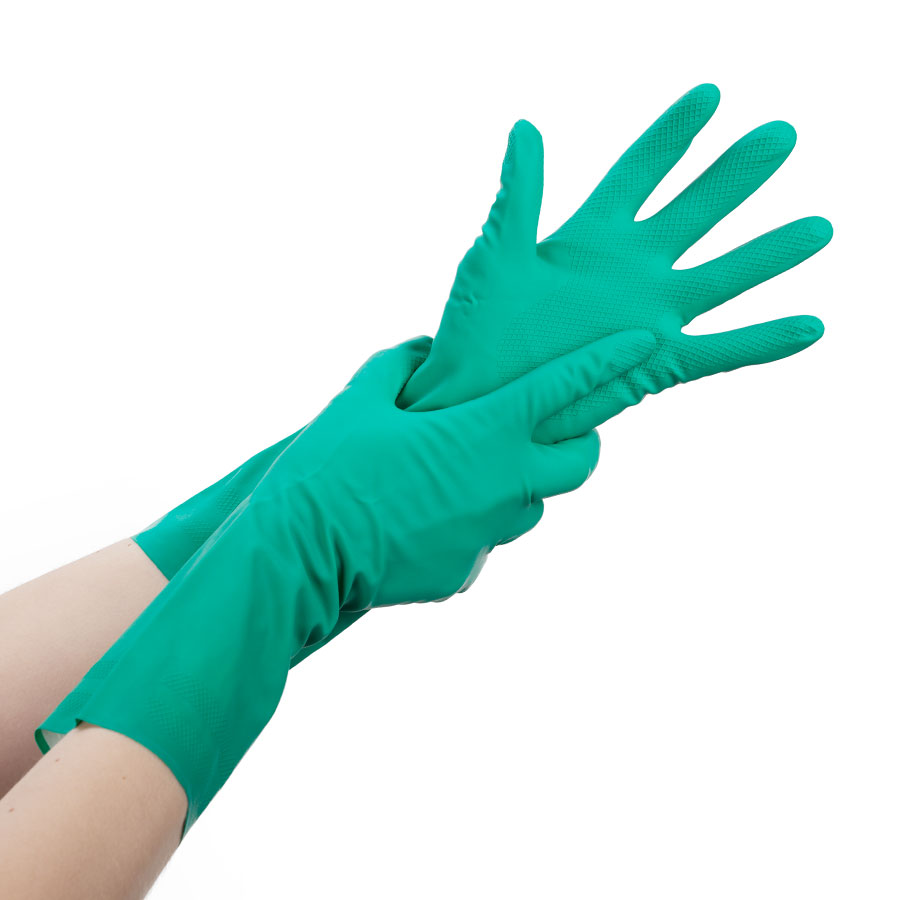

Content: 0.5 Kilogram (€3.70* / 1 Kilogram)
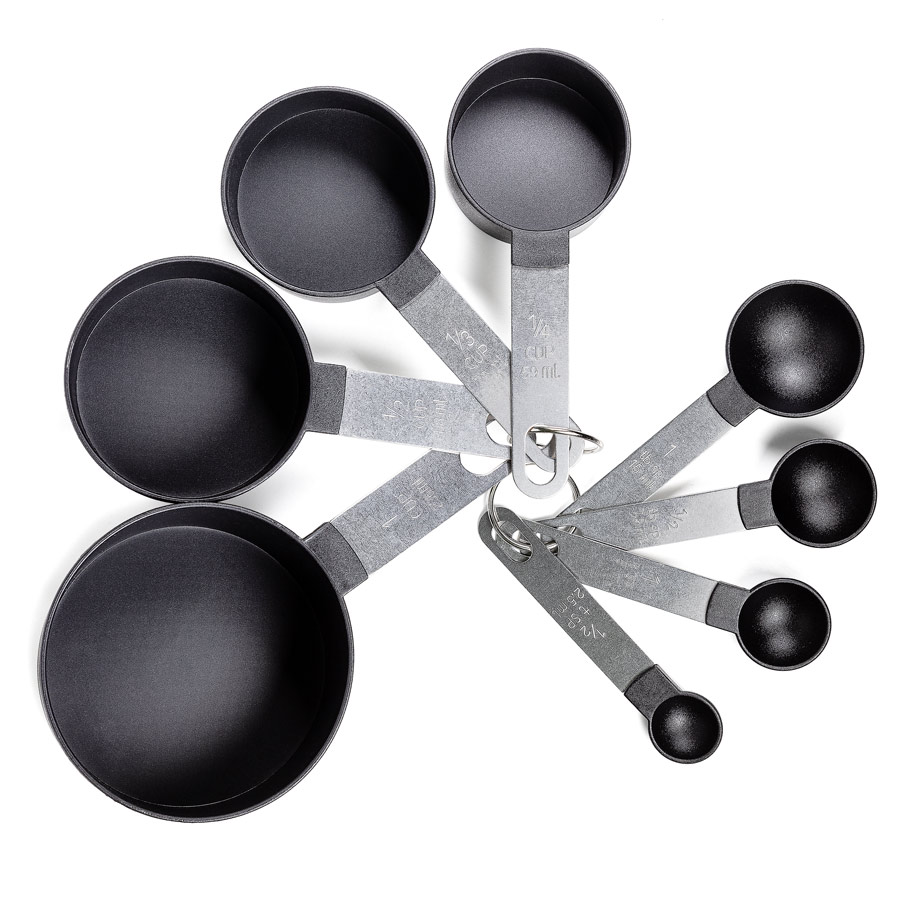
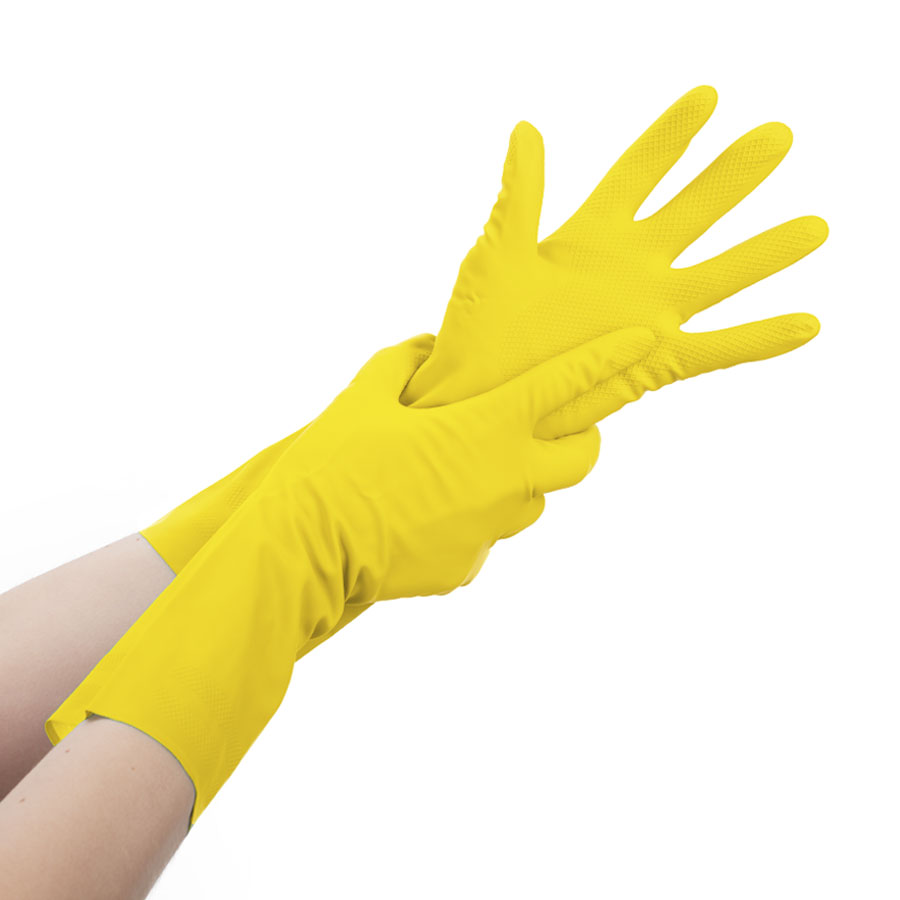

Content: 0.473 Litre (€69.66* / 1 Litre)
Accessories
Content: 0.01 Kilogram (€595.00* / 1 Kilogram)
Content: 0.5 Kilogram (€129.90* / 1 Kilogram)
Content: 14 Gram (€0.57* / 1 Gram)
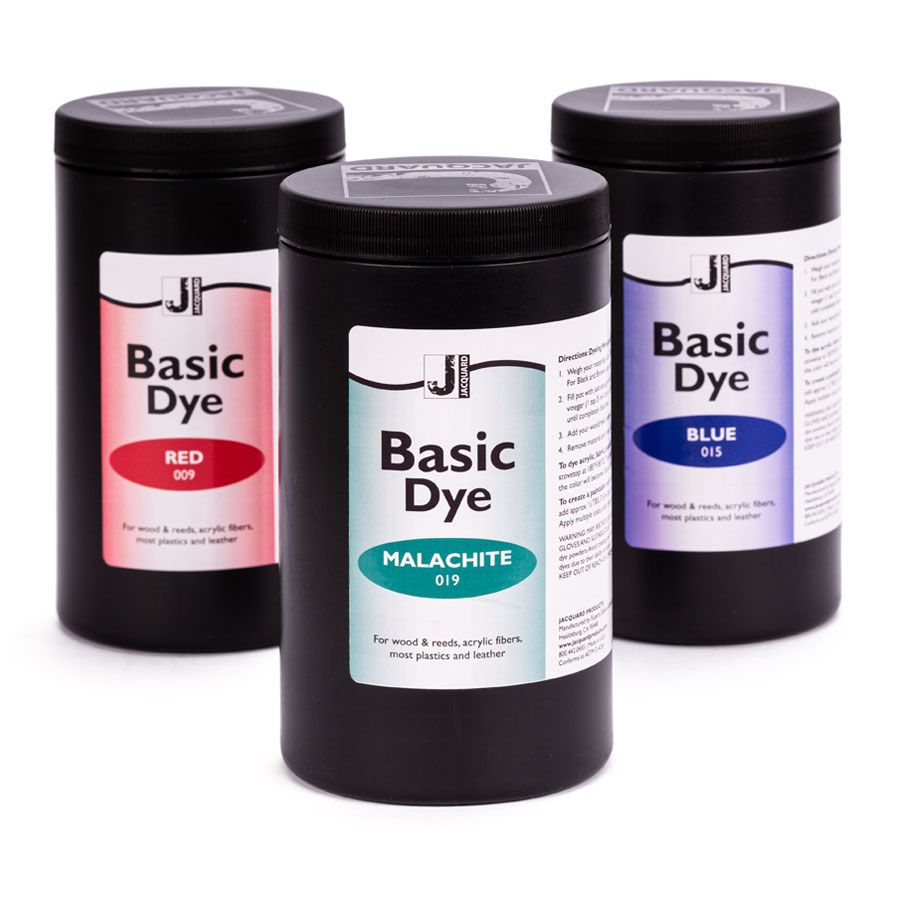
Content: 0.45 Kilogram (€222.11* / 1 Kilogram)
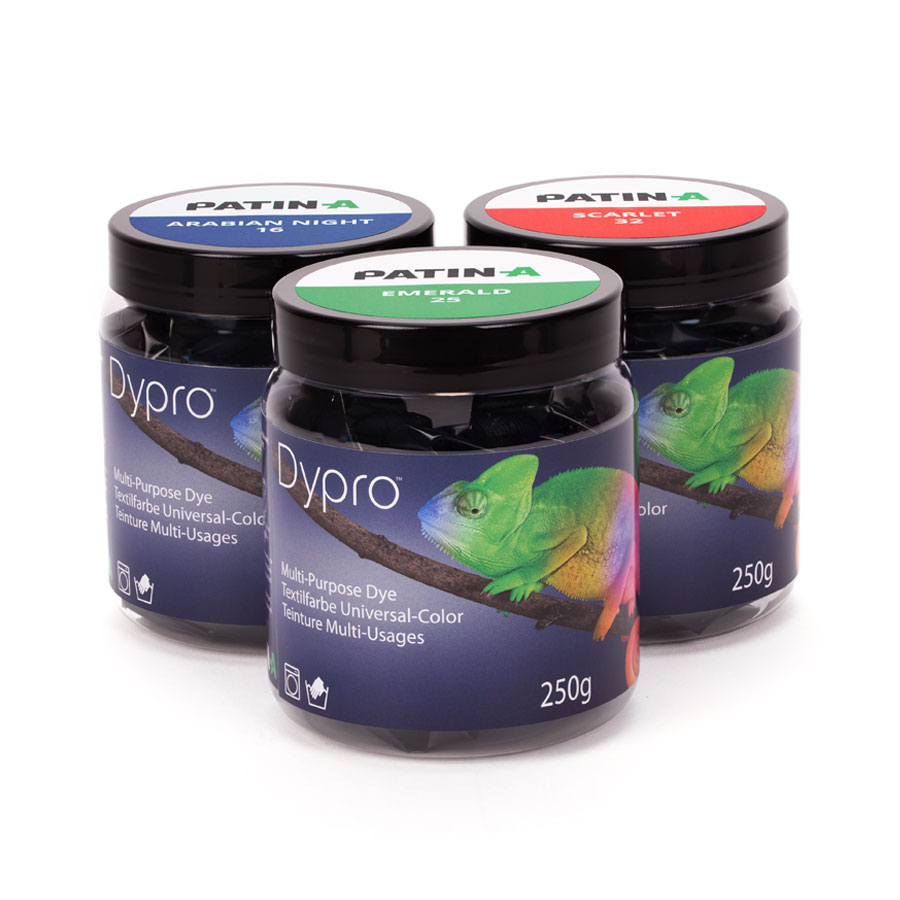
Content: 0.25 Kilogram (€171.80* / 1 Kilogram)
Customer Also Bought
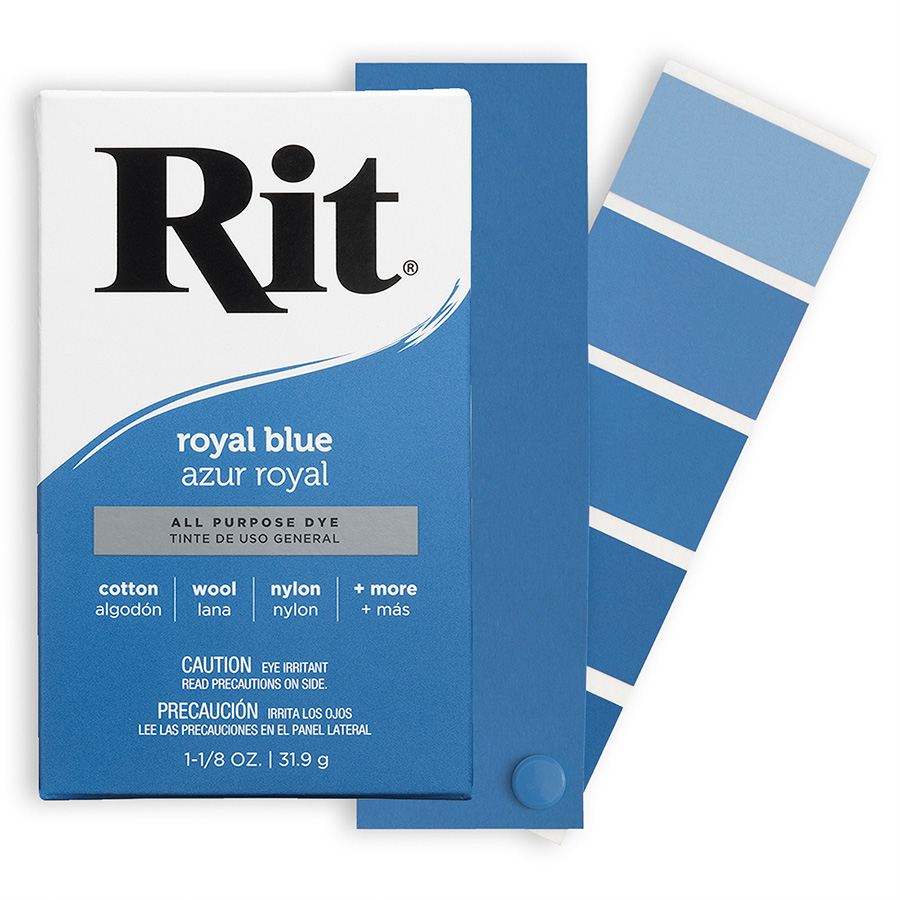
Content: 39.8 Gram (€0.11* / 1 Gram)
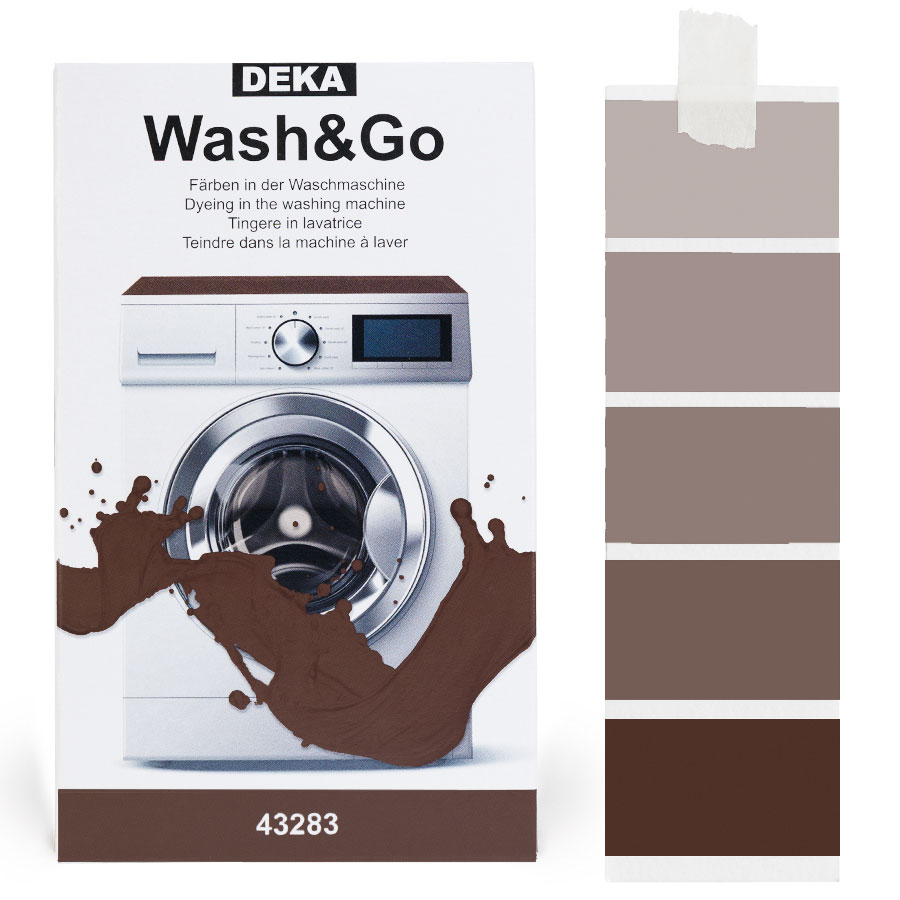
Content: 0.2 Kilogram (€39.75* / 1 Kilogram)
Content: 0.2 Kilogram (€39.75* / 1 Kilogram)
Content: 0.2 Kilogram (€39.75* / 1 Kilogram)
Content: 0.236 Litre (€84.53* / 1 Litre)
Content: 0.236 Litre (€84.53* / 1 Litre)
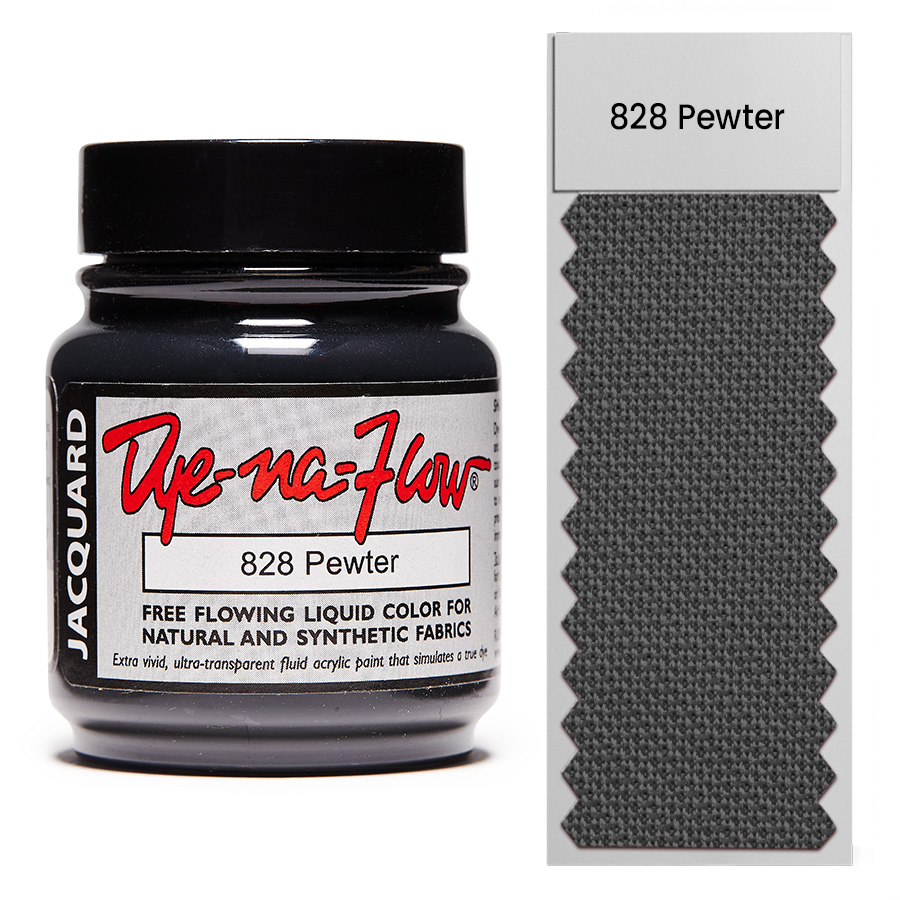
Content: 0.067 Litre (€103.73* / 1 Litre)
Content: 1000 Piece (€0.04* / 1 Piece)
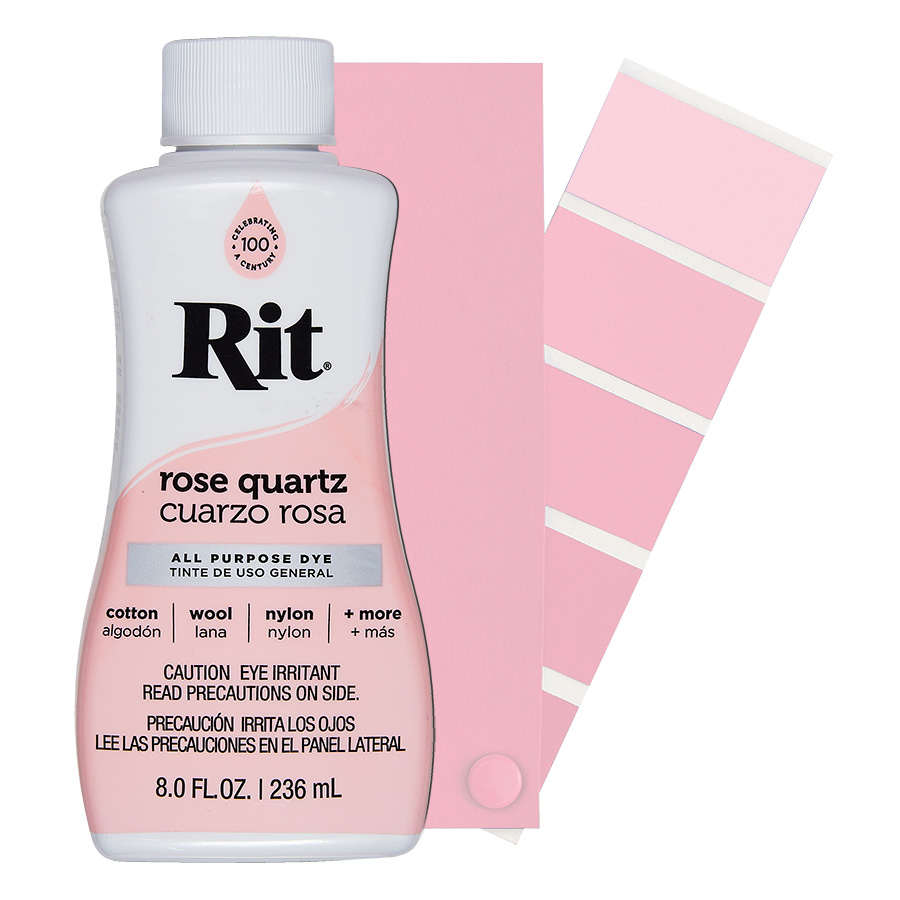
Content: 0.236 Litre (€29.45* / 1 Litre)
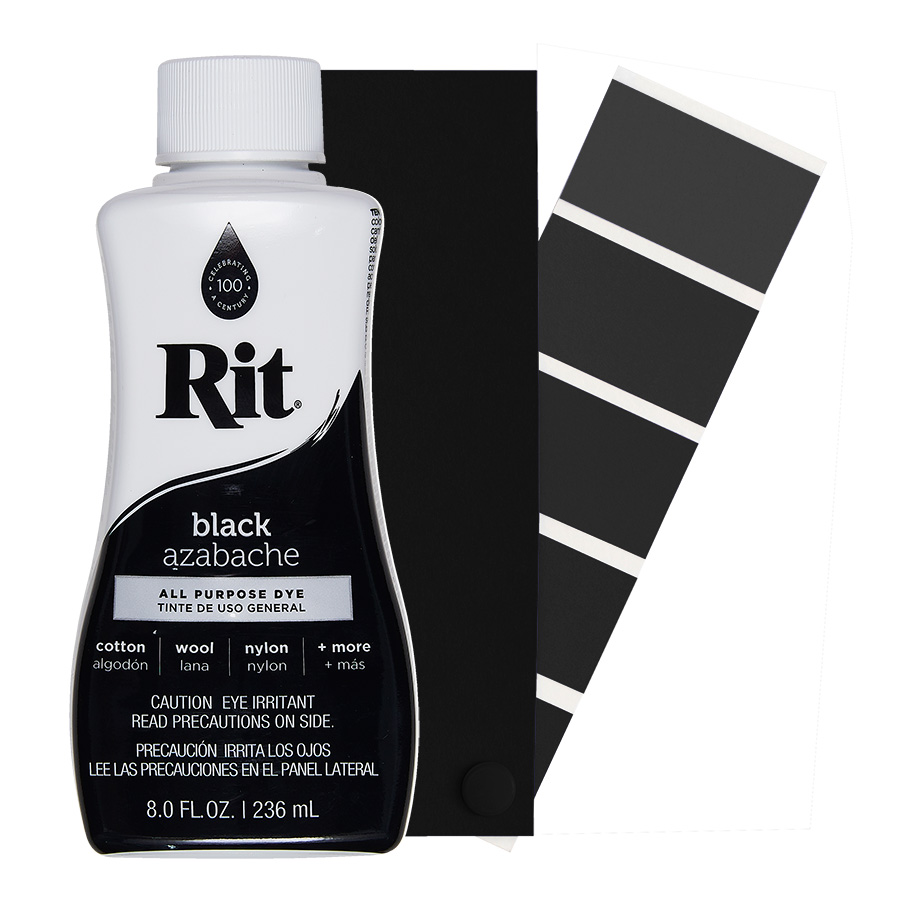
Content: 0.236 Litre (€29.45* / 1 Litre)