 We ship worldwide
 Top customer satisfaction!
 Many payment options

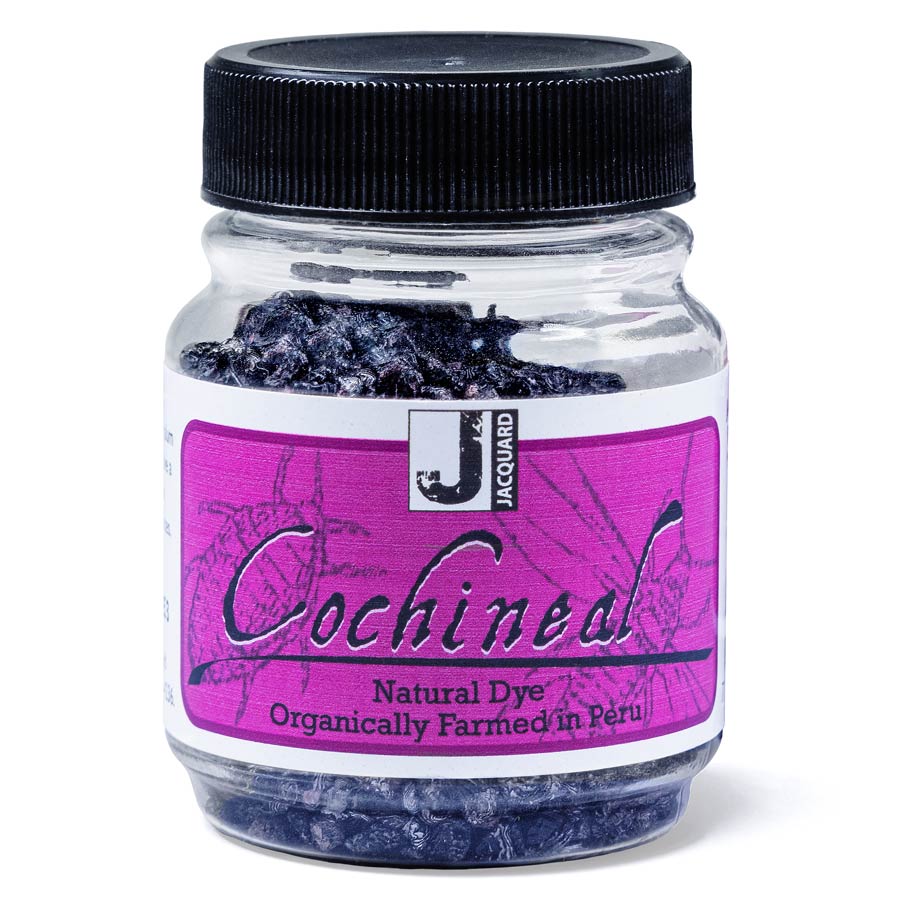
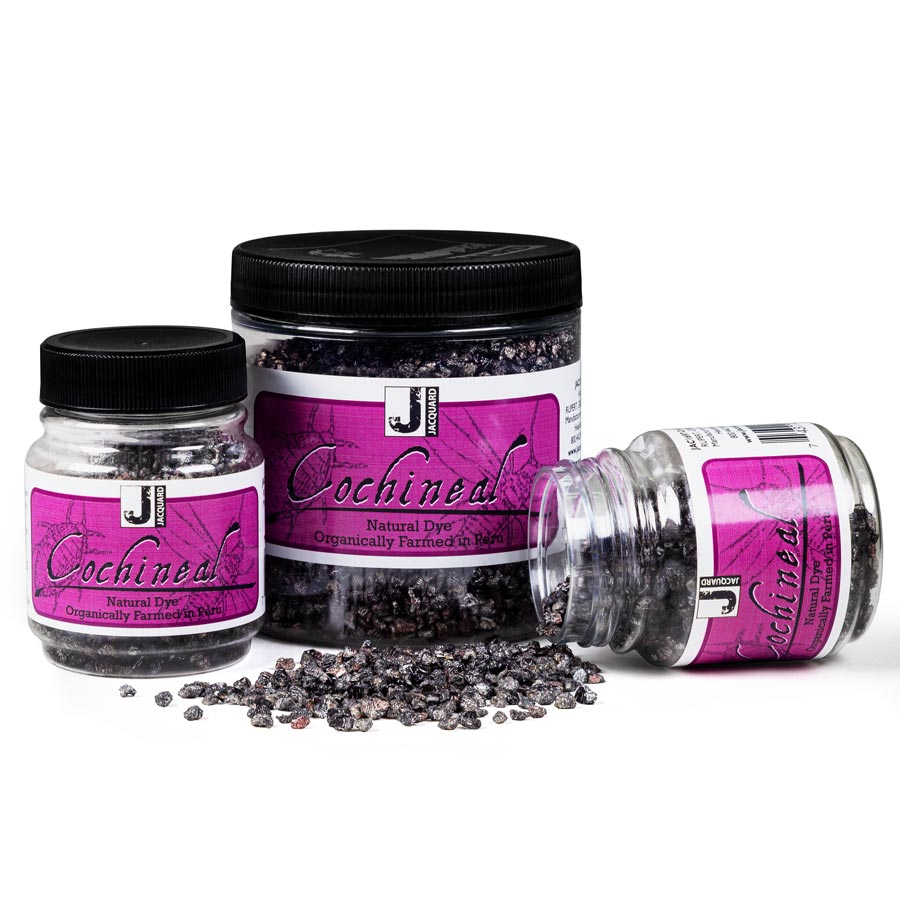

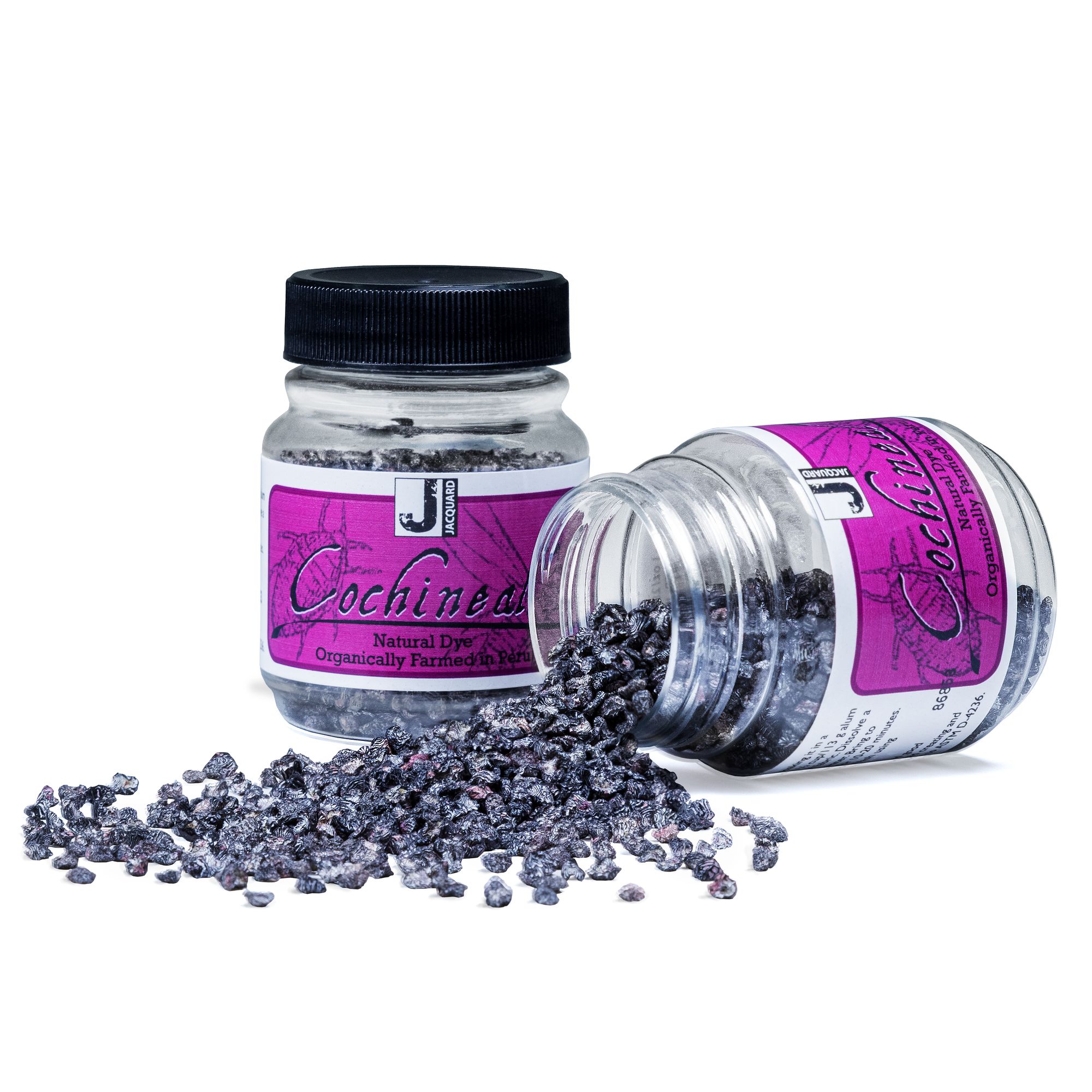
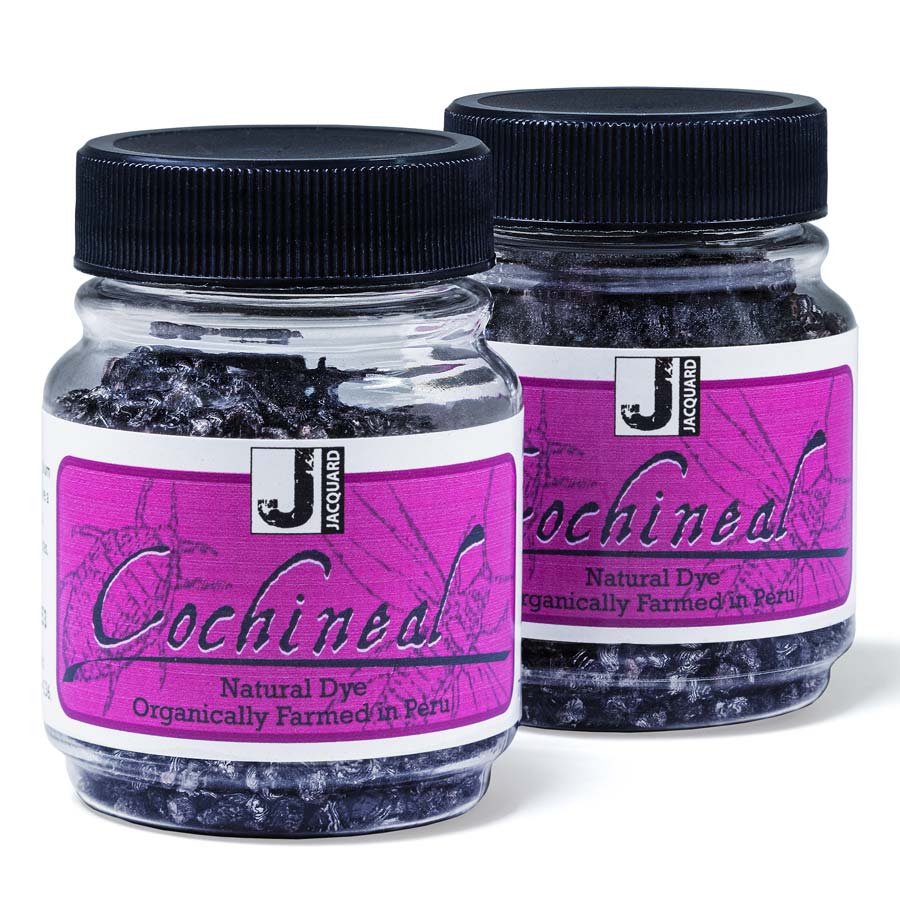
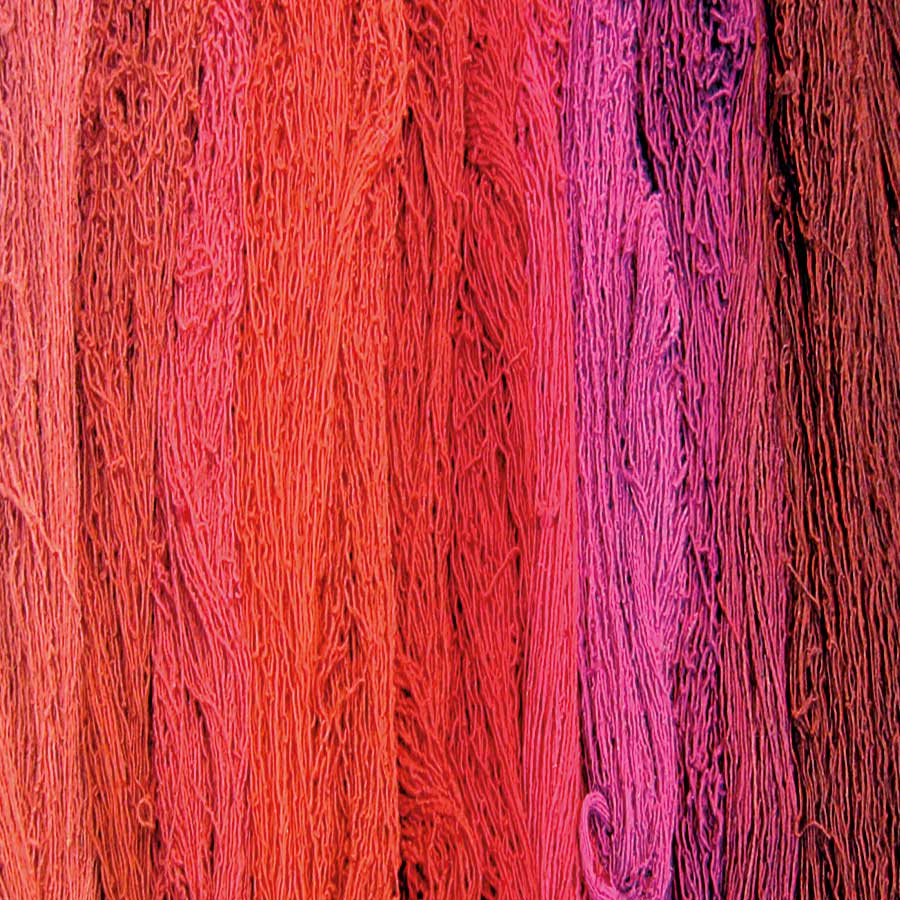
Cochineal Textile Dye - Natural Reds | 28.35g
Available, delivery time: 1-3 days
Jacquard Cochineal: red from nature, from scarlet to purple
Long before synthetic dyes existed, one red was especially precious: the red of cochineal.
It dyed royal robes, magnificent carpets and the fabrics of painters.
It is obtained from small scale insects that live on prickly pear cacti. Their pigment is called carminic acid.
Jacquard sources its Cochineal from a small, family-owned farm near Lima, Peru.
Depending on the mordant and additive, it produces bright red, scarlet, fuchsia, violet and purple.
For historical costumes, there is hardly anything more authentic.

At a glance
• 100 % natural dye as granules, 28 g or 113 g
• Red, scarlet, fuchsia, violet and purple
• Very good light and wash fastness
• For all natural fibres, especially intense on wool and silk
• With alum as mordant or like an acid dye
• Very economical, the dye bath can be used several times
Where does cochineal come from?
The colour comes from the bodies of female scale insects of the species Dactylopius coccus. They are bred on prickly pear cacti (nopal), which are native to Mexico and Central and South America. Cochineal is one of the oldest and most versatile dyes in the world.
Which materials can I dye?
All natural fibres: cotton, linen, hemp, canvas, viscose, silk and wool. Wool and silk turn out particularly well and intense. For plant fibres such as cotton, some dyers recommend a pre-treatment with tannin.
One shade, many reds
The exciting thing about cochineal: with small additions you shift the shade.
• Alum as mordant: clear, bright red
• Cream of tartar in the mordant: stronger red
• Iron: towards violet
• Vinegar or soda in the dye bath: further nuances between red and violet
It is best to make small test samples and note down the quantities.
What else do I need?
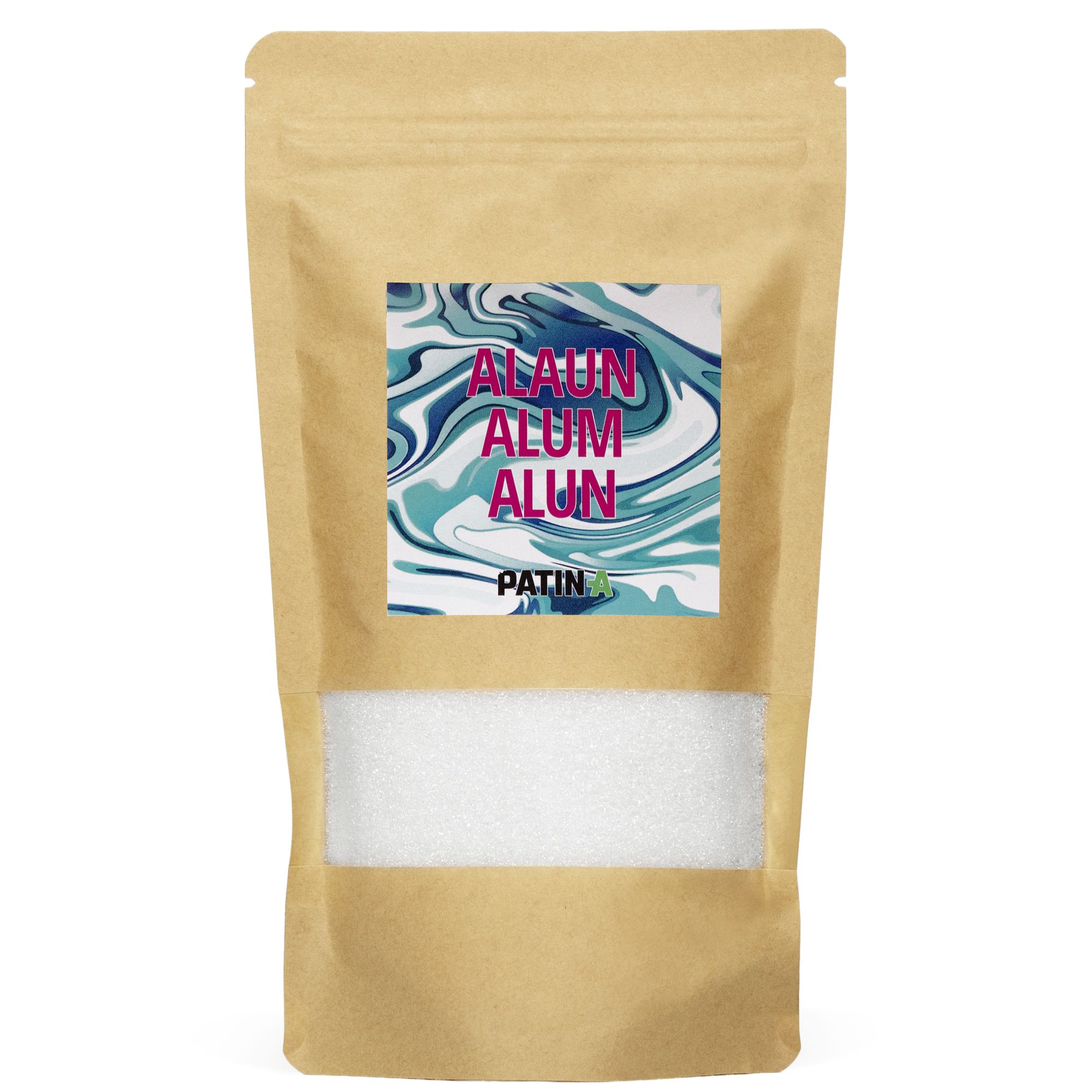
• Alum as mordant
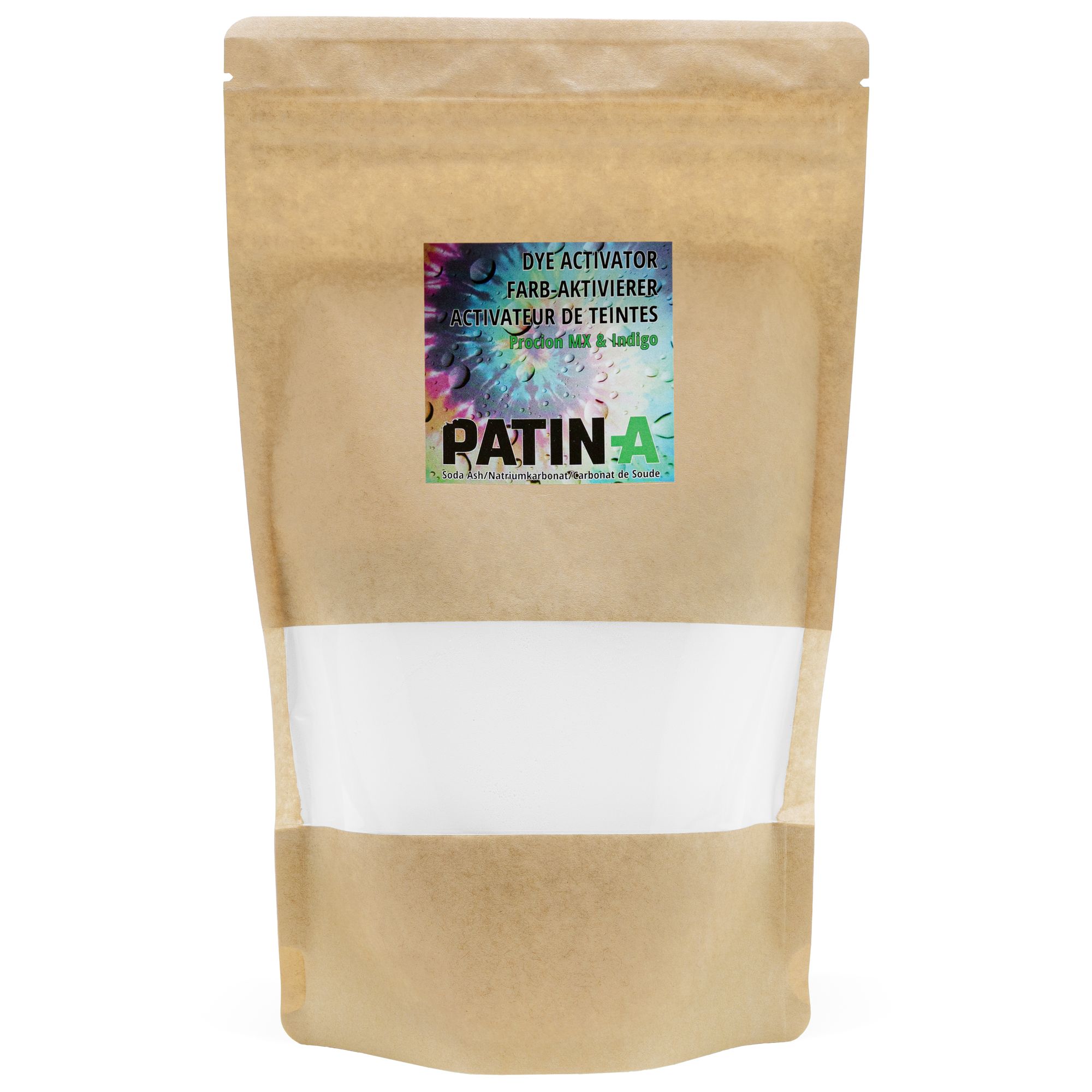
• Possibly cream of tartar, vinegar or soda (sodium carbonate) for other shades
• A large stainless steel pot
• A preserving jar or a measuring jug
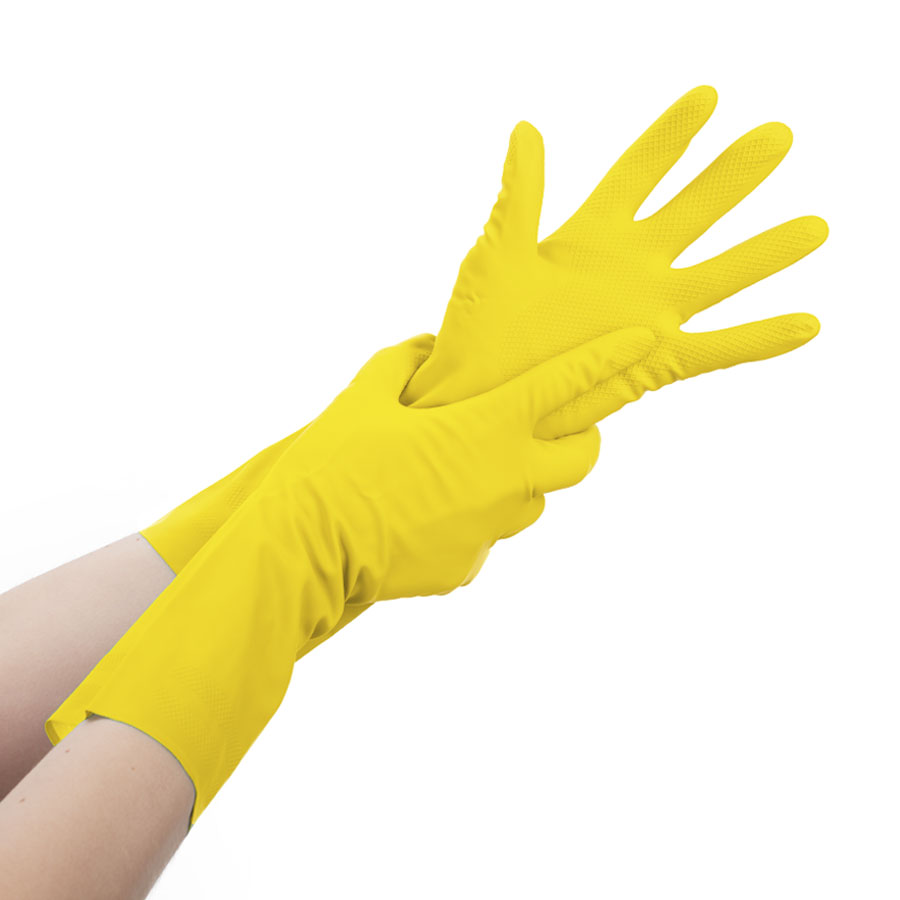
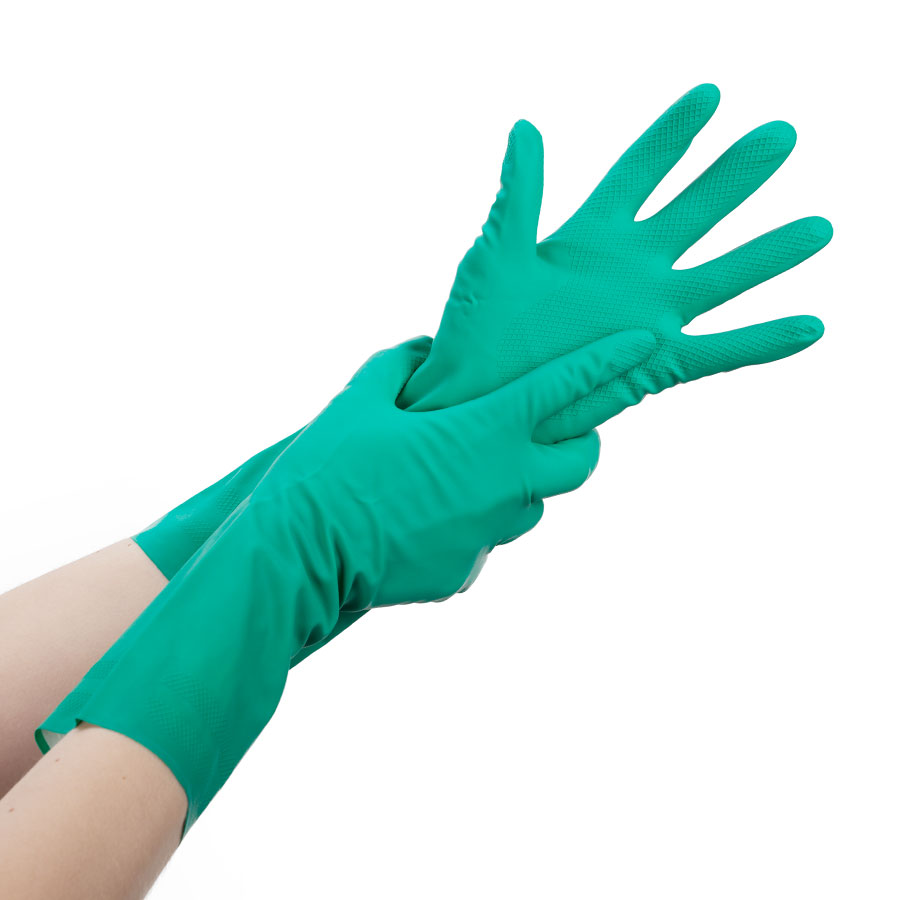
• Rubber gloves and a FFP2 fine dust mask
Instructions and FAQ
You can read step by step how to mordant, prepare the dye and dye in the “Dyeing instructions” tab. You will find answers to frequently asked questions in the “FAQ” tab.
🇺🇸 Made in USA
Jacquard Cochineal: Dyeing instructions
Important for wool and silk: Dye only in a pot and heat carefully to approx. 80 °C. Heat and cool slowly and move the fibres as little as possible, otherwise wool will felt.
How do I dye with Cochineal?
Preparation:
Preparing the cochineal dyeing is somewhat more involved than dyeing with a modern chemical textile dye. However, your dyeing result has incredible colour brilliance and is also 100% natural and organic.
You will need:
• Cochineal granules
• Alum
• possibly cream of tartar
• possibly vinegar (white vinegar or vinegar essence)
• possibly Soda
• a large stainless steel pot
• preserving jar or measuring jug for liquids
• Rubber gloves
• Dust mask
If you want to dye wool yarn (this applies to all yarns), wind your yarn into skeins if you have not already done so.
Tie the skeins together in several places so that they do not tangle in the dye bath. The yarn can then be placed in a bath of cold water to soak while the mordant solution is prepared.
Mordanting the fabrics:
We recommend mordanting the fibres with alum before dyeing, as it is a non-toxic mordant that is easy to work with. Alum also helps to develop clear, bright colours with natural dyes.
1. In a (dye) pot, dissolve 2 teaspoons of Alum
in 1 litre of water (120 grams of alum per 3 litres of water). Make sure the pot is stainless.
2. Optionally, you can add 1/2 teaspoon (20 g) of cream of tartar to brighten the colour and keep the wool soft. (It also turns the shade from a fuchsia-violet into an intense red.)
3. Stir well so that everything dissolves.
4. Add the fibres/garments to the dye pot and stir gently until the heat reaches approx. 80 °C (small bubbles should rise at the edges). Please avoid vigorous stirring, as the fibres would otherwise tangle or felt.
5. Hold this temperature for 45 minutes, stirring occasionally, and then let cool.
6. Remove the fibres from the dye pot, carefully drain off the excess liquid and let cool. You can also let the fibres cool overnight in the mordant bath. You can dye the fibres/textiles immediately or let them dry to dye later.
Tip: Wear gloves while working with alum. If you leave the fibres in the mordant overnight, make sure they are completely covered by the alum liquid.
Preparing the cochineal dye:
1. Grind the cochineal granules with a mortar or hand blender etc.
2. Bring the ground cochineal powder to the boil with 500 ml of water in a pot and let it boil for another 10 to 15 minutes (possibly add 1 teaspoon of cream of tartar).
3. Strain the coloured solution (e.g. into a glass bowl).
4. Leave the cochineal residue in the pot, add water and repeat step 2 until the cochineal powder no longer releases much colour. The process should be repeated about 3 to 4 times. Then discard the cochineal residue.
5. The bright red liquid is the dye bath. Pour the dye bath into the pot in which you want to dye.
Dyeing with cochineal:
1. Put the damp, mordanted yarn (or garment) into the dye bath and slowly bring the water to approx. 80 °C (if your mordanted yarn has dried, soak it in cold water before dyeing to dampen it).
2. Hold the temperature at a low level (approx. 80 °C) for at least 30 minutes up to one hour, stirring gently from time to time. If you see small bubbles at the edge of the pot, the dye bath is at the right temperature.
3. Turn off the heat and let the yarn cool in the dye liquor until it has reached the desired shade.
Rinsing:
1. Carefully remove the yarn from the dye bath and place it in a bath of clear water at about the same temperature as the dye bath. This is the first of several rinse baths needed to remove the excess dye from the yarn.
(The same temperature is very important, as textiles must never be “shocked” during the dyeing process)
2. Gently stir the yarn in the rinse bath to remove excess dye. But with wool, take care not to move it too much (risk of felting!).
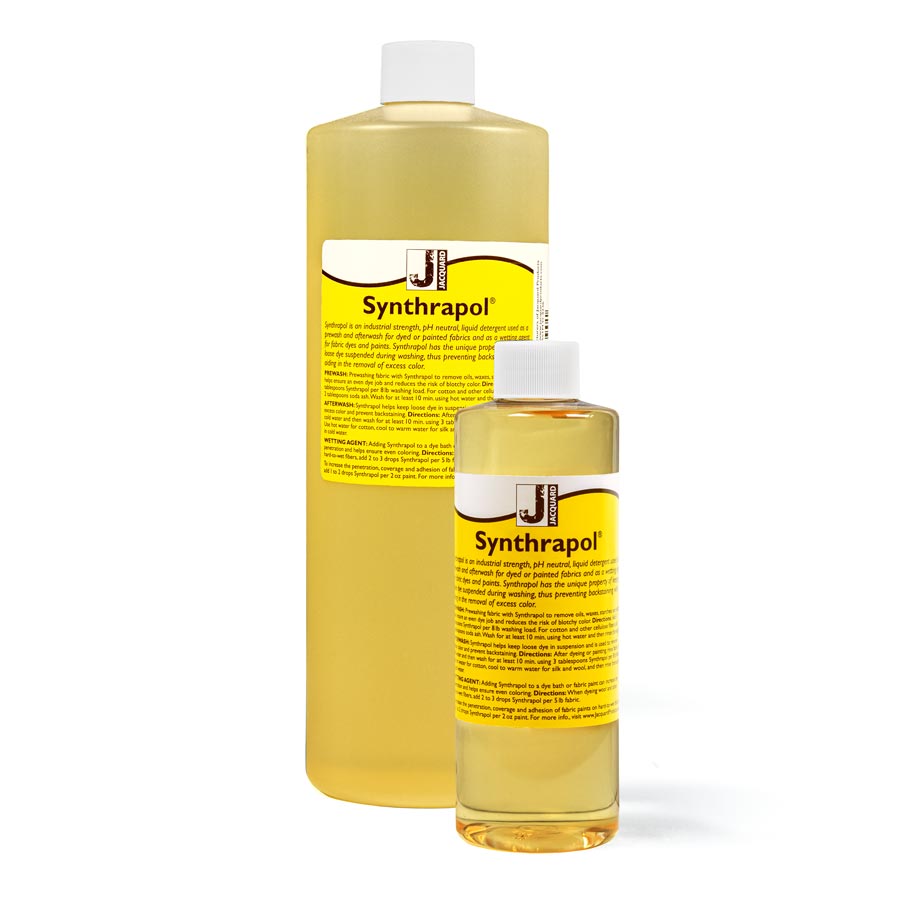
3. We recommend Synthrapolor another neutral detergent for pre- and after-treatment of the fabric to avoid unexpected colour changes.
Very important tips:
• You can add water to the dye liquor without reducing the colour strength. If you want to dye a large garment, for example, simply add some water.
• Do not pour away the dye liquor! You can keep the liquid in a preserving jar in the fridge for about a week (be sure to label and date it). Cochineal is a very strong dye and dyes large quantities of fibre. You can use it until the dye bath is pale pink.
• You can also keep the leftover mordant. Fill it into a labelled bucket or jar and add a further 1/2 teaspoon of alum so that the binding properties are fully effective again next time. Some dyers use their mordants up to 6 or 7 times. When the liquid becomes cloudy or flaky, it is time to dispose of the mordant.
• For cellulose fibres, some dyers recommend pre-treating the fabric with tannin (8%). Adding cream of tartar (6%) to the mordant solution shifts the resulting colours towards a stronger red. Adding iron (2-4%) shifts the colour towards violet.
• Cochineal reacts to pH fluctuations. The rich carmine red can be turned into orange by adding an acid (vinegar or citric acid). Adding alkali (soda) turns the colour into a deep fuchsia. Use Synthrapolor another neutral detergent for pre- and after-treatment of the fabric to avoid unexpected colour changes.
Good luck with your wonderful red dyeings.
Contents: 28g / 113g
Jacquard Cochineal: Frequently asked questions
Is cochineal really natural?
Yes. The dye carminic acid comes from scale insects that live on prickly pear cacti. Jacquard Cochineal comes from a small organic farm in Peru.
Do I have to mordant?
For bright and durable colours, yes. The usual mordant is alum. On wool and silk, you can also use cochineal like an acid dye with vinegar.
How do I get violet or purple?
With additions. Iron shifts the colour towards violet, cream of tartar towards a strong red. Vinegar and soda also change the shade. Make small test samples and note down the quantities.
How hot may I dye wool and silk?
Only in a pot and carefully at approx. 80 °C. Heat slowly, move little and let cool slowly.
Can I reuse the dye bath?
Yes. Cochineal is very economical. Keep the dye bath labelled in the fridge for about a week and dye until it is only pale pink.
Is there a simpler alternative for bright red on wool?
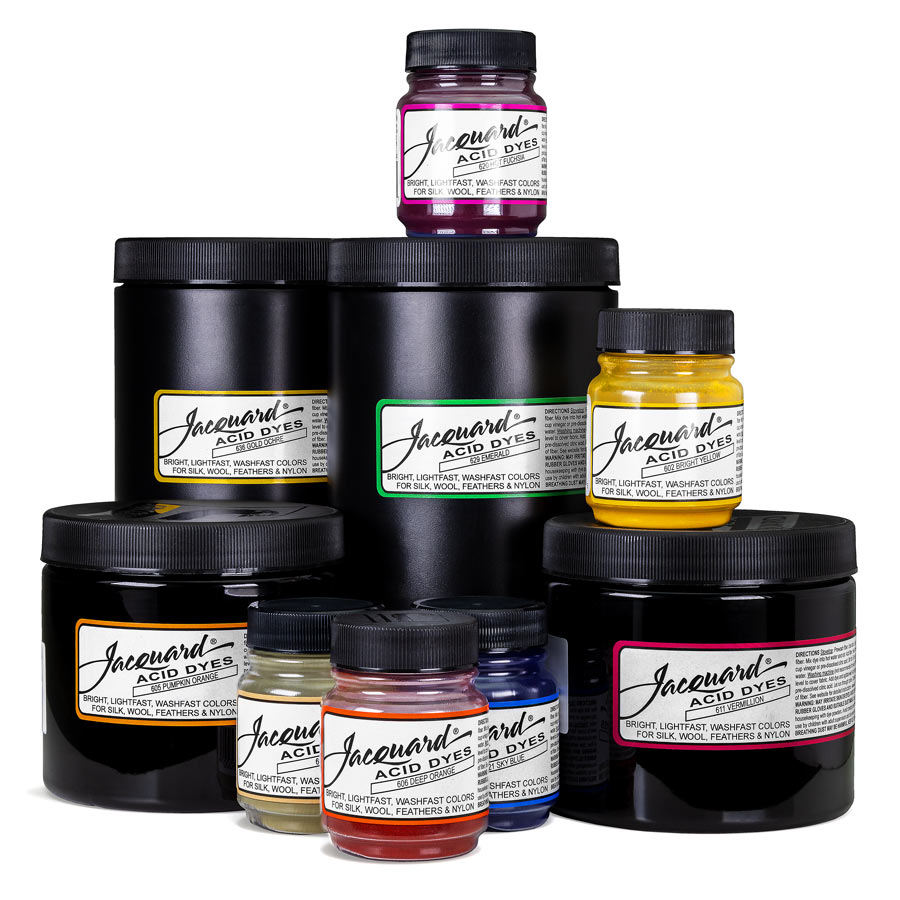
Yes, Jacquard Acid Dye. It is faster, but cochineal is natural and historically authentic.
Manufacturer:
Jacquard Products | Rupert, Gibbon & Spider, Inc.
1147 Healdsburg Ave.
Healdsburg, CA 95448
USA
service@jacquardproducts.com
Responsible person in the EU (importer):
ART SELECT GmbH & Co. KG
Schützenstraße 22
21407 Deutsch Evern
Germany
vertrieb@artselect.de
Login
Accessories
Content: 0.5 Kilogram (€16.90* / 1 Kilogram)
Content: 0.5 Kilogram (€5.90* / 1 Kilogram)
Content: 0.234 Litre (€55.34* / 1 Litre)
Similar Products
Content: 0.014 Kilogram (€417.86* / 1 Kilogram)
Content: 0.014 Kilogram (€532.14* / 1 Kilogram)
Content: 0.01 Kilogram (€295.00* / 1 Kilogram)
Content: 0.023 Kilogram (€345.65* / 1 Kilogram)
Customer Also Bought
Content: 0.118 Litre (€186.02* / 1 Litre)
Content: 0.01 Kilogram (€295.00* / 1 Kilogram)
Content: 0.01 Kilogram (€295.00* / 1 Kilogram)
Content: 0.0398 Kilogram (€111.81* / 1 Kilogram)
Content: 0.014 Kilogram (€417.86* / 1 Kilogram)
Content: 0.014 Kilogram (€417.86* / 1 Kilogram)
Content: 0.236 Litre (€29.45* / 1 Litre)
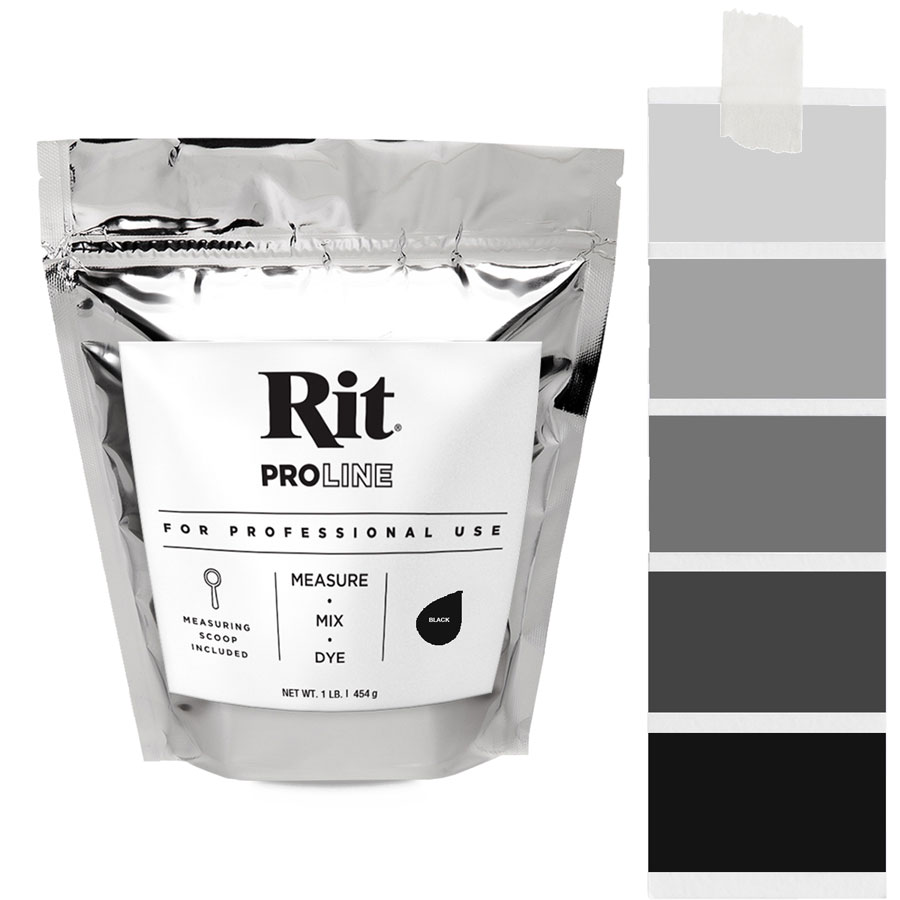
Content: 0.454 Kilogram (€110.02* / 1 Kilogram)