 We ship worldwide
 Top customer satisfaction!
 Many payment options

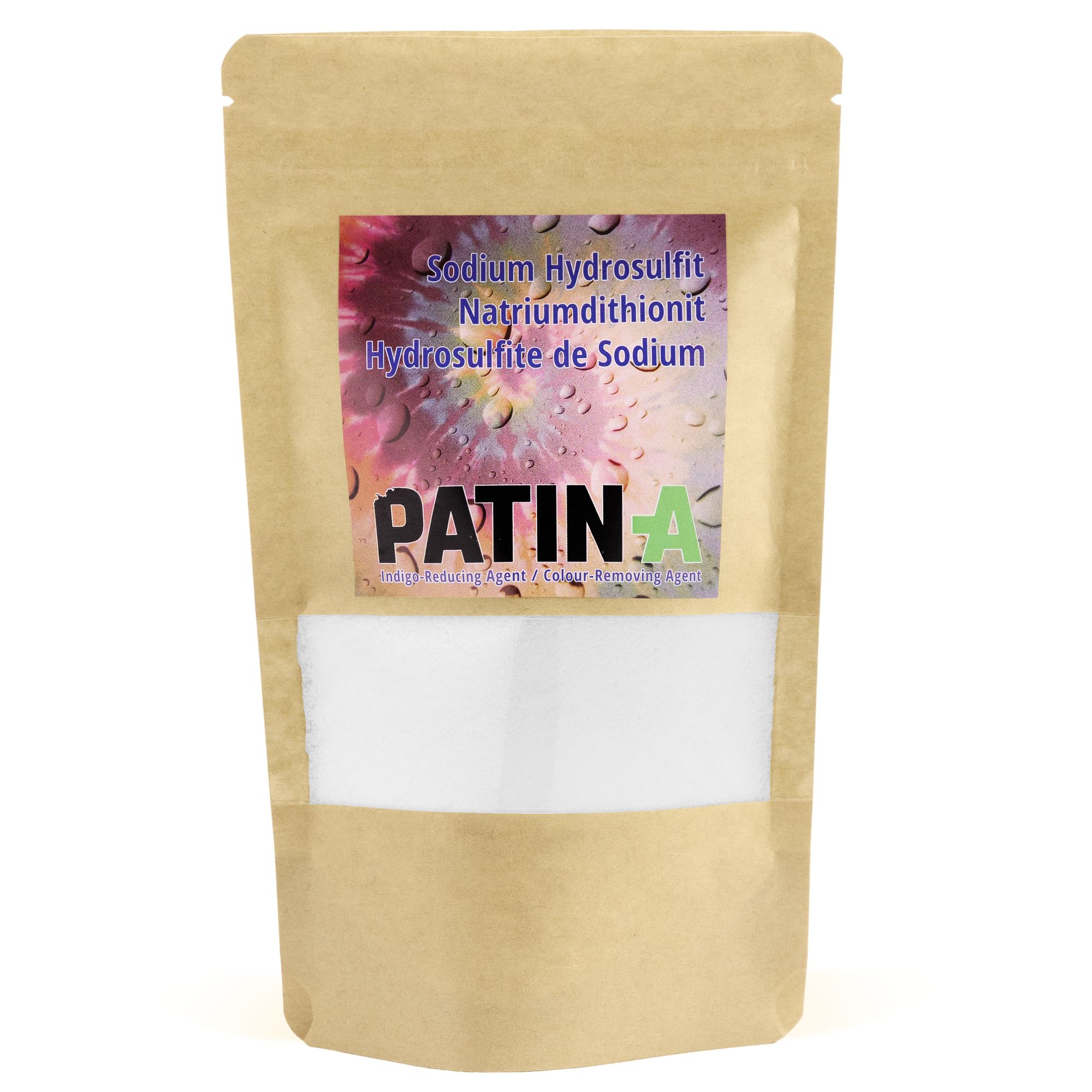
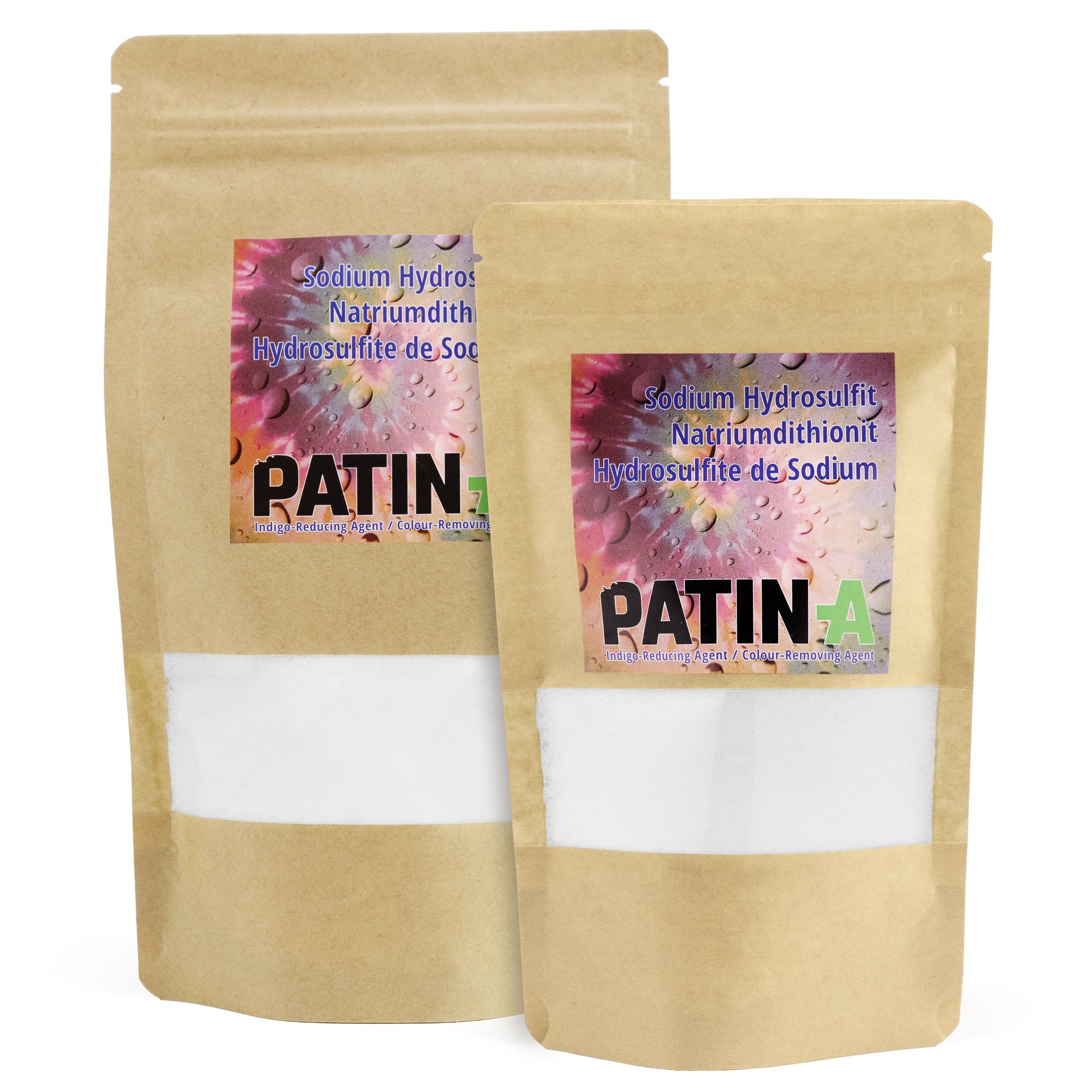
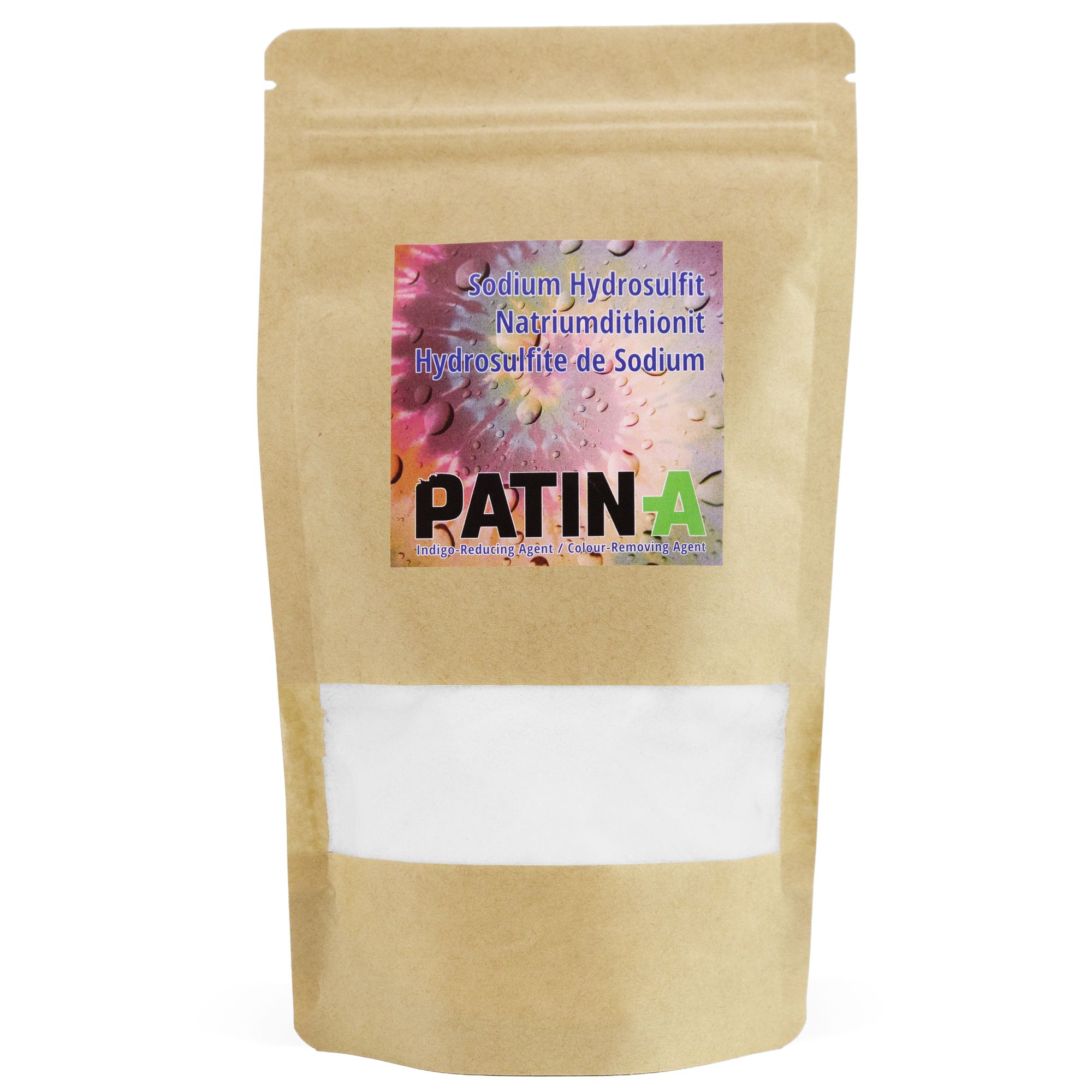
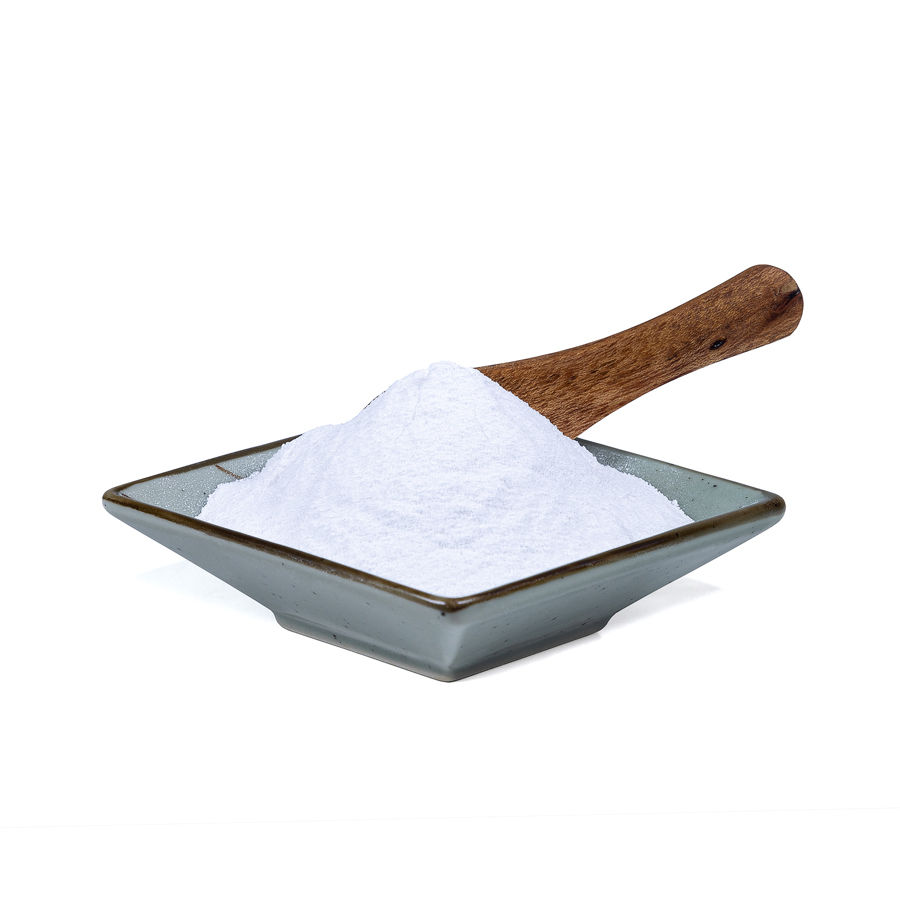
Sodium Hydrosulfite - Sodium Dithionite | 250gr
Available, delivery time: 1-3 days
Sodium Hydrosulfite: dyeing indigo and removing colour from fabrics
Indigo is a wilful dye. It does not dissolve in water and first has to be brought into a soluble form. Sodium Hydrosulfite, also called sodium dithionite, takes care of that.
In the vat the fabric first turns yellow-green. Only in the air does it change to the typical jeans blue, a moment that delights every dyer every single time.
The same powder is also a powerful reducing agent for colour removal, entirely without chlorine.
At a glance
• Sodium dithionite (sodium hydrosulfite), 250 g or 500 g
• Reducing agent for the indigo vat and for woad
• Refreshes an exhausted vat
• Removes colour from textiles together with PATIN-A Soda
• Chlorine-free
For indigo
The mixing ratio: 1 part pre-reduced indigo, 2 parts Sodium Hydrosulfite, 4 parts PATIN-A Soda. Calculate 4 litres of water per 20 g dye.
For colour removal
Mix Sodium Hydrosulfite and soda in equal parts. You need 3 to 5 g Sodium Hydrosulfite per 100 g fabric. Colour is removed in hot water of 85 to 95 °C. Not every dye can be removed, so test on a hidden spot beforehand if possible.
Storage
Store Sodium Hydrosulfite dry, cool and tightly closed, away from acids. The powder must not come into contact with water or moisture before you use it.
Goes well with
• PATIN-A Soda
• Bleach-Stop, if you do work with chlorine bleach after all
The instructions are in the "Instructions" tab, answers to frequent questions in the "FAQ" tab.
Instructions
Explained step by step: Sodium hydrosulphite instructions
Contents
• 250 g or 500 g Sodium Hydrosulfite, depending on the variant
Hazard information


Danger. Self-heating; may catch fire. Harmful if swallowed. Contact with acids liberates toxic gas.
Keep cool. Wash hands thoroughly after handling. Wear protective gloves and eye/face protection. Keep air gap between stacks or pallets. Store bulk masses greater than 0.5 kg at temperatures not exceeding 50 °C. Store separately.
This information is based on the safety data sheet. Always read the label and product information before use.
Sales unit: 1 pack
Sodium Hydrosulfite: Instructions
Removing colour from fabrics
Per 100 g fabric (dry weight) you need 3 to 5 g sodium hydrosulfite and the same amount of soda, so for 1 kg fabric 30 to 50 g of each.
1. Heat enough water for the fabric to float freely to 85 °C.
2. Dissolve soda and sodium hydrosulfite in it.
3. Add the wet fabric and continue heating to up to 95 °C.
4. Move the fabric for 10 to 20 minutes until the colour has come out as desired.
5. Then wash the fabric with mild detergent in cold water.
Indigo vat
1 part pre-reduced indigo, 2 parts sodium hydrosulfite, 4 parts soda, 4 litres of water per 20 g dye. You will find the exact instructions with Indigo Textile Dye. If the vat weakens, refresh it with a little sodium hydrosulfite.
Work in a well-ventilated room, wear protective gloves and eye protection and keep acids away.
Good luck!
Sodium Hydrosulfite: Frequently asked questions
Is sodium hydrosulfite the same as sodium dithionite?
Yes, they are two names for the same substance.
Why does my fabric turn yellow-green in the vat?
That is correct. The dissolved indigo is yellow-green and only turns blue in the air.
Can I remove colour from wool with it?
The high temperature can felt wool. Test carefully and move wool only a little.
Why must it not get wet?
Sodium hydrosulfite is self-heating and decomposes with moisture. So store it dry and tightly closed.
Manufacturer:
PATIN-A SHOP GmbH
Rudolfstraße 1-8
10245 Berlin
Germany
support@patin-a.de
Login
Accessories
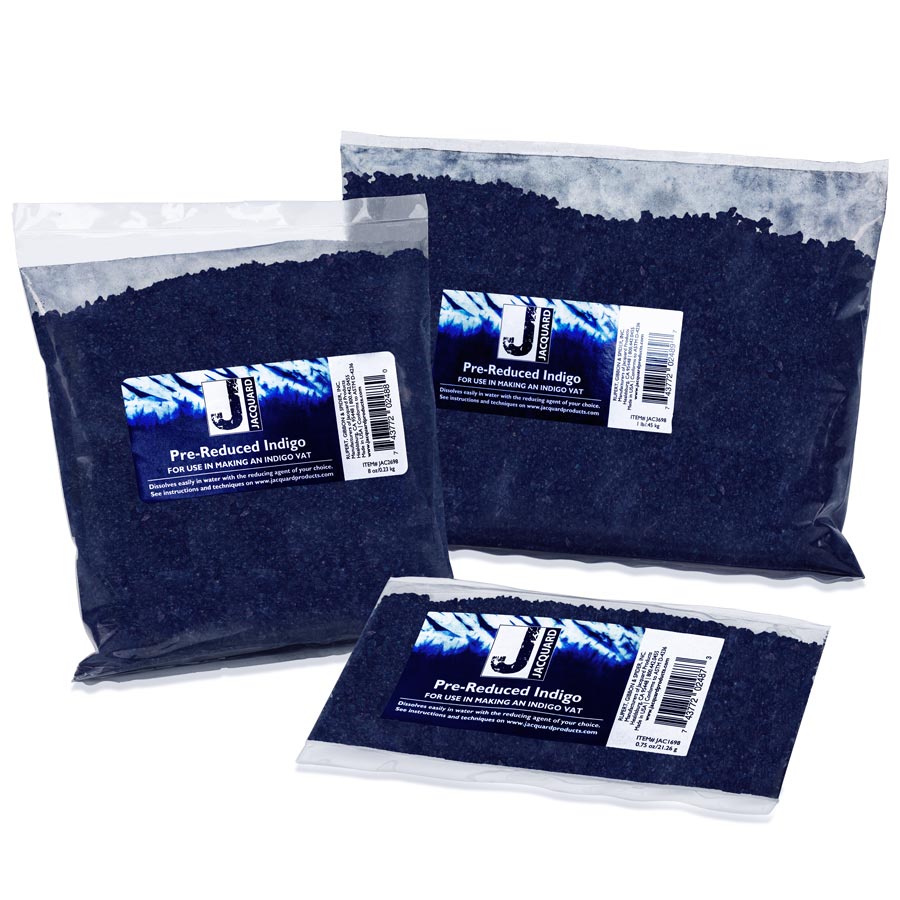
Content: 0.023 Kilogram (€345.65* / 1 Kilogram)
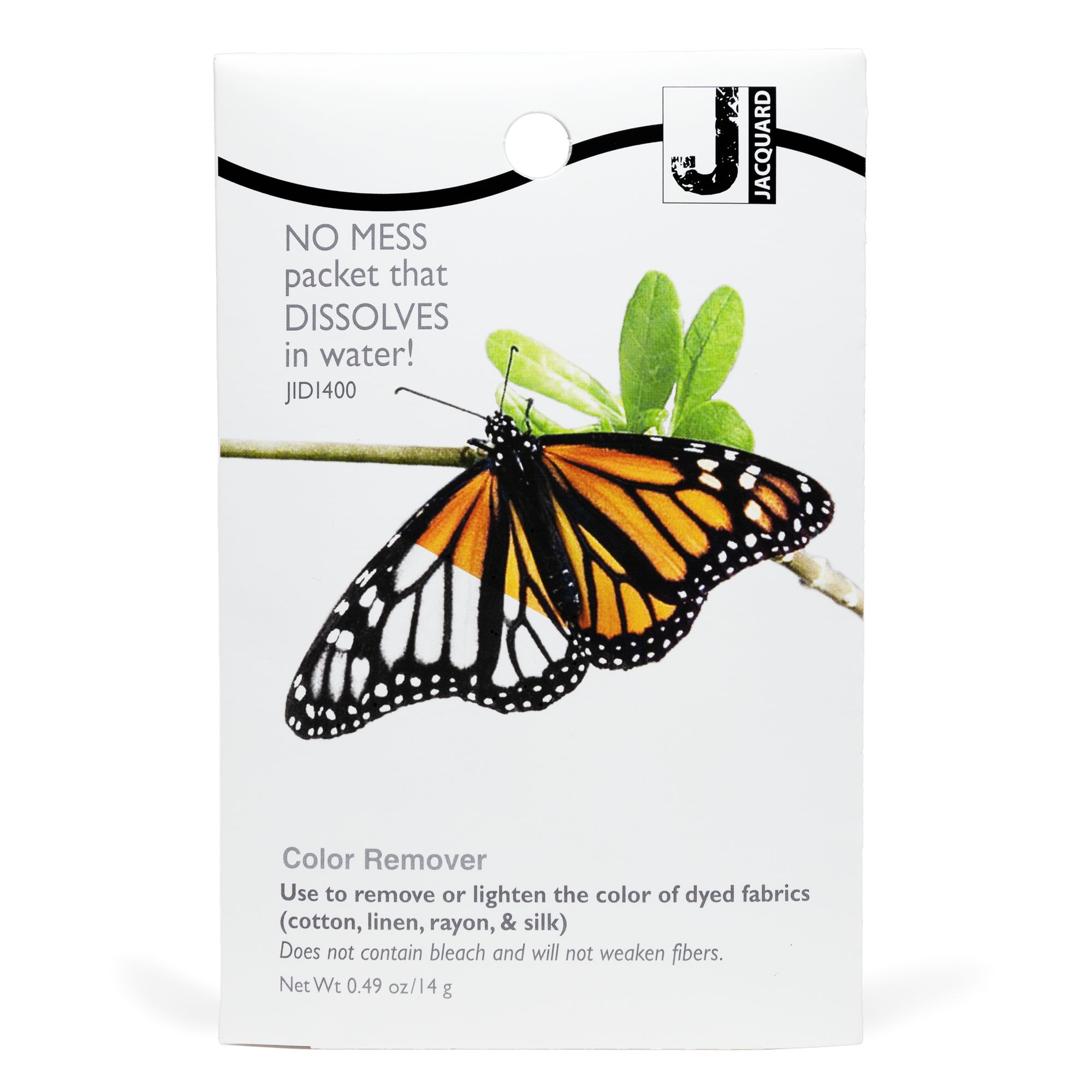
Content: 0.014 Kilogram (€710.71* / 1 Kilogram)
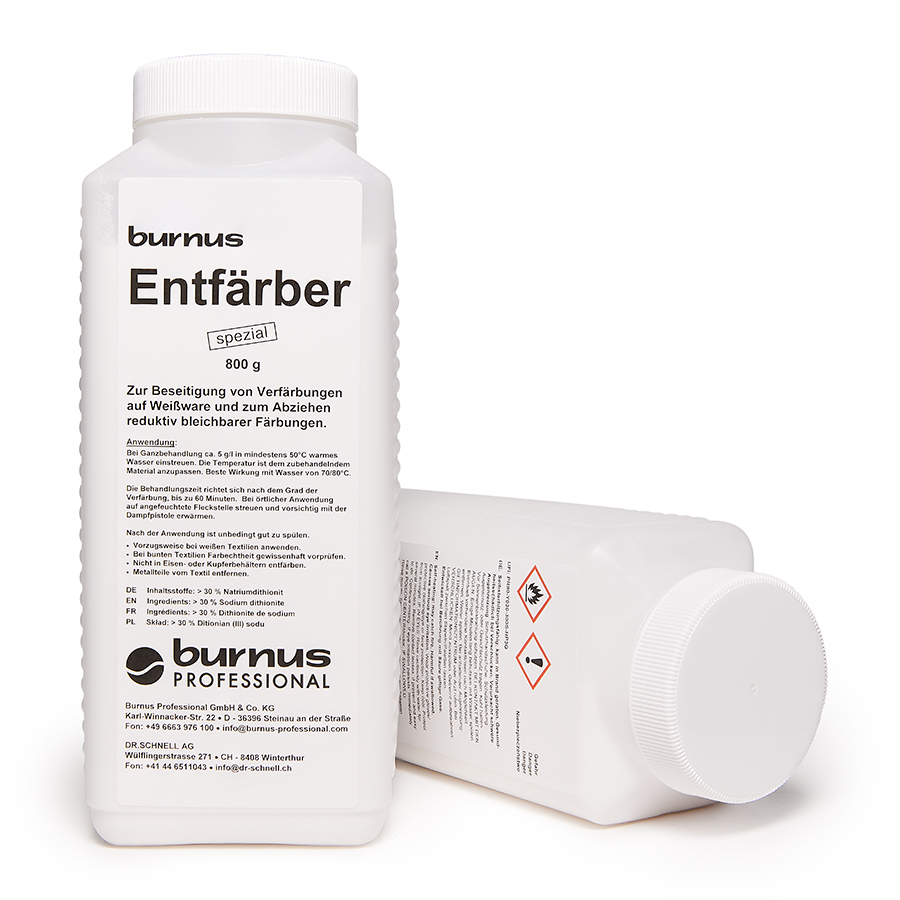
Content: 0.8 Kilogram (€34.94* / 1 Kilogram)
Similar Products
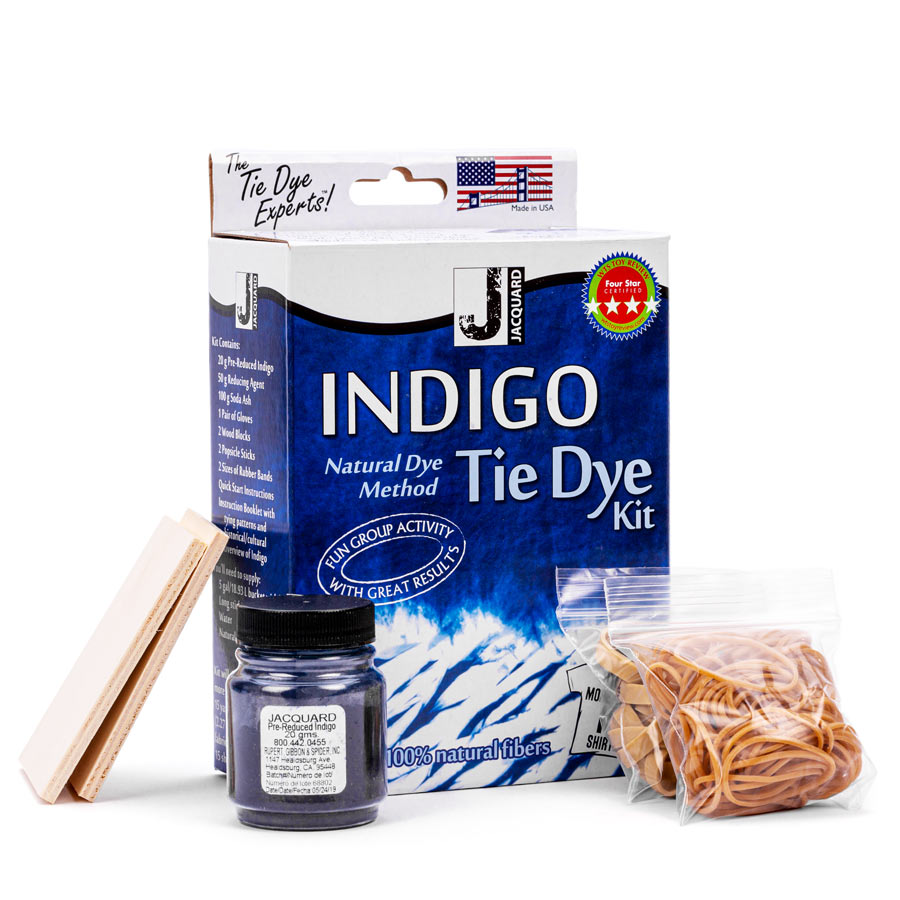
Content: 0.023 Kilogram (€345.65* / 1 Kilogram)
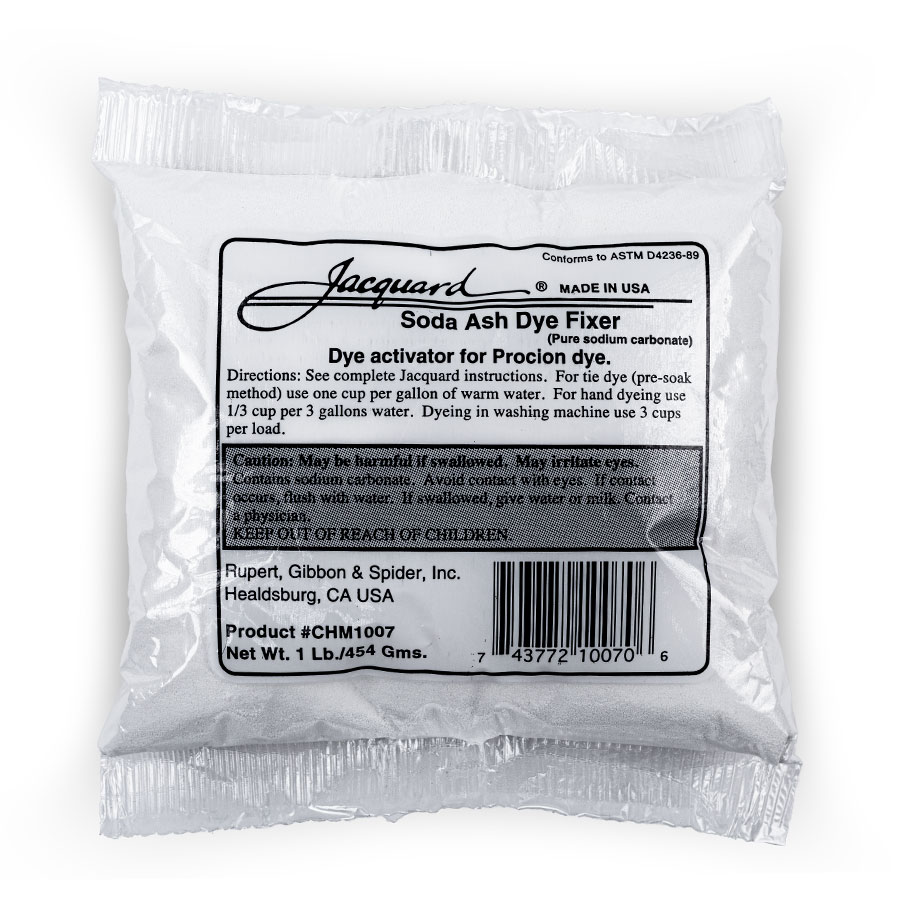
Content: 0.45 Kilogram (€15.44* / 1 Kilogram)
Customer Also Bought
Content: 0.118 Litre (€186.02* / 1 Litre)
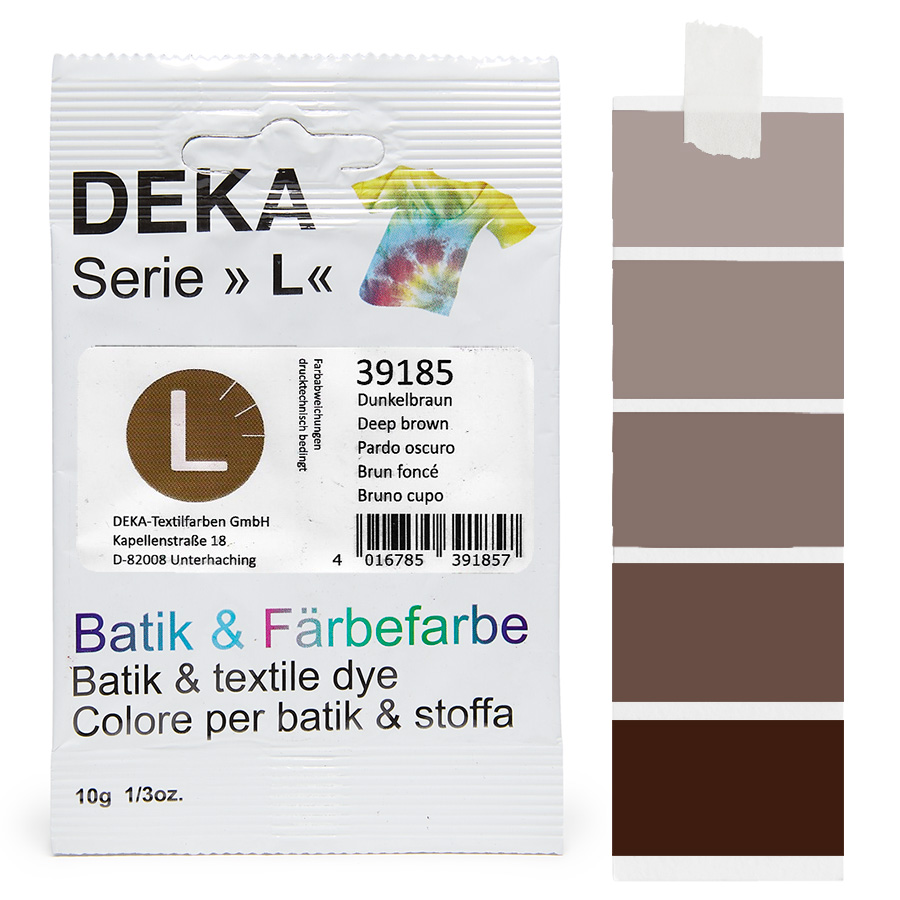
Content: 0.01 Kilogram (€295.00* / 1 Kilogram)
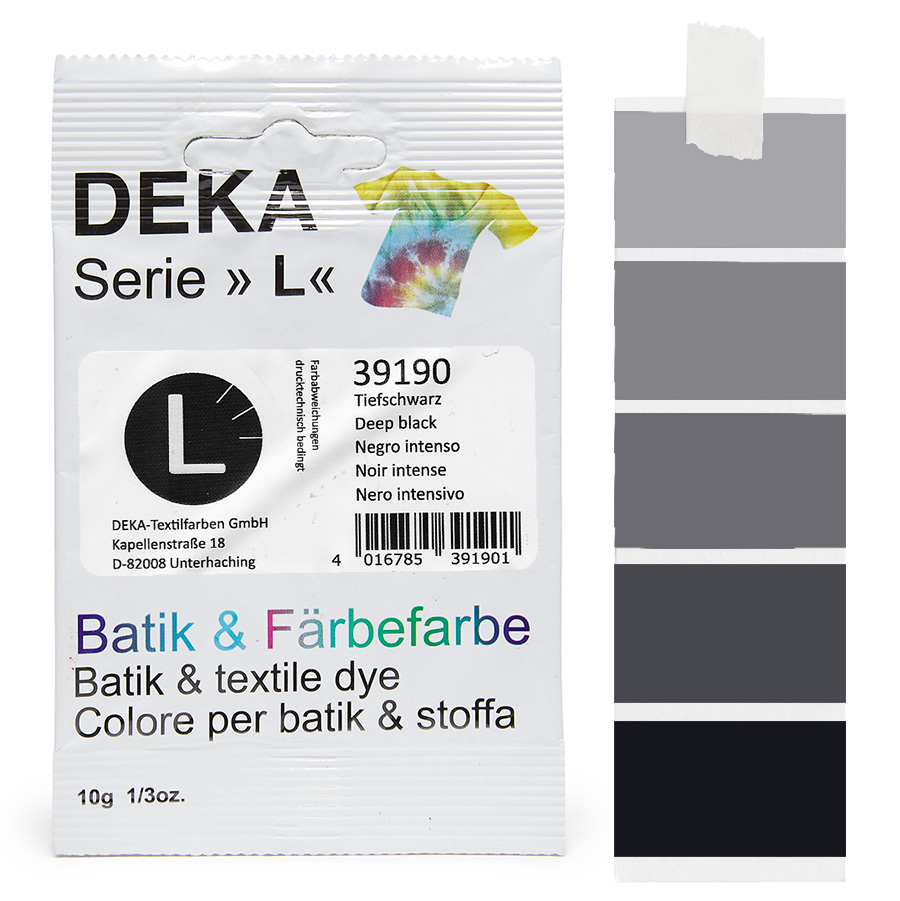
Content: 0.01 Kilogram (€295.00* / 1 Kilogram)
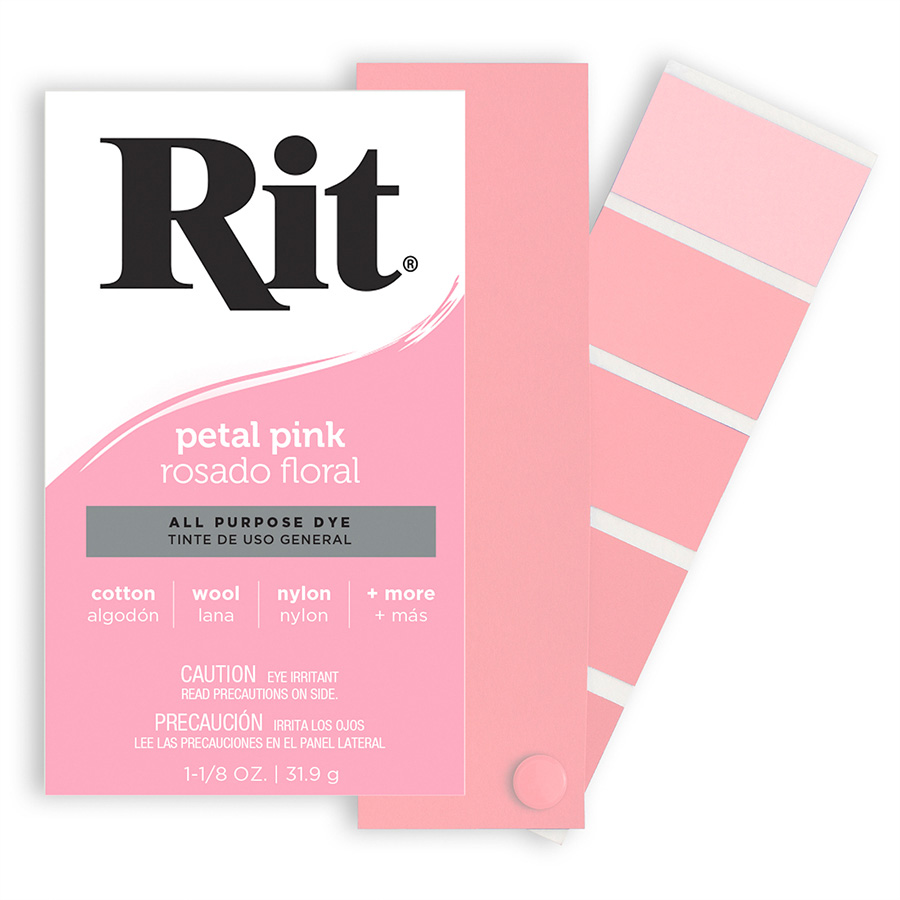
Content: 0.0398 Kilogram (€111.81* / 1 Kilogram)
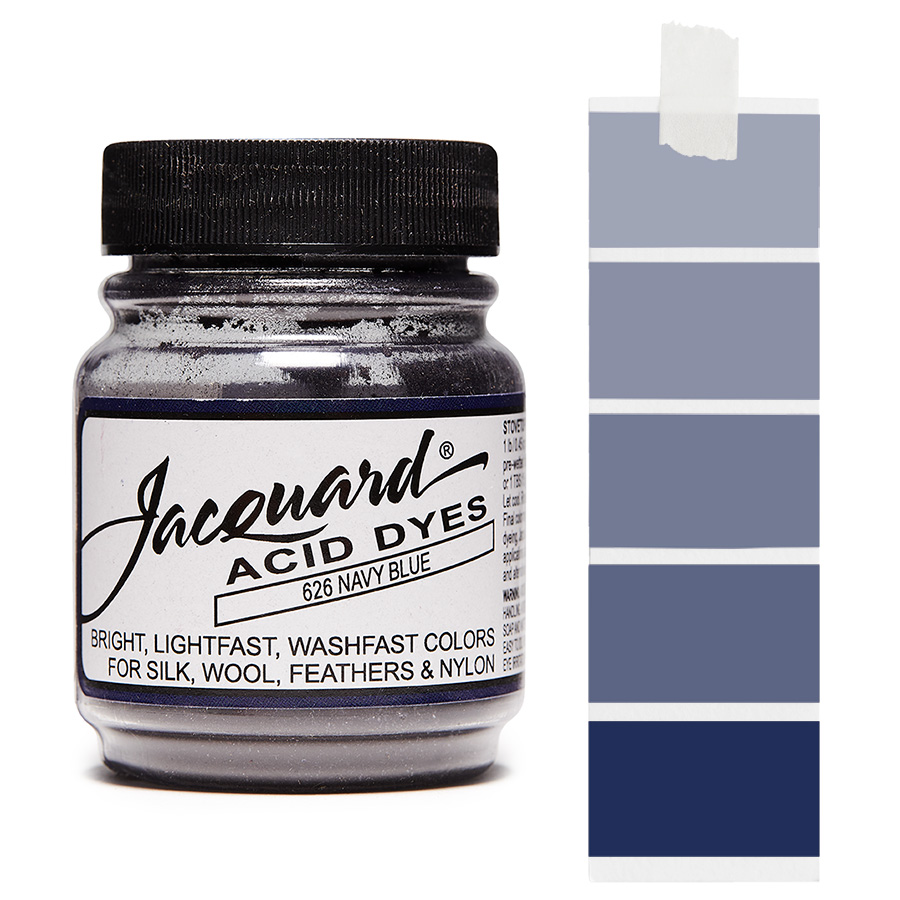
Content: 0.014 Kilogram (€417.86* / 1 Kilogram)
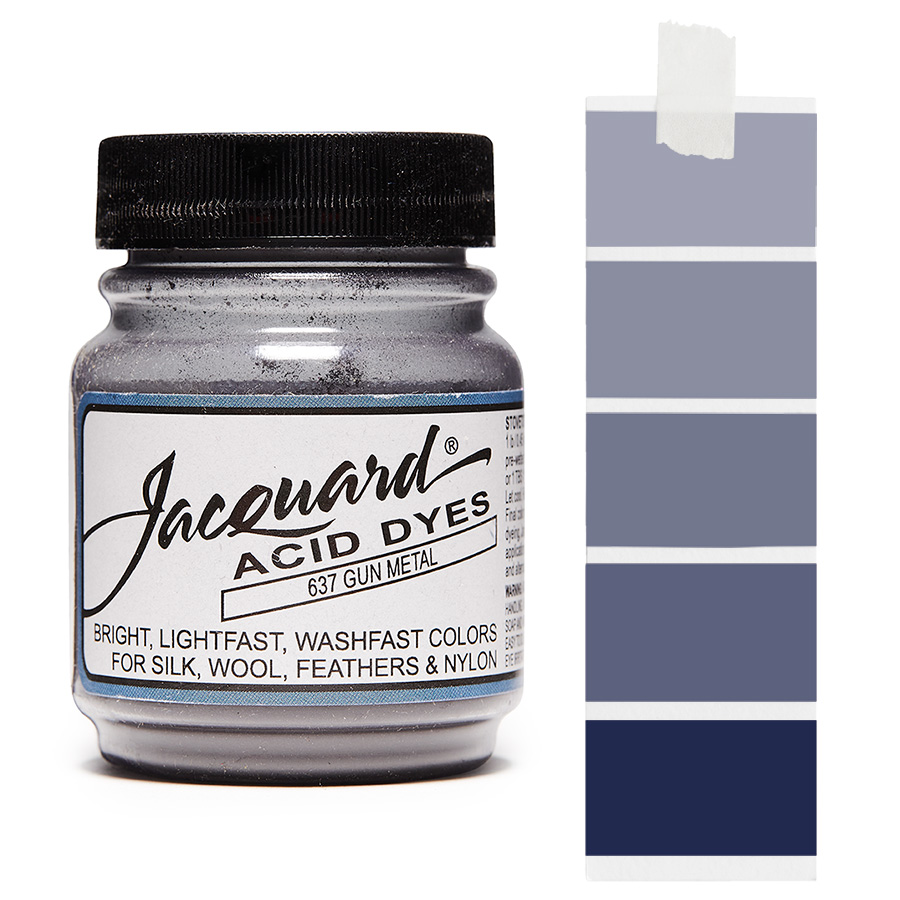
Content: 0.014 Kilogram (€417.86* / 1 Kilogram)
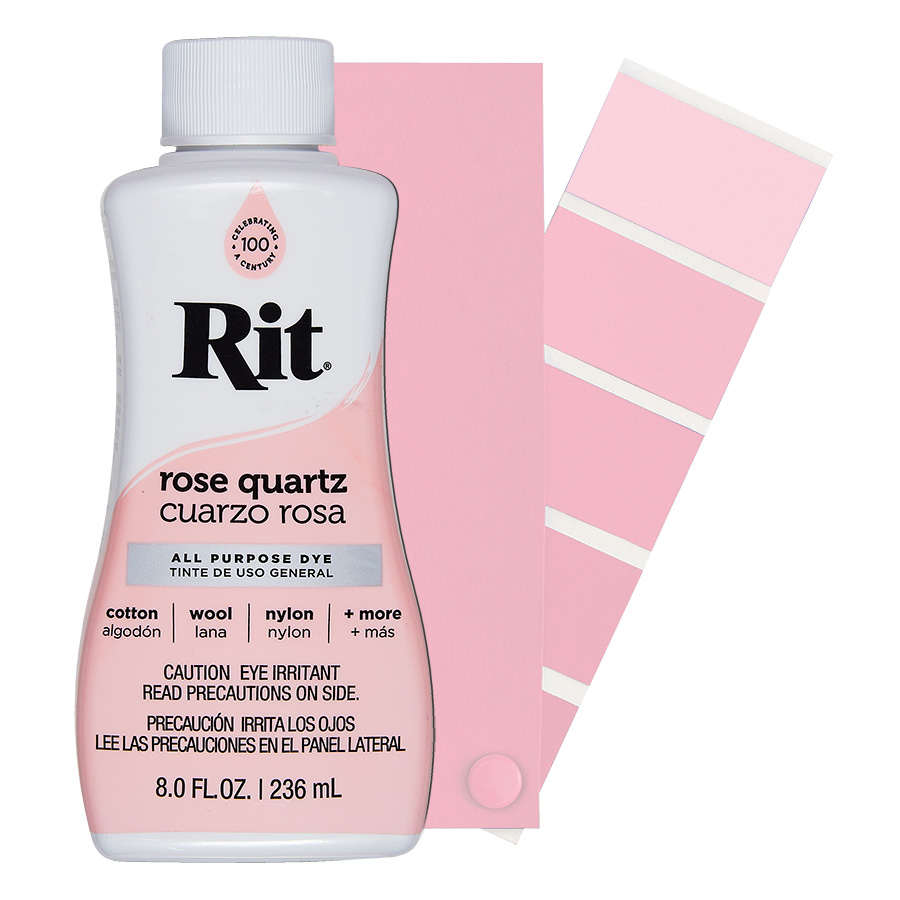
Content: 0.236 Litre (€29.45* / 1 Litre)
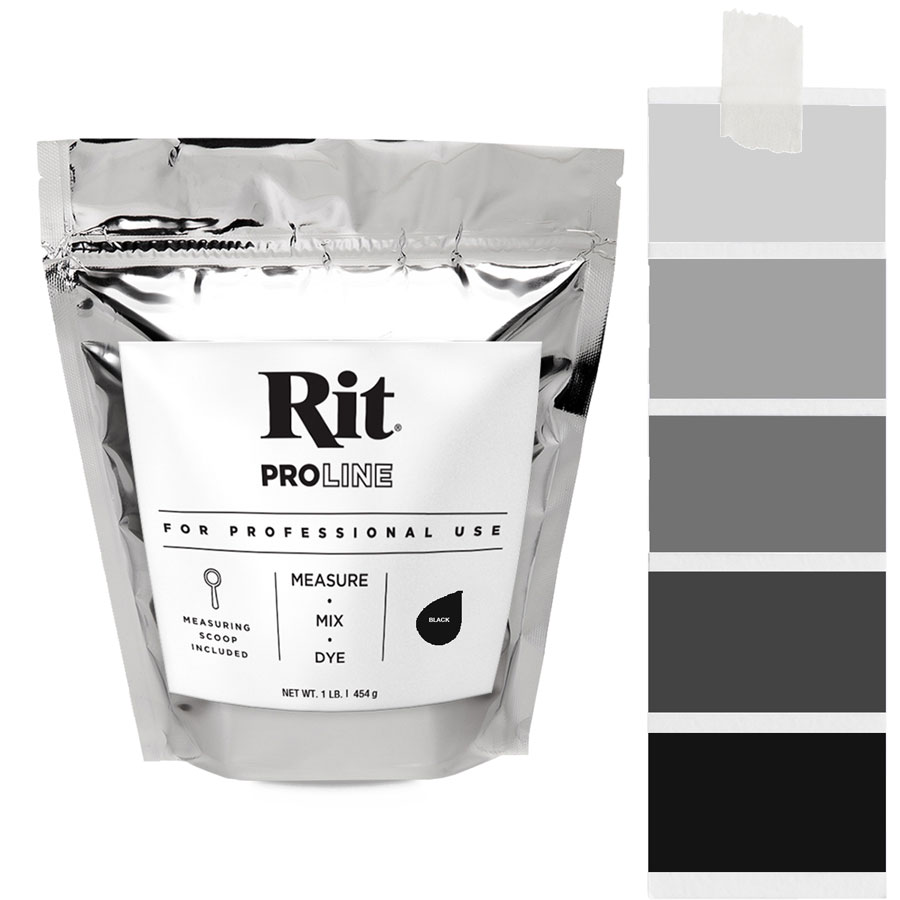
Content: 0.454 Kilogram (€110.02* / 1 Kilogram)