 We ship worldwide
 Top customer satisfaction!
 Many payment options

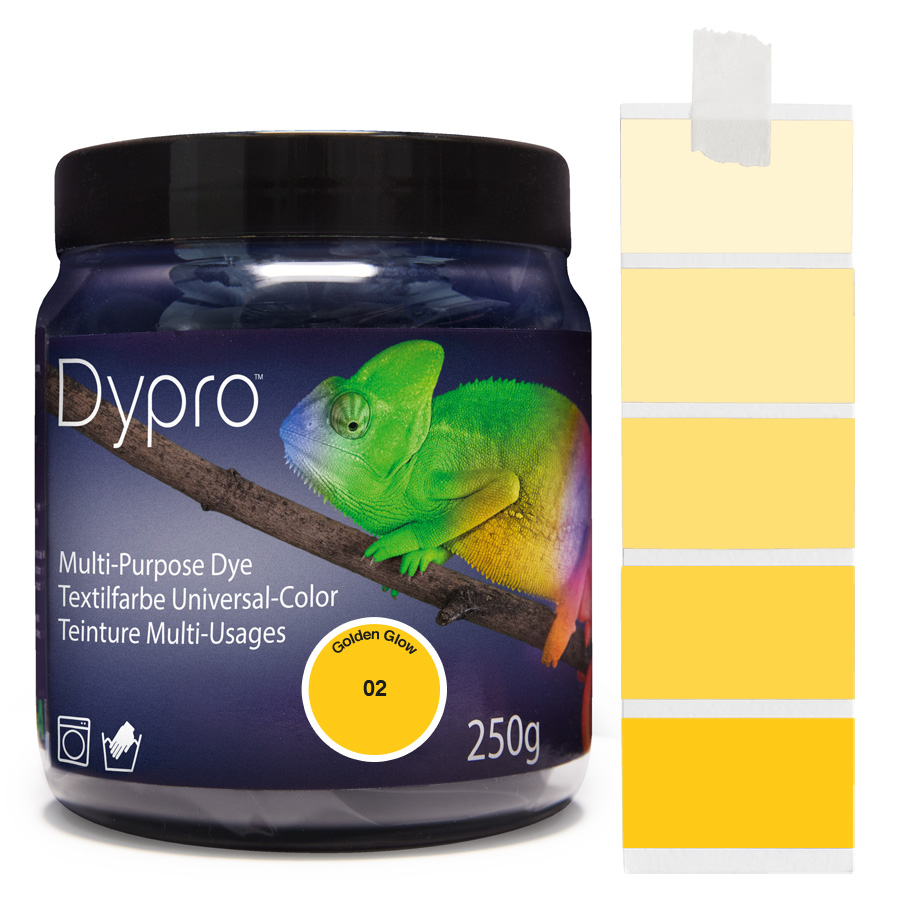
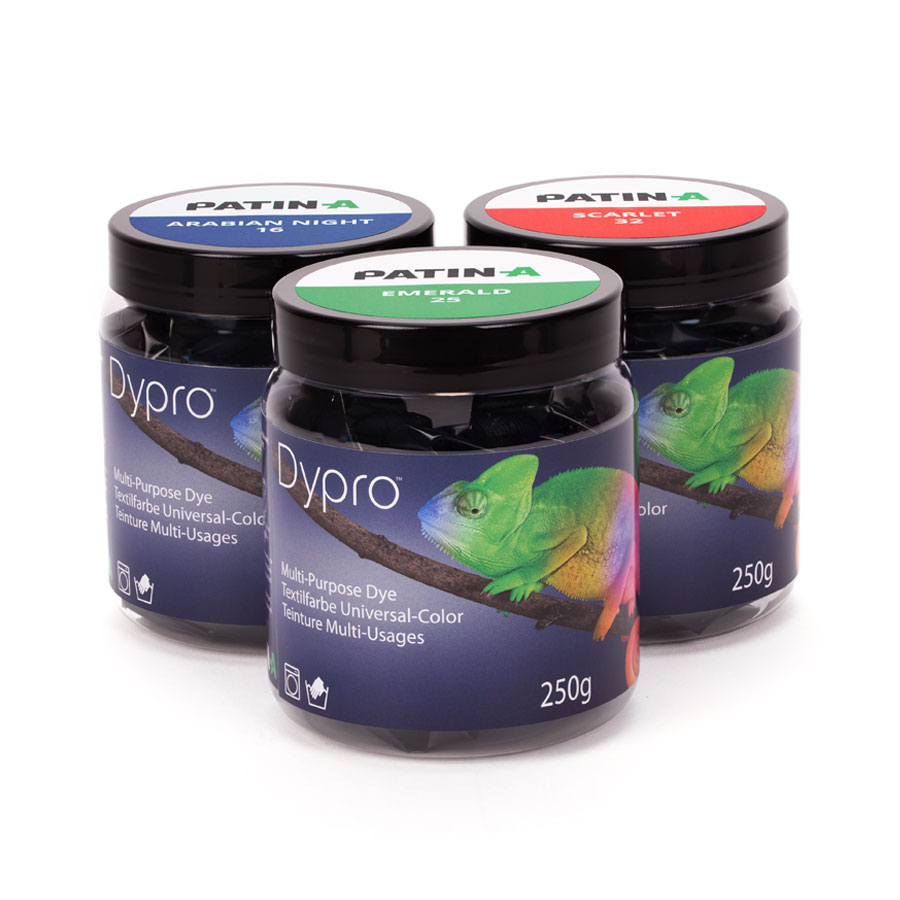
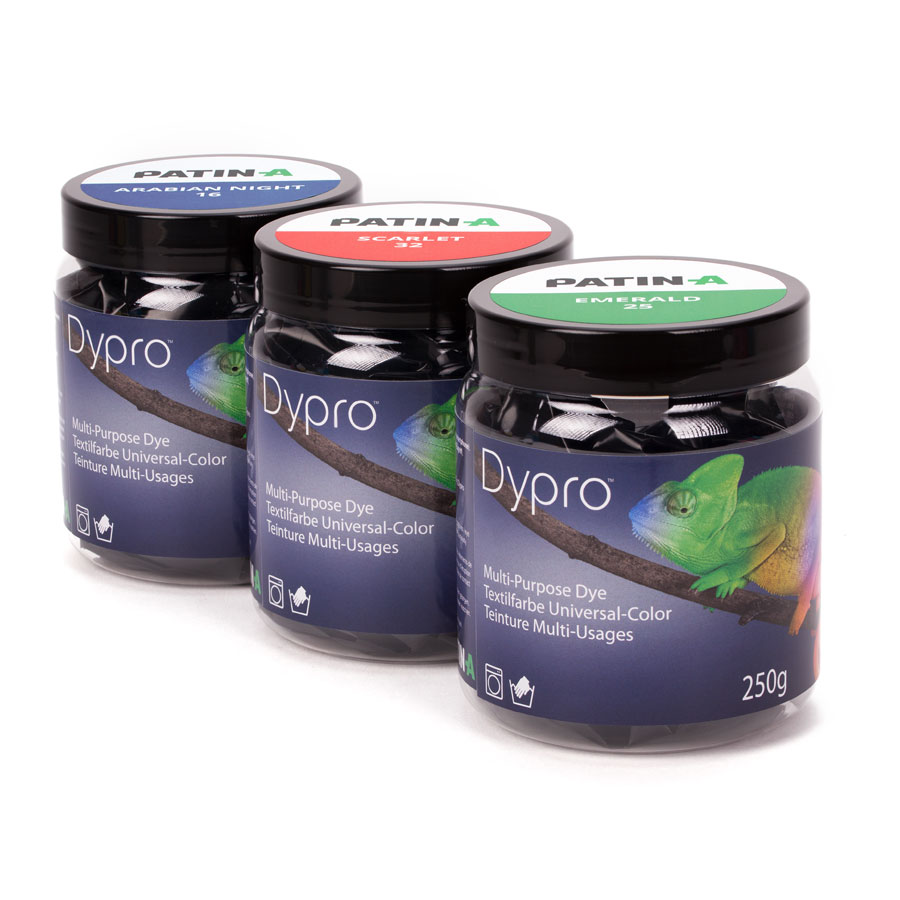
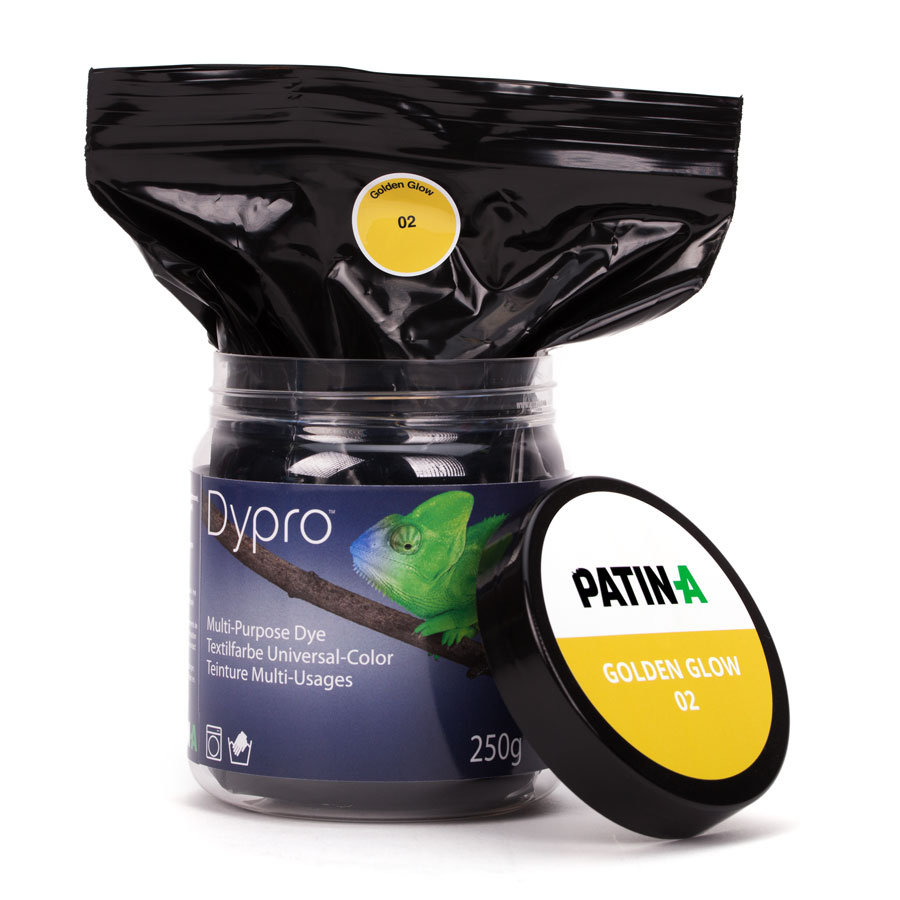
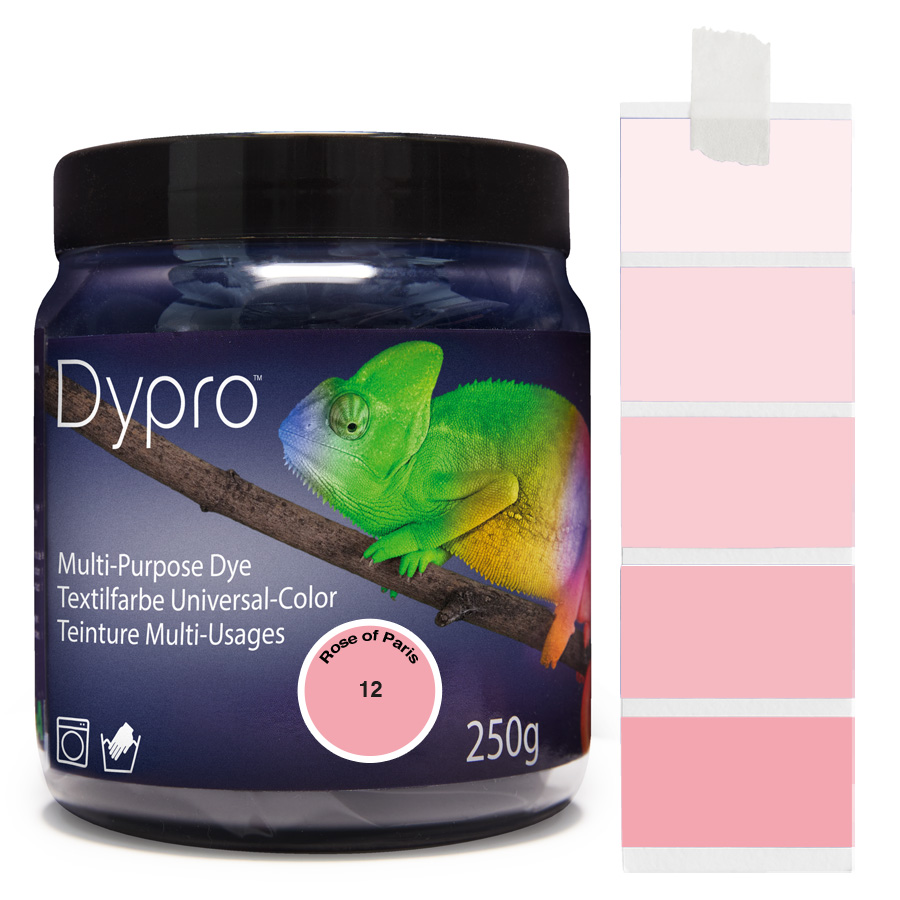
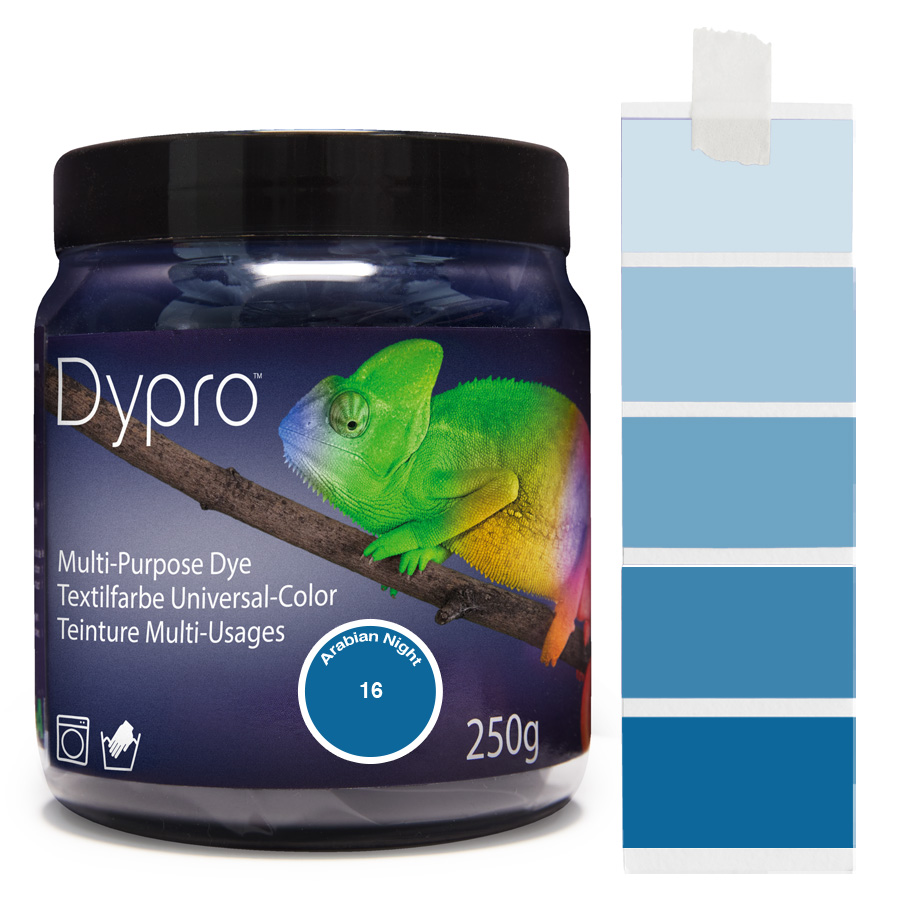
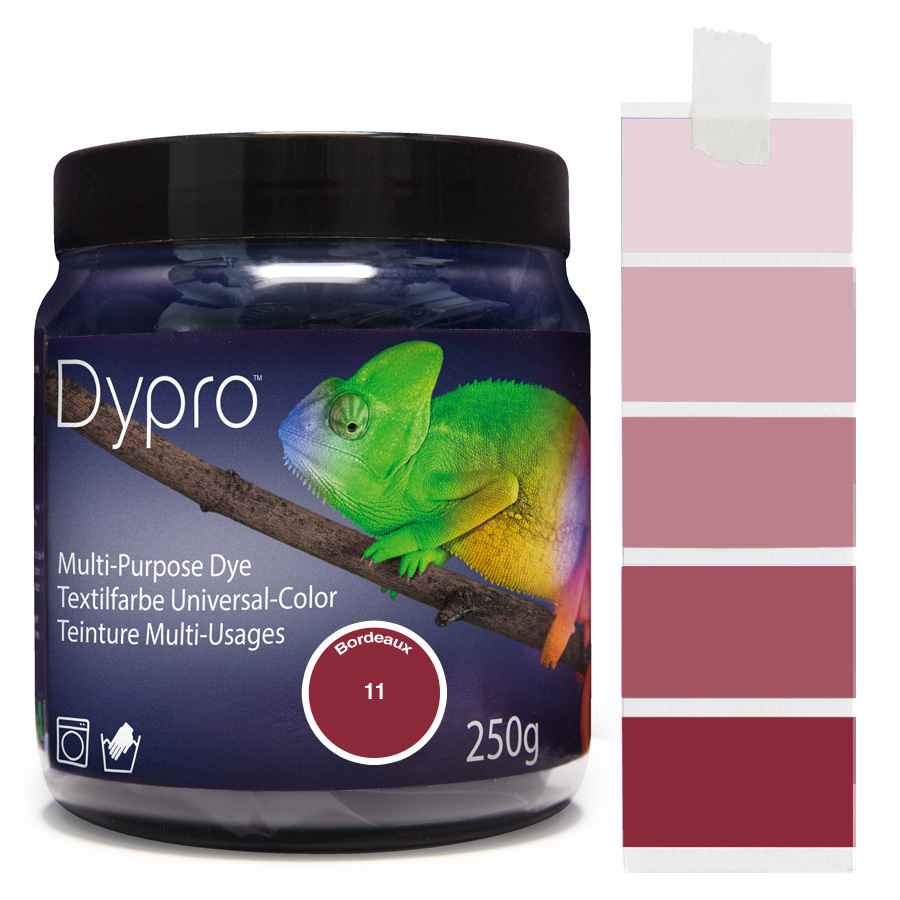
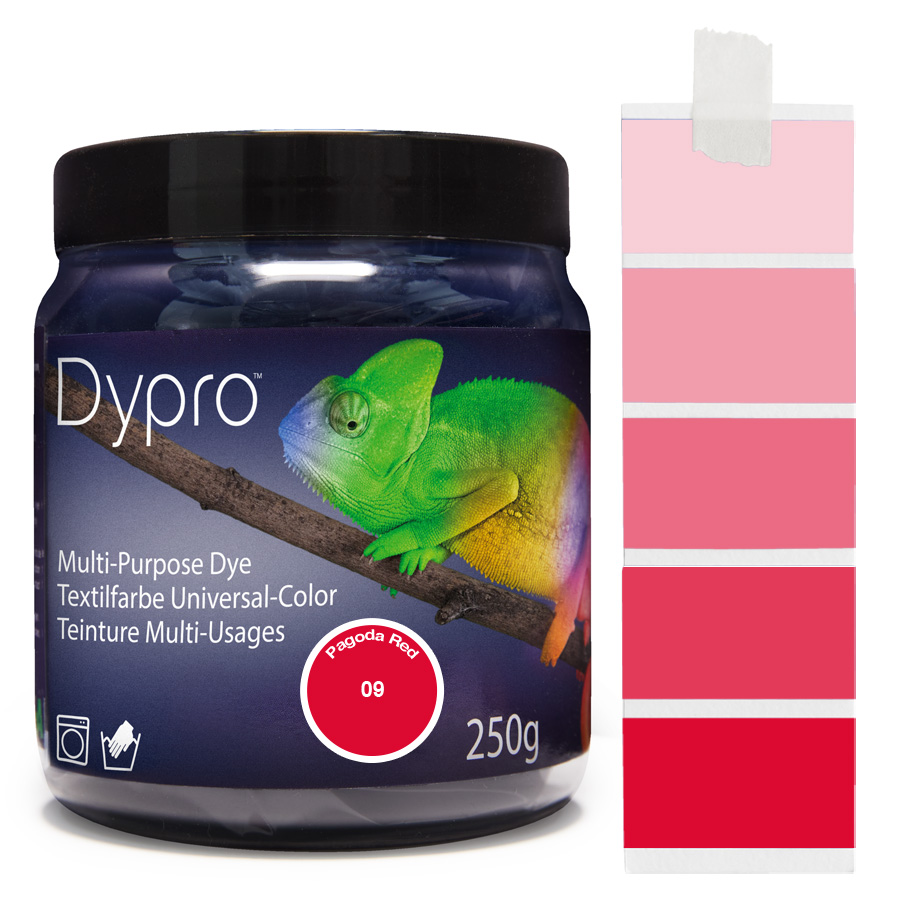
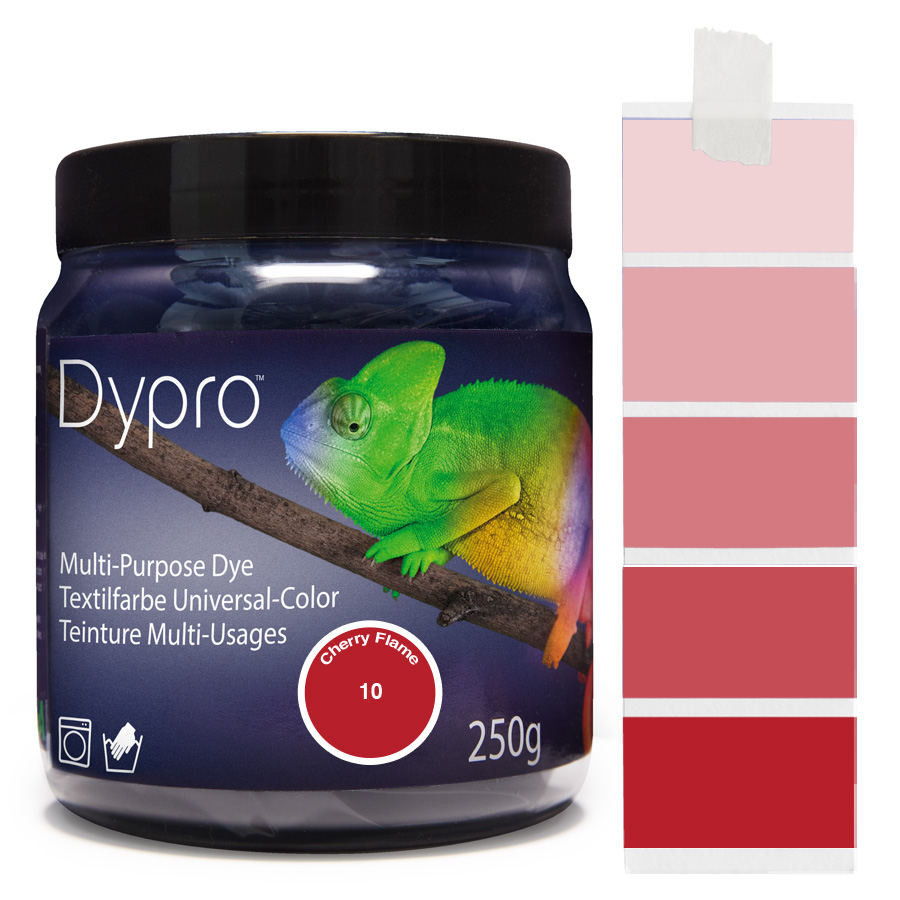
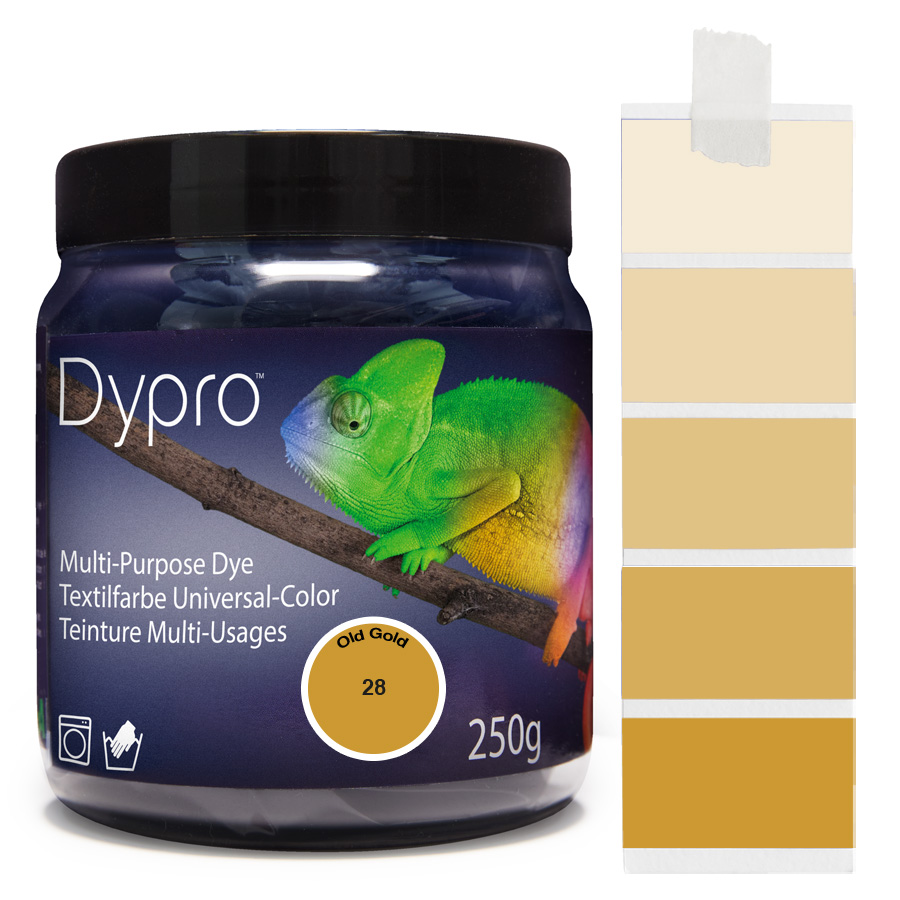
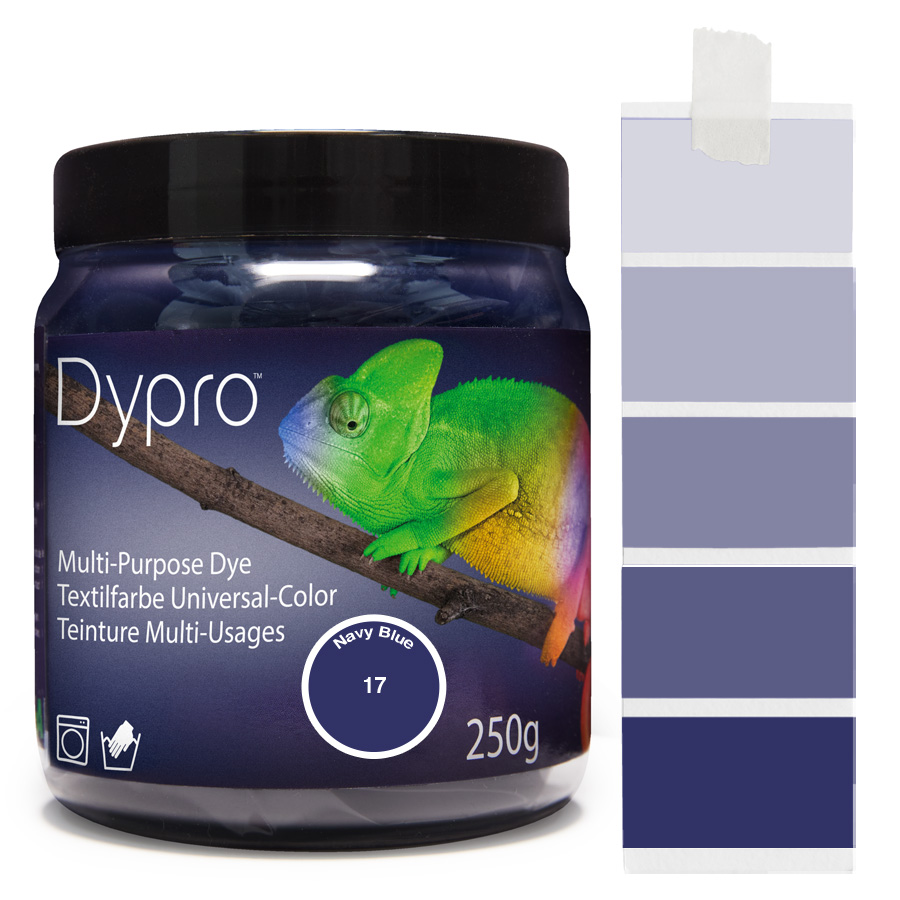
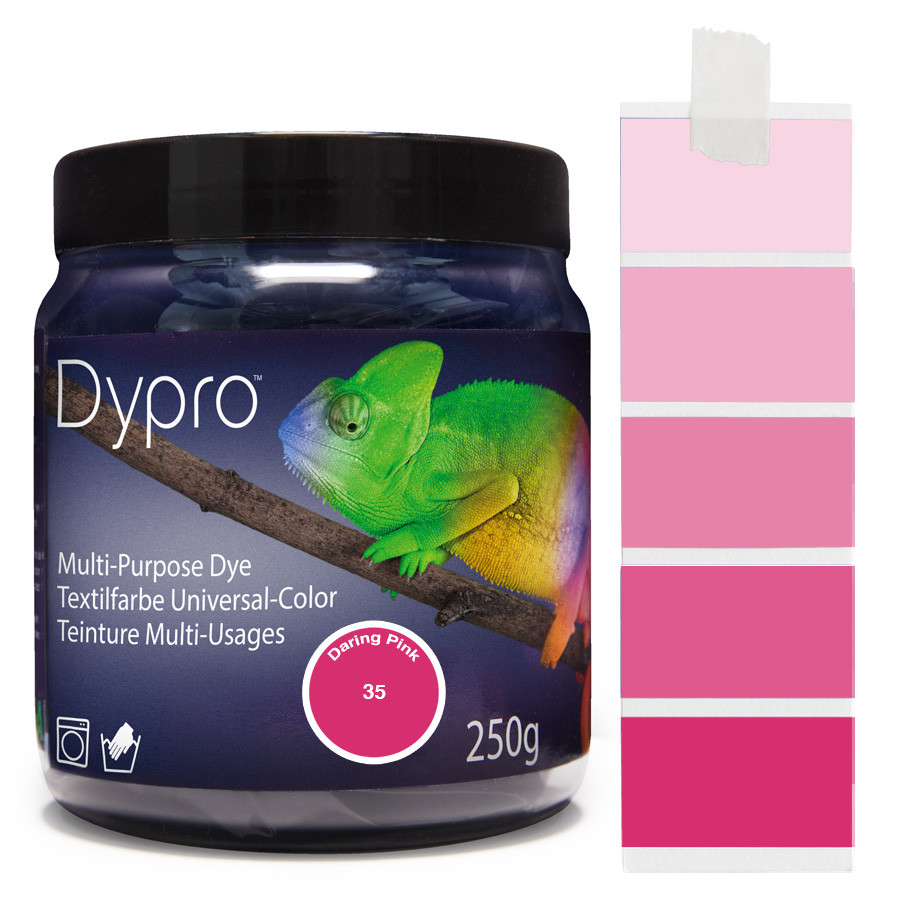
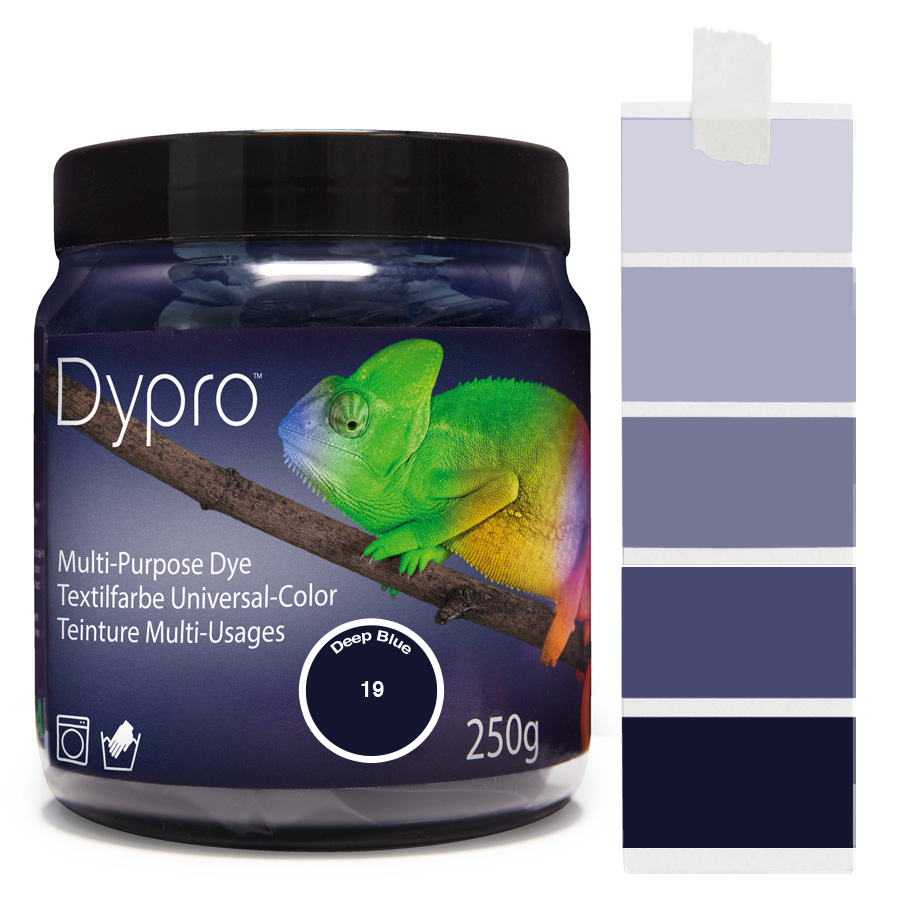
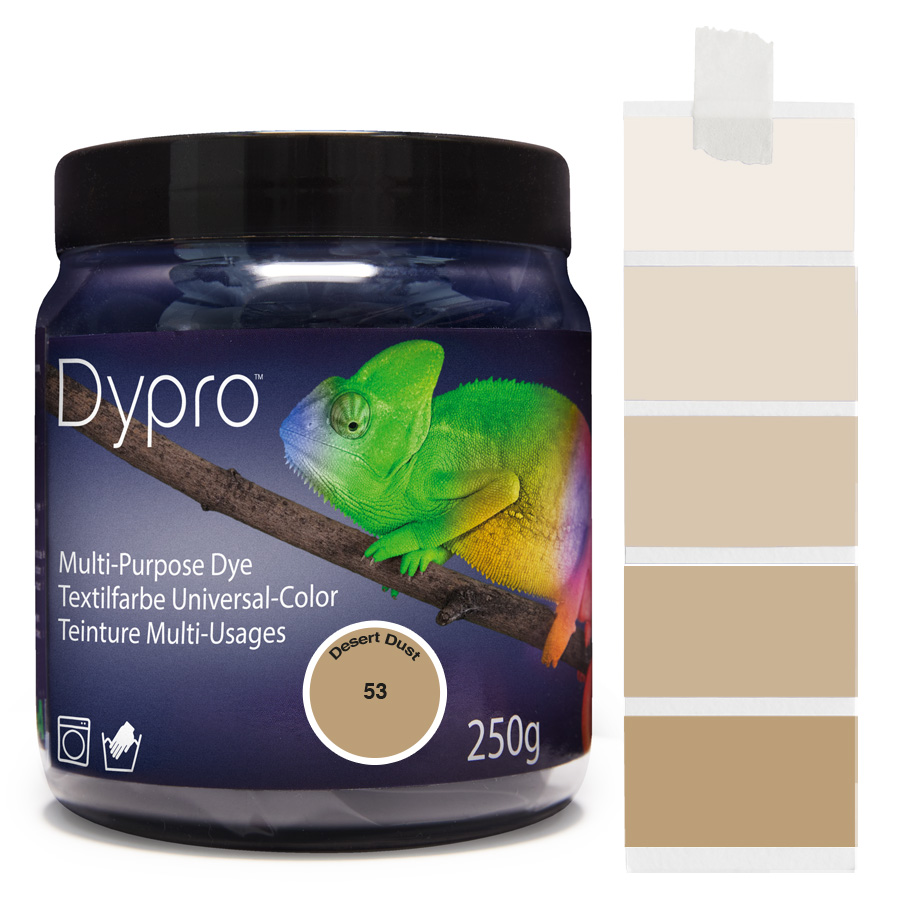
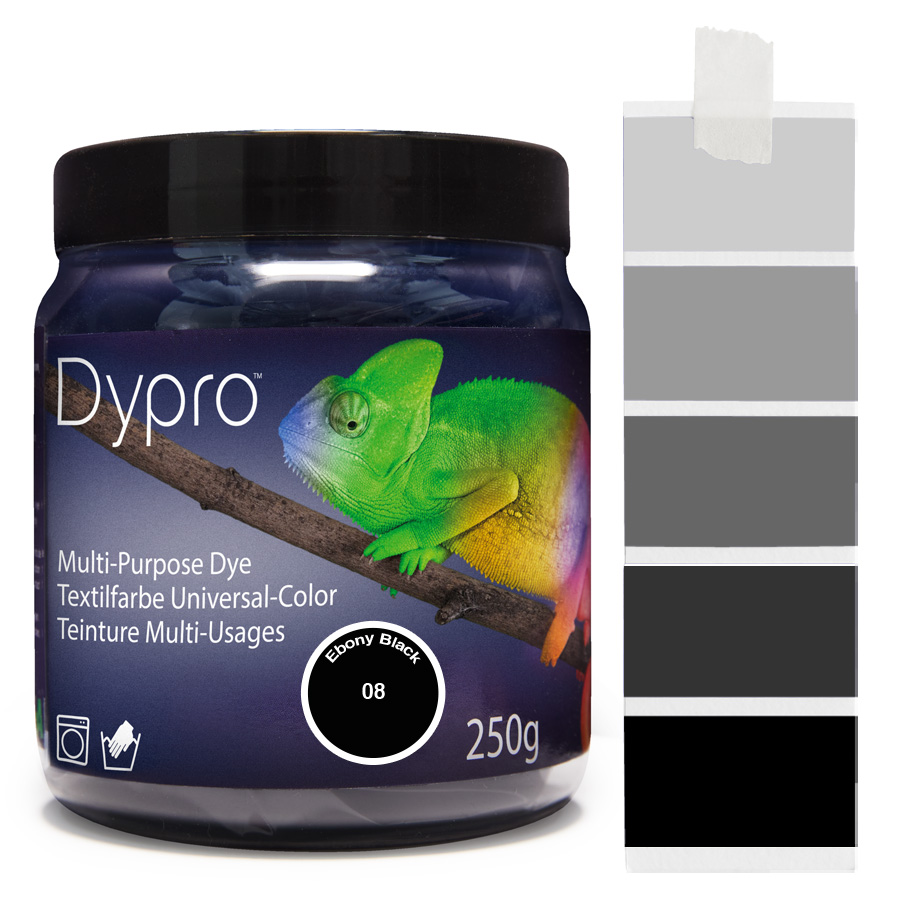
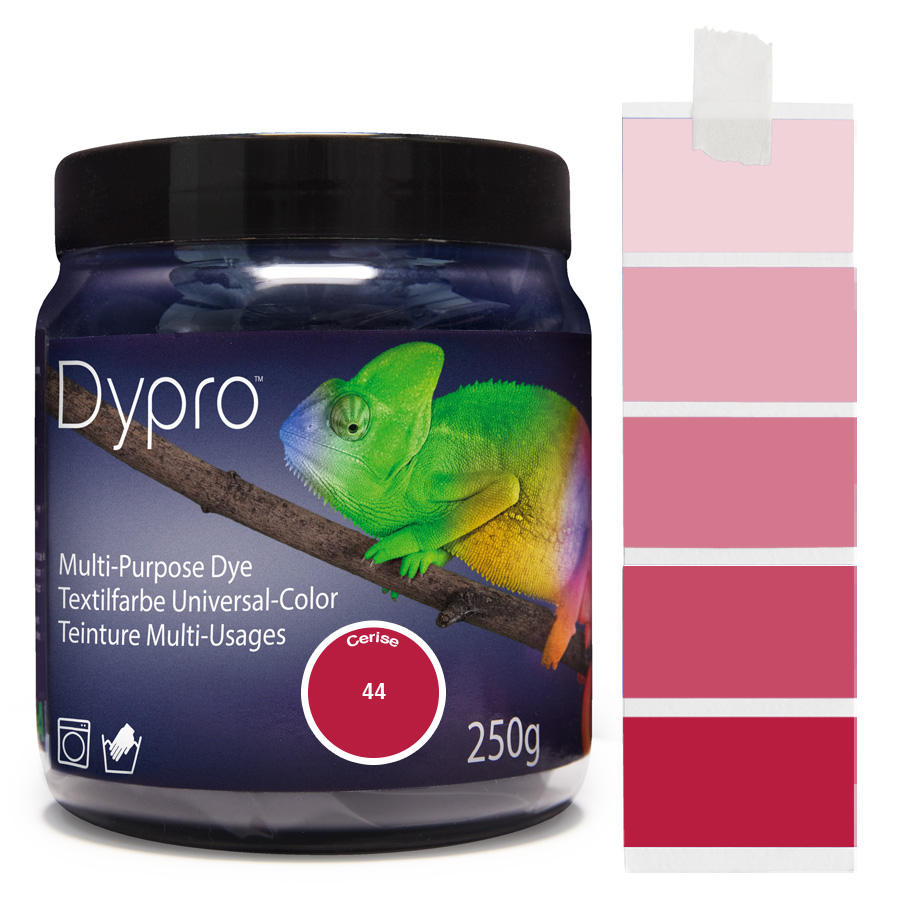
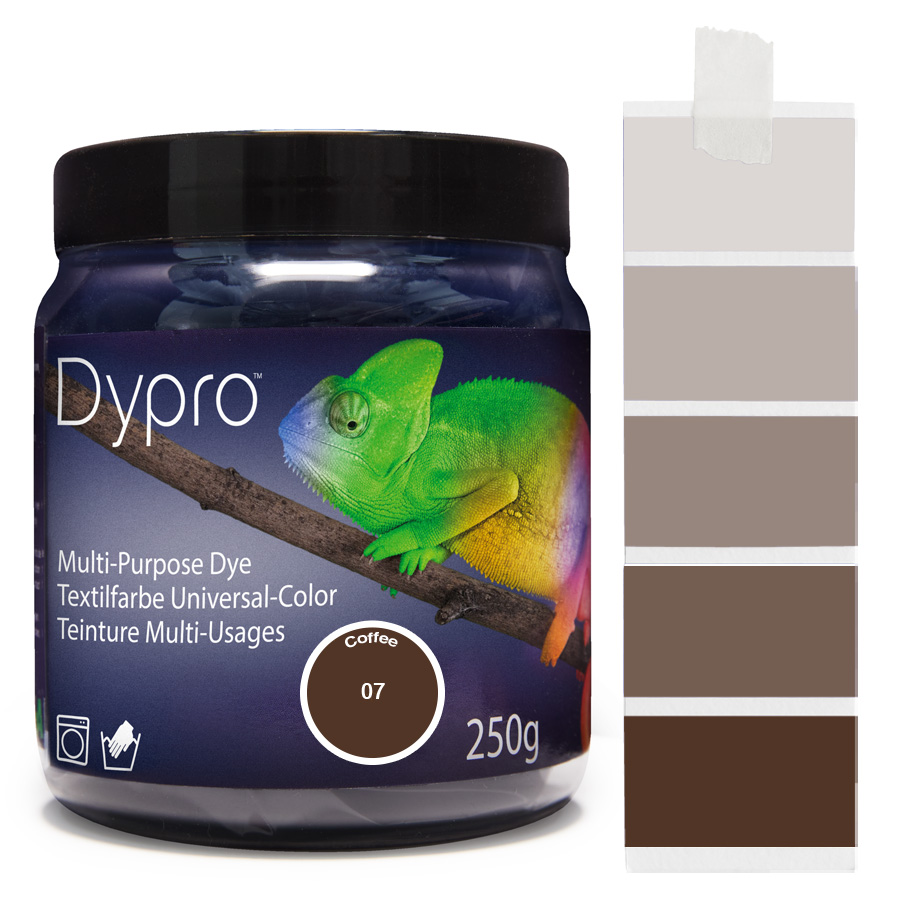
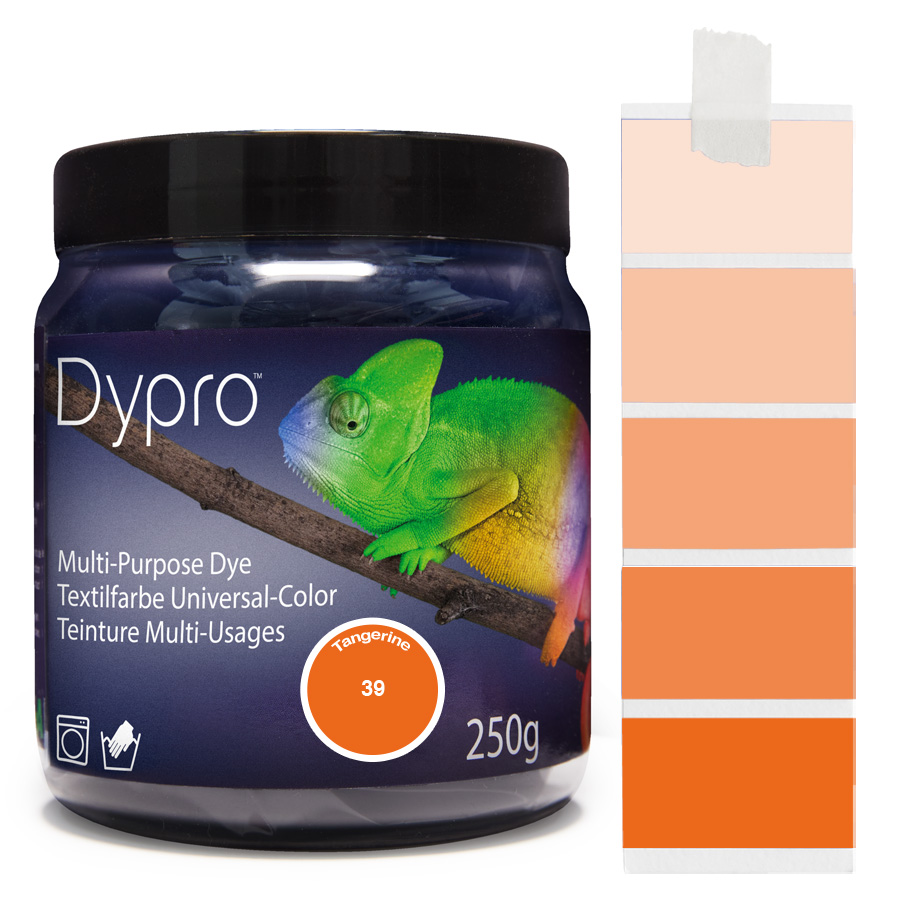
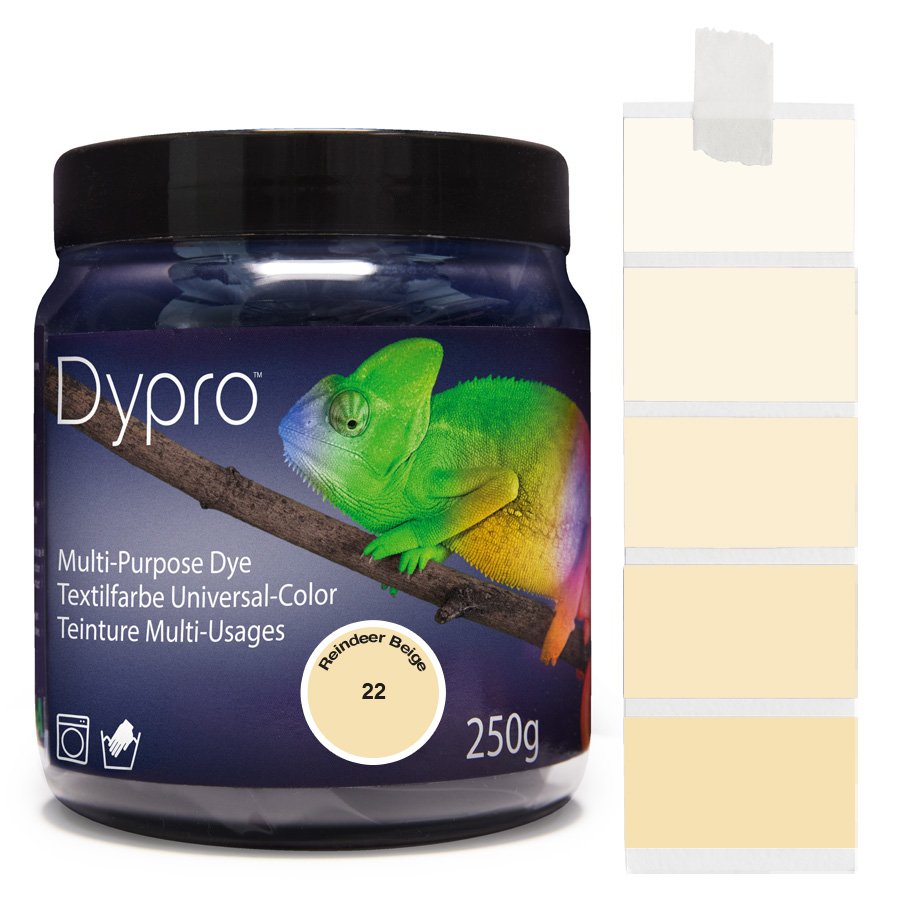
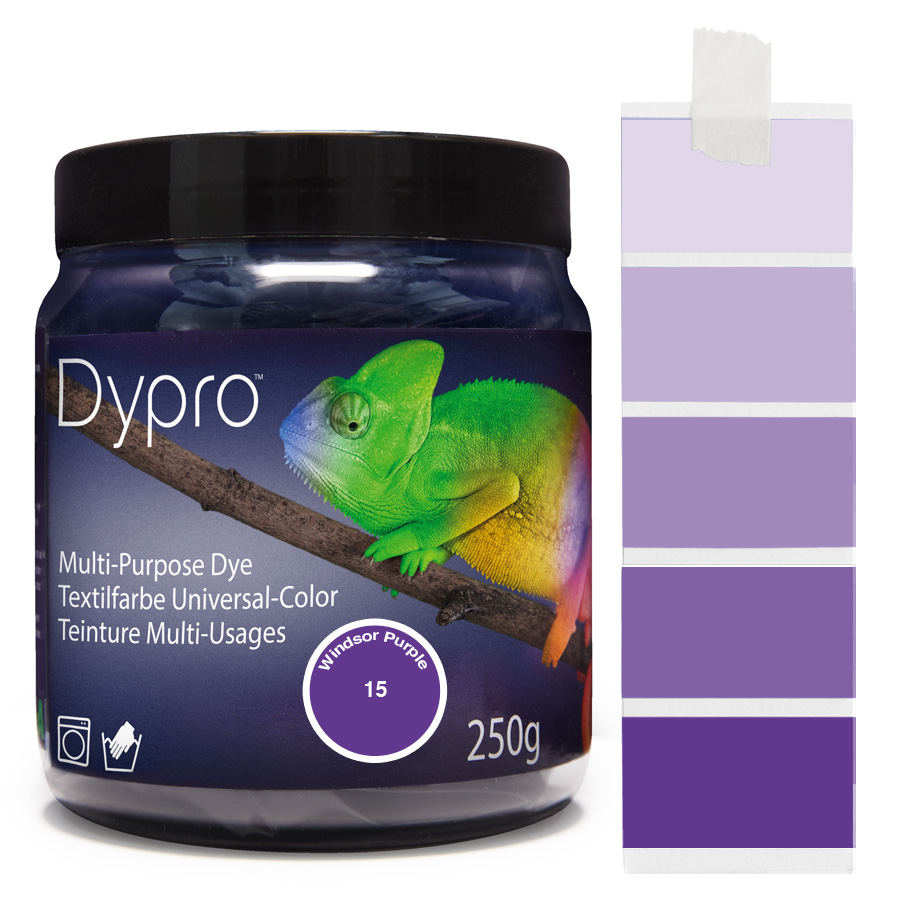
Dypro (DYLON) Fabric dye - Universal-Color Pro | 250g | Golden Glow
Available, delivery time: 1-3 days
Dypro - 02 Golden Glow: warm sunny yellow
Dypro 02 Golden Glow is a warm, sunny yellow with a golden glow.
It is yellower than Dypro 39 Tangerine (orange) and lighter than Dypro 28 Old Gold.
With less dye it gives soft butter and vanilla shades.
Like every shade of Dypro Universal-Color, Golden Glow dyes cotton, linen, viscose, wool, silk and nylon in a hot dye bath.

Please note: We fill this tin especially for you from an original tin. That is why we cannot take it back.
At a glance
• Shade: 02 Golden Glow, warm sunny yellow
• Hot water fabric dye as a powder, 250 g in the tin
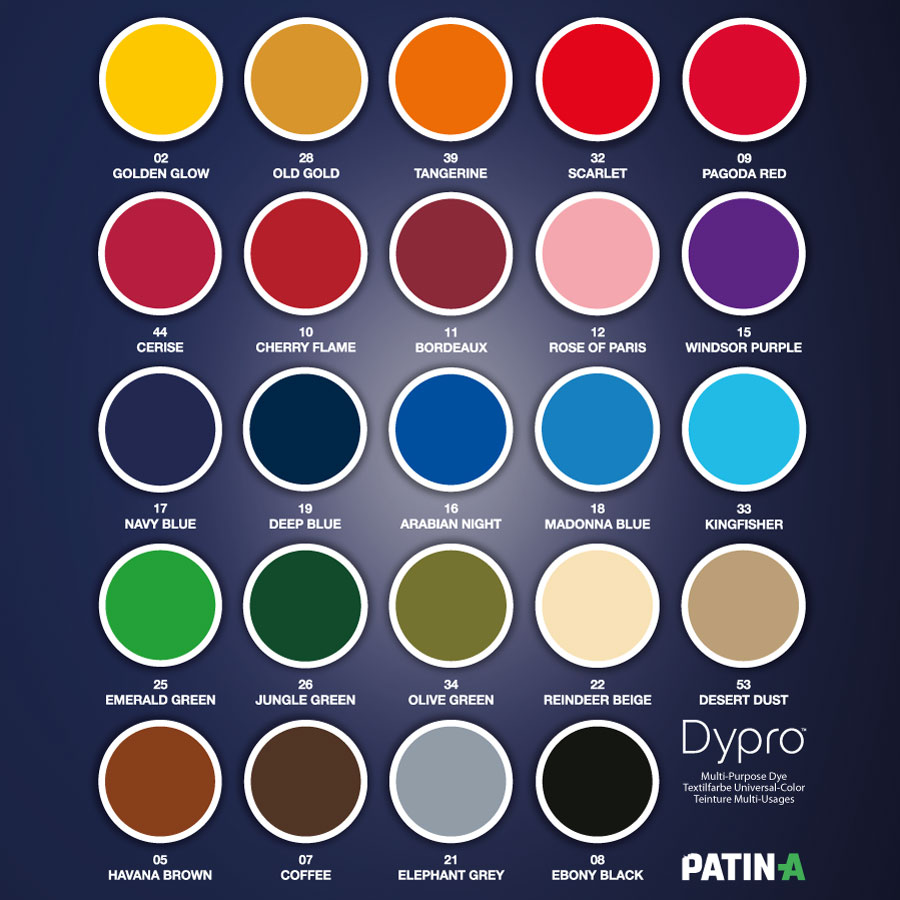
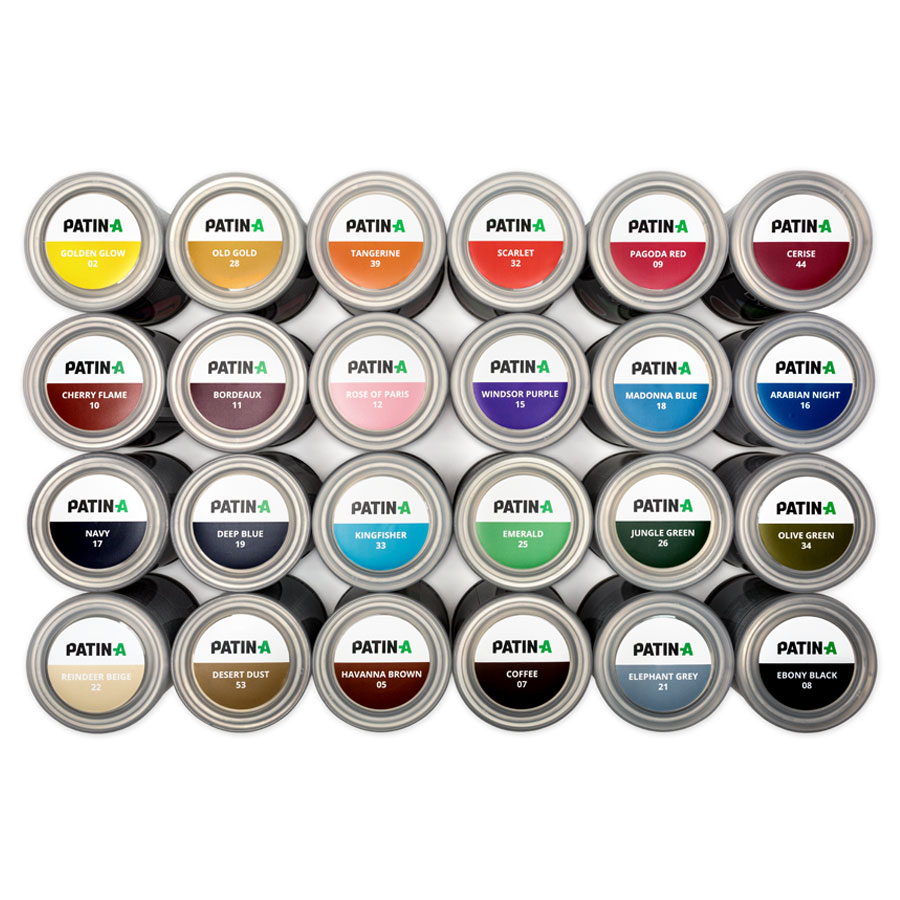
• 26 shades that can be mixed with each other
• Dyes cotton, linen, viscose, wool, silk, nylon (polyamide), elastane and blends of these
• Also for buttons, feathers, foam, grasses and 3D prints made of nylon
• In a cooking pot or in the washing machine, wool and silk only in the pot
• 250 g dyes up to 12.5 kg of fabric in most shades
• Easy to strip and redye
• Not for polyester, acrylic and acetate
Mixing and combining
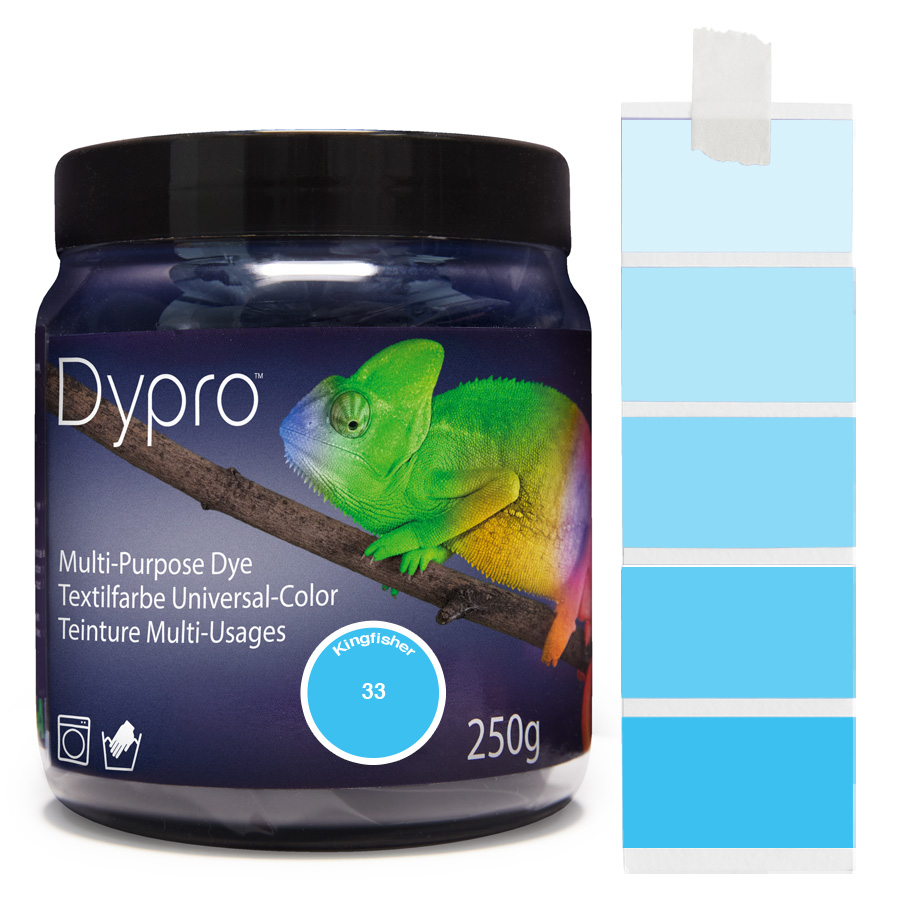
• With Dypro 33 Kingfisher (turquoise): fresh green.
• With Dypro 35 Daring Pink: vivid coral orange.
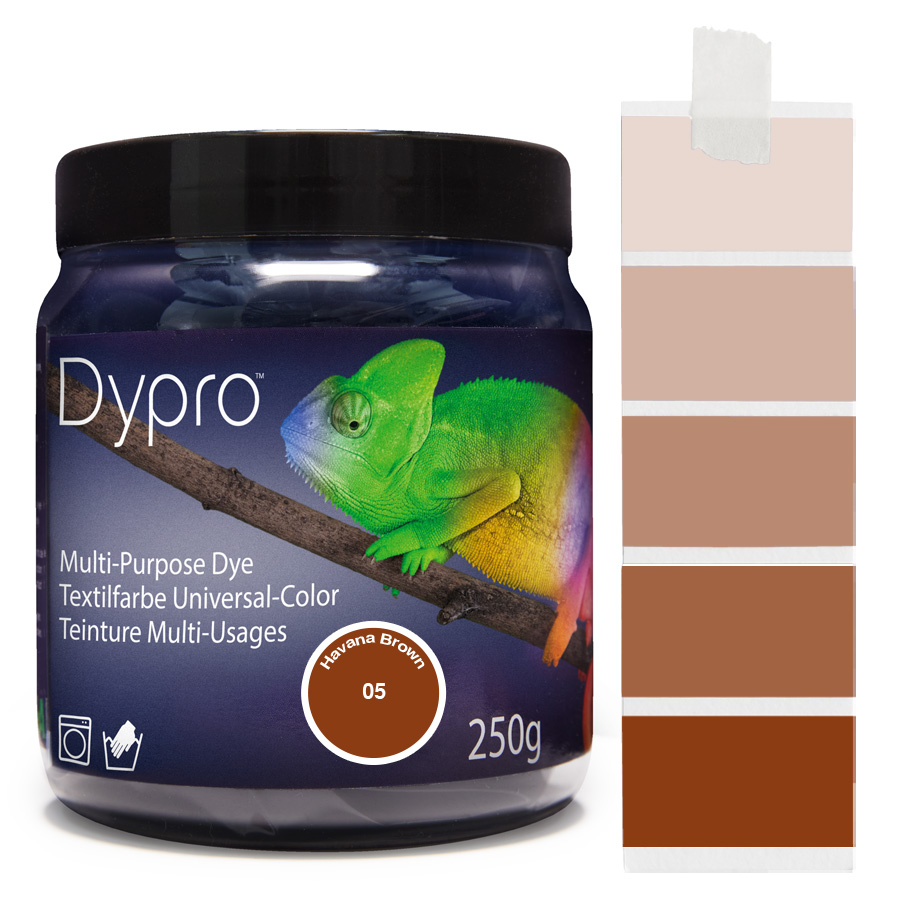
• With a little Dypro 05 Havana Brown (medium brown): warm mustard yellow.
Typical uses
• Costumes and theatre wear
• Cotton, linen and viscose
• Base colour for your own greens and oranges
About Dypro Universal-Color
A whole 500 g tin is too much for your production? And with nothing but 10 g sachets it gets expensive in the long run?
That is exactly why we offer the 250 g tin.
This size is not available in regular retail. For this we open an original tin and fill 250 g for you.
Ideal for independent theatres, schools, film projects and everyone who dyes regularly, but not in large quantities.
It contains the same dye that costume departments have known for decades under the name Dylon Universal-Color.
One tin is enough for up to 12.5 kg of fabric. That is around 60 T-shirts.
Why professionals love this dye
Dypro Universal-Color is the most important fabric dye in many costume departments. There are three reasons:
• It dyes almost everything. Natural fibres, nylon and elastane, often even blended fabrics in one bath.
• It can be mixed. 26 shades create countless nuances. Many houses have their own house recipes.
• It can be removed again. A costume from the stock can get a new colour for the next production. This saves money and gives costume designers a free hand with their colour concept.
Which fabrics is Dypro Universal-Color suitable for?
• Cotton and linen: in a pot at 80 to 95 °C with salt or in the washing machine.
• Viscose: no hotter than 80 °C, with salt. Wet viscose is delicate, so move it gently.
• Nylon (polyamide) and elastane: in a pot at 80 to 95 °C with salt. Nylon absorbs the dye particularly quickly and strongly.
• Wool and silk: only in the pot, carefully at approx. 80 °C, with vinegar instead of salt. Heat slowly, move little and let cool slowly. Never in the washing machine.
• Blended fabrics: for example cotton with elastane. If the fabric contains polyester, that portion stays lighter.
What is the dye not suitable for?
• Polyester, acrylic and acetate. For those, use Rit DyeMore.
• Coated or water-repellent fabrics. The coating does not let the dye into the fibre.
How much dye do I need?
Weigh the dry fabric on kitchen scales. The following quantities then apply for a strong shade:
| Shade | for 250 g of fabric | for 500 g of fabric |
|---|---|---|
| 02 Golden Glow | 5 g | 10 g |
| 05 Havana Brown | 6 g | 12 g |
| 07 Coffee | 6 g | 12 g |
| 08 Ebony Black | 8 g | 16 g |
| 09 Pagoda Red | 5 g | 10 g |
| 10 Cherry Flame | 5 g | 10 g |
| 11 Bordeaux | 5 g | 10 g |
| 12 Rose of Paris | 5 g | 10 g |
| 15 Windsor Purple | 5 g | 10 g |
| 16 Arabian Night | 5 g | 10 g |
| 17 Navy | 6 g | 12 g |
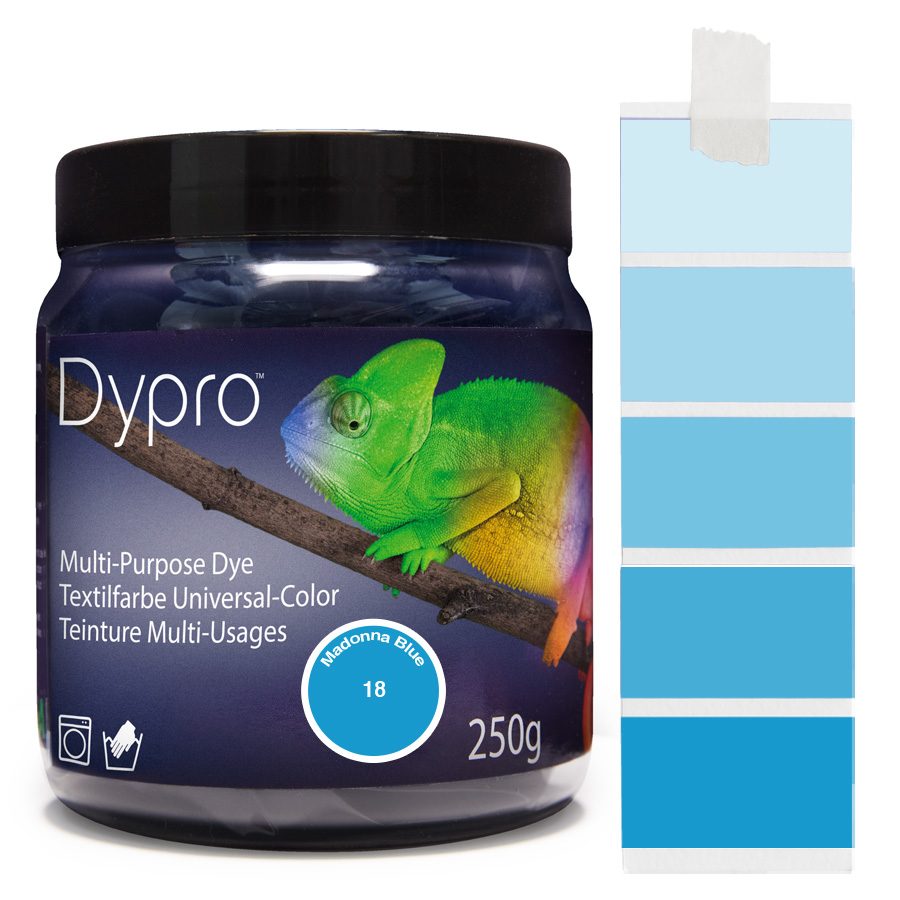
| 18 Madonna Blue | 5 g | 10 g |
| 19 Deep Blue | 5 g | 10 g |
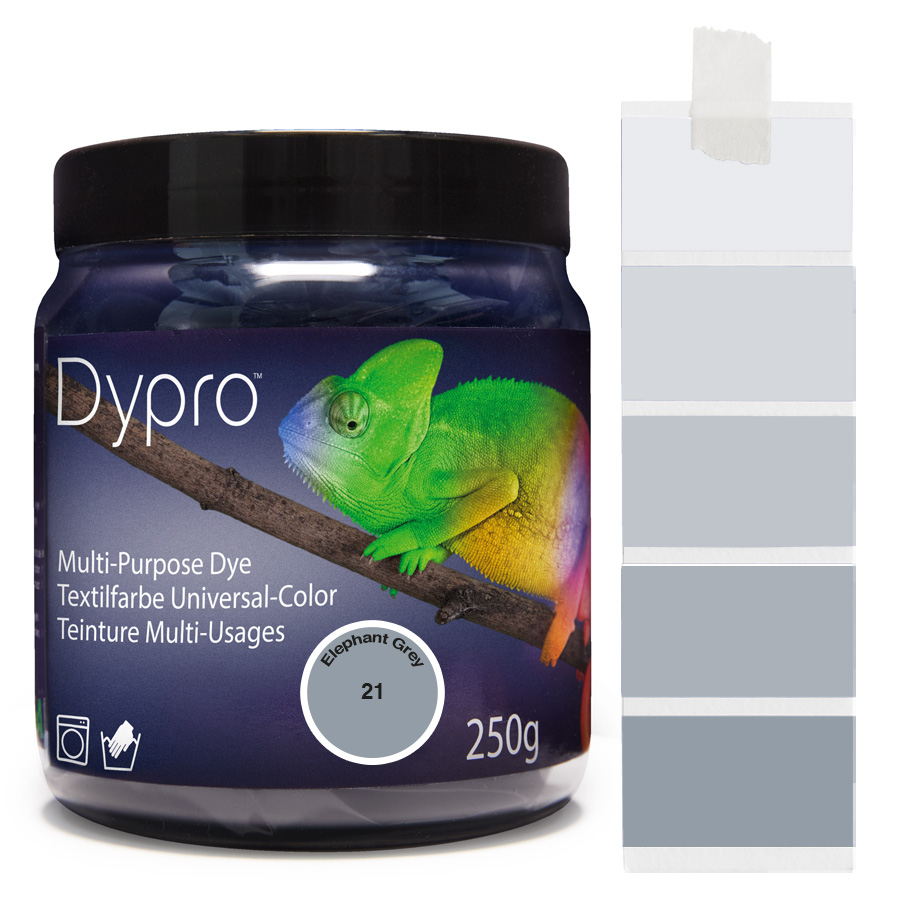
| 21 Elephant Grey | 5 g | 10 g |
| 22 Reindeer Beige | 5 g | 10 g |
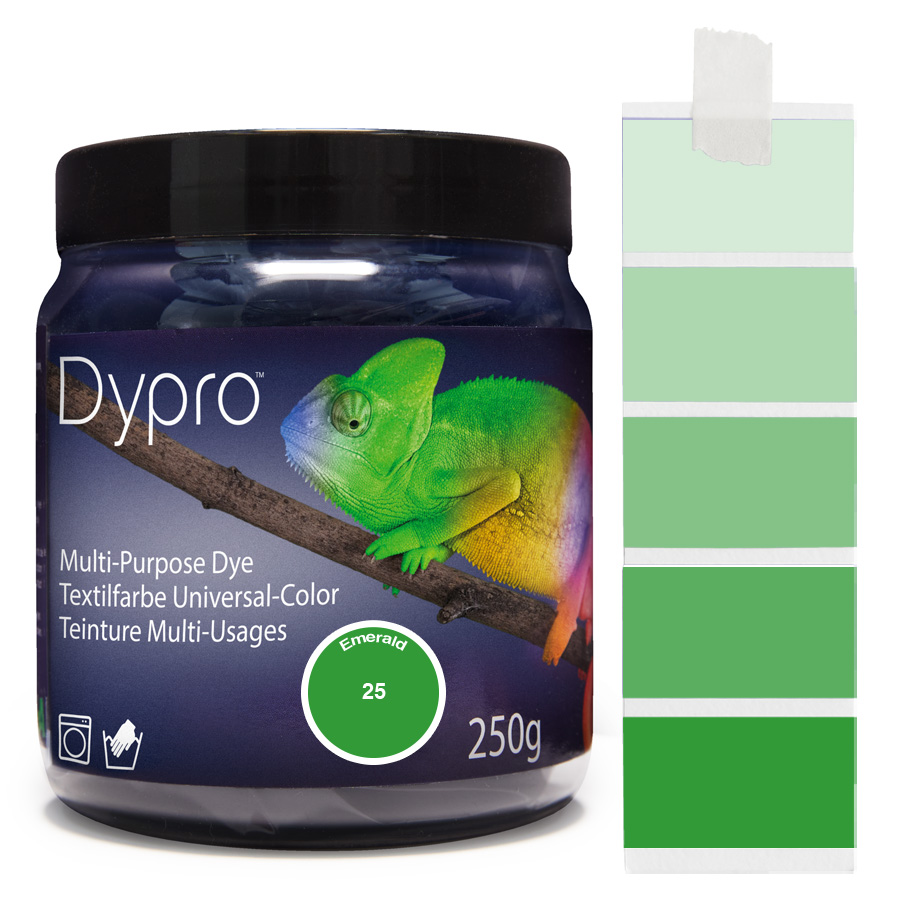
| 25 Emerald | 5 g | 10 g |
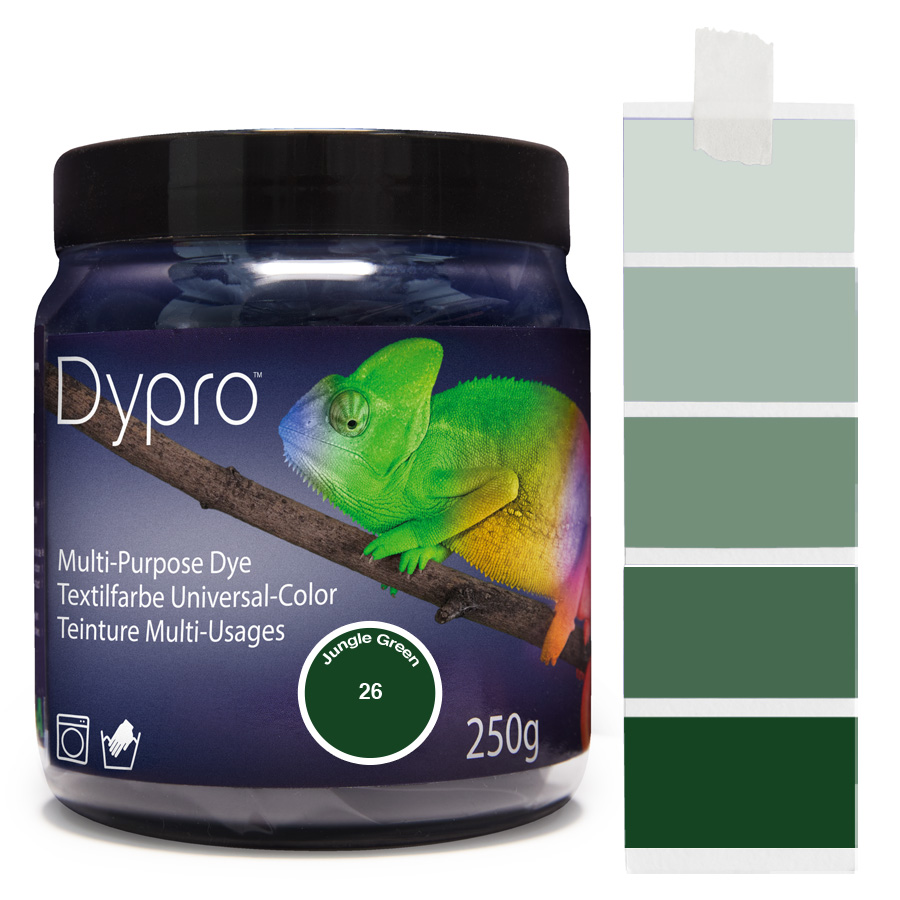
| 26 Jungle Green | 5 g | 10 g |
| 28 Old Gold | 5 g | 10 g |
| 32 Scarlet | 5 g | 10 g |
| 33 Kingfisher | 5 g | 10 g |
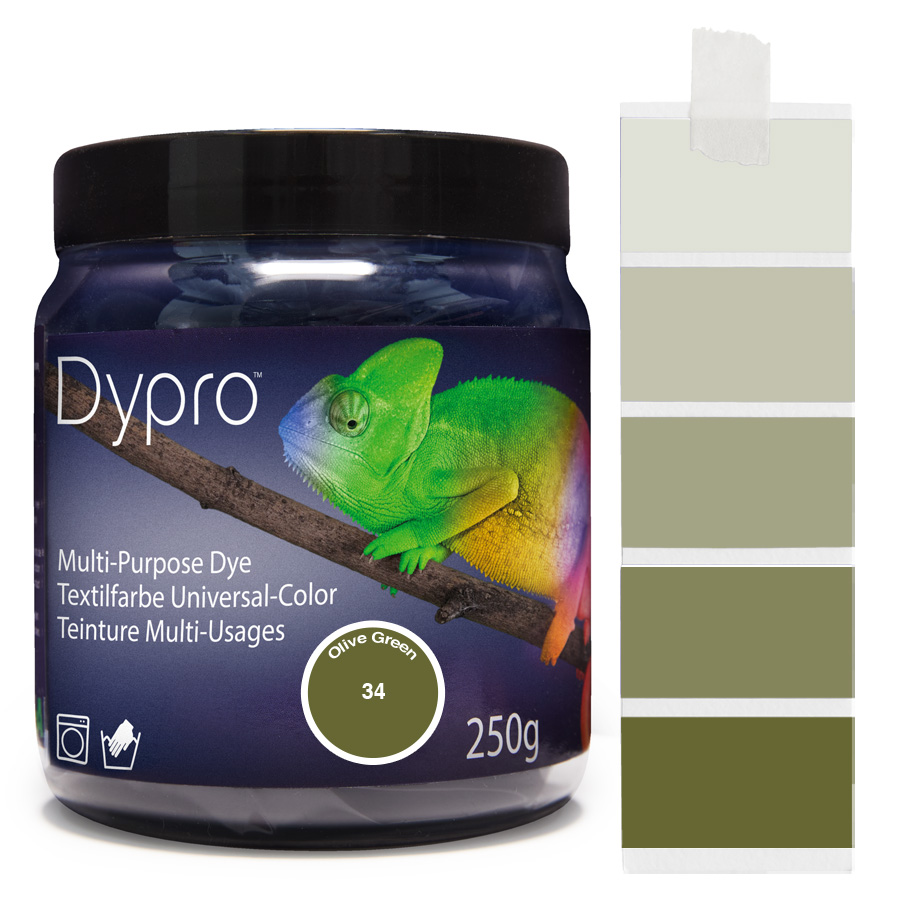
| 34 Olive Green | 5 g | 10 g |
| 35 Daring Pink | 5 g | 10 g |
| 39 Tangerine | 5 g | 10 g |
| 44 Cerise | 5 g | 10 g |
| 53 Desert Dust | 5 g | 10 g |
| 62 Forest Green | 8 g | 16 g |
For delicate pastel shades, use correspondingly less dye. For series and important costumes, it is best to dye a test piece first.
What else do I need?
• Salt for cotton, linen, viscose, nylon and elastane: 60 g per 500 g of fabric in the pot, 500 g per load in the washing machine. We recommend Dye salt.
• Vinegar for wool and silk instead of salt: 250 ml of household vinegar per 500 g of fabric.
• A drop of washing-up liquid in the dye bath. It ensures an even result.
• For new fabrics or fabrics washed with fabric softener: wash beforehand with DEKA Textil-Fit or Synthrapol .
• DyproFix for fixing if the costume is washed often.
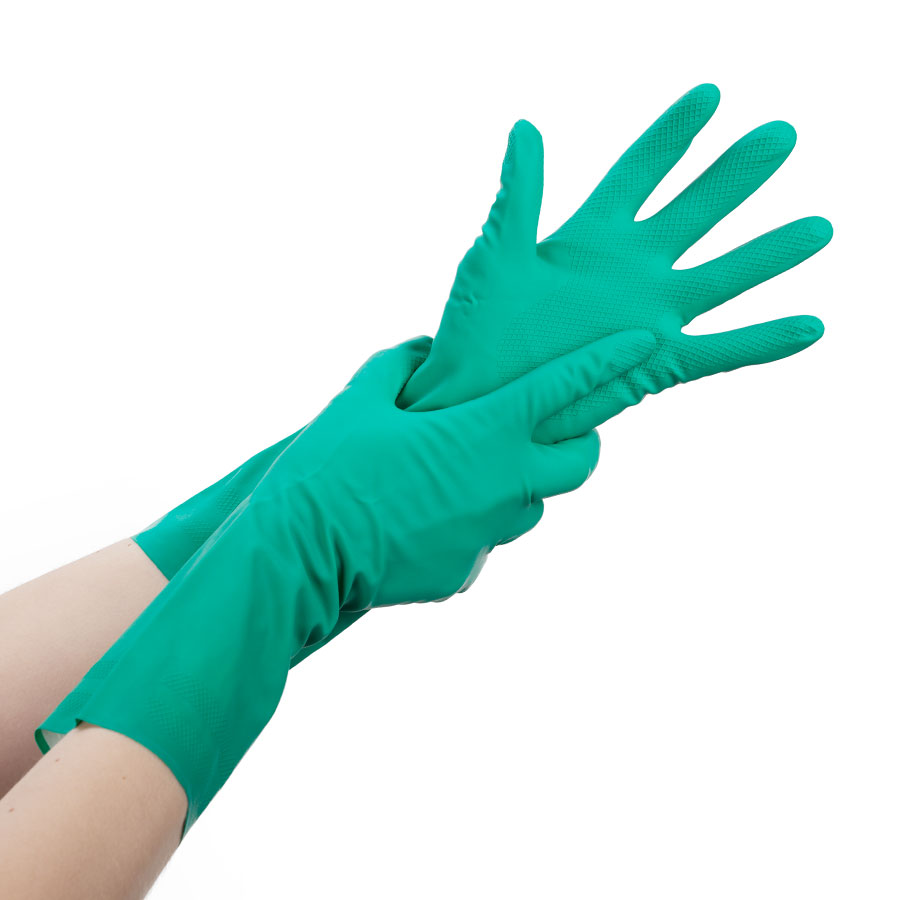
• Rubber gloves to protect against dye and hot water.
Is the dyeing washfast?
Without fixing, the dye bleeds a little when washed. That is not a flaw, but exactly the property that makes redyeing so easy.
If a costume is to be washed often, treat it with DyproFixafter dyeing. The colour then stays in the fabric through washes up to 40 °C.
Always wash dyed items separately and at a maximum of 40 °C.
And in the washing machine?
For cotton and linen, the washing machine is the most convenient method. For this you need a hot programme of at least 80 °C.
And do not worry about your machine: after dyeing, run an empty wash at 95 °C or a load of dark laundry and it is ready to go again.
Wool and silk do not belong in the washing machine.
Tip for the costume stock: stripping, redyeing, distressing
Dypro dyeings can easily be removed again, for example with Rit Color Remover. The costume then simply gets a new colour.
The dye is also ideal for distressing. With Jacquard deColourant Paste or Jacquard deColourant Mist you remove the colour selectively in individual places, for example at knees, elbows or hems. This makes a costume look worn and lived in. Try it beforehand on an inconspicuous area.
Whether drab and overdyed or loud and colourful like at carnival: with Dypro Universal-Color everything is possible.
Dyeing buttons, feathers and 3D prints
Dypro Universal-Color also dyes buttons and plastic objects, feathers, foam and grasses. 3D prints made of nylon are dyed particularly strongly and all the way through.
To do this, dissolve 5 g of dye in 500 ml of boiling water. In it, dye up to 125 g of objects for about 10 minutes just below boiling point. The objects must be completely covered by the dye solution.
For deep black 3D prints there is Dypro 3-D Black.
Which pack size is right for me?
• Dypro Universal-Color 10 g: for trying out and for individual costumes.
• Dypro Universal-Color 250 g (this product): for small productions and regular dyeing.
• Dypro Universal-Color 500 g: for theatre, opera, film and large quantities.
More questions about dyeing?
• You will find the detailed dyeing instructions in the tab “Dyeing instructions”.
• FAQs about dyeing with textile dyes
• Special chemicals for better dyeing results
Instructions
Explained step by step: Dypro dyeing instructions
Contents
• 250 g Dypro 02 Golden Glow (sunny yellow) fabric dye as a powder in a tin
Hazard information

Warning. May cause an allergic skin reaction. Causes serious eye irritation.
If medical advice is needed, have product container or label at hand. Keep out of reach of children. Wear protective gloves and eye protection. IF ON SKIN: Wash with plenty of water. IF IN EYES: Rinse cautiously with water for several minutes. Remove contact lenses, if present and easy to do. Continue rinsing. If skin irritation or rash occurs: Get medical advice. If eye irritation persists: Get medical advice.
Based on the manufacturer's safety data sheet. Always read the label and product information before use.
Sales unit: 1 piece
Dypro Universal-Color: Dyeing instructions
Don't worry, dyeing with Dypro Universal-Color is quite simple. All that matters is the right method for your fabric. So first look at the care label to see which fibres it is made of.
Cotton, linen, viscose, nylon and elastane are dyed with salt. Wool and silk are dyed with vinegar and only in the pot. Polyester, acrylic and acetate cannot be dyed with this dye.
Preparation for all methods
1. Weigh the dry fabric. You will find the right amount of dye in the table in the description.
2. Wash the fabric without fabric softener. It is best to wash new fabrics or fabrics with finishes with DEKA Textil-Fit or Synthrapol.
3. The fabric must be completely wet for dyeing.
4. Wear Rubber gloves and eye protection.
5. For series and important costumes, dye a test piece first.
1. Dyeing in a cooking pot
For cotton, linen, viscose, nylon and elastane
You need:
• Dypro Universal-Color
• a large stainless steel pot (not a pot that you want to cook in later)
• Dye salt: 60 g per 500 g of fabric
• a drop of washing-up liquid
• a long wooden spoon or tongs
How to dye:
1. Fill the pot with enough hot water for the fabric to be covered and to move freely.
2. Dissolve the dye in 500 ml of boiling water. Stir until no more lumps are visible. Pour the solution into the pot.
3. Add the salt and a drop of washing-up liquid and stir well.
4. Place the wet, unfolded fabric in the dye bath. It must be completely submerged.
5. Heat the dye bath. Dye cotton, linen, nylon and elastane at 80 to 95 °C. Please do not heat viscose above 80 °C.
6. Dye for 20 minutes at a constant temperature and stir constantly. This makes the colour even and free of patches.
7. Take the fabric out. Wet fabric looks darker than dry fabric.
8. Rinse until the water stays clear.
9. If the item is to be washed often, fix it now with DyproFix.
10. Do not dry the fabric in direct sunlight, on a radiator or in the tumble dryer.
2. Dyeing wool and silk
Only in the pot, never in the washing machine. Wool felts and shrinks when heat, movement and temperature changes come together. Silk does not like too much heat or strong rubbing.
How to dye:
1. Prepare the dye bath as above (steps 1 and 2), but use 250 ml of household vinegar per 500 g of fabric instead of salt.
2. Place the wet fabric in the lukewarm dye bath.
3. Slowly heat the dye bath to approx. 80 °C. Stir only gently.
4. Dye at approx. 80 °C for about 10 to 20 minutes until the desired shade is reached.
5. Take the pot off the hob and let the fabric cool down completely in the dye bath.
6. Rinse in lukewarm water until the water stays clear. Please not in cold water, as wool cannot tolerate it.
7. Press the water out gently, do not wring. Dry the fabric lying flat and not in direct sunlight.
3. Dyeing in the washing machine
For cotton and linen. Not for wool and silk.
Please note:
• Dye at least 500 g of fabric.
• Fill the drum only up to half so that the fabric can move freely.
• You need a programme of at least 80 °C, that is, a boil or hot wash. No eco programme.
How to dye:
1. Place the wet, unfolded fabric in the drum.
2. Put 500 g of salt directly into the drum. Or dissolve it beforehand in hot water and pour it into the detergent drawer.
3. Select the longest and hottest programme without prewash and start it.
4. Dissolve the dye in approx. 1 litre of boiling water.
5. After about 5 minutes of running time, carefully pour the dye solution into the detergent drawer.
6. If necessary, fix the fabric after dyeing with DyproFix. DyproFix can also be used in the washing machine.
7. Do not dry the fabric in direct sunlight or in the tumble dryer.
Cleaning the washing machine: Afterwards, run an empty wash at 95 °C or wash a load of dark laundry.
4. Dyeing buttons, feathers and plastic parts
1. Dissolve 5 g of dye in 500 ml of boiling water.
2. Put up to 125 g of objects into the dye solution. All parts must be completely covered.
3. Bring the solution to a simmer and dye for about 10 minutes. Check regularly whether the colour is becoming even.
4. Rinse the parts until the water stays clear.
Dye feathers and grasses at a lower temperature and only briefly, until the shade is right.
Care of dyed textiles
• Always wash dyed items separately
• Wash at a maximum of 40 °C
• Do not dry in direct sunlight, on a radiator or in the tumble dryer
• For more washfastness, fix with DyproFix for fixing
Good luck!
Dypro Universal-Color: Frequently asked questions
Is Dypro the same as Dylon Universal-Color?
Yes. Dylon's professional line has been called Dypro since 2019. Formula, shades and colour names have stayed the same, only the name and packaging are new. Anyone who used to dye with Dylon Universal-Color can simply carry on in exactly the same way.
Can I mix the colours?
Yes, very well in fact. It is best to mix the dye powders dry beforehand or dissolve them together. Make a note of the quantities, then you can re-dye the shade at any time.
Why has my fabric turned out lighter than expected?
Usually there was too little dye in the bath, the water was not hot enough or the fabric contains polyester. Polyester does not take up Dypro and stays light. Finishes on new fabrics can also keep the dye out. Wash such fabrics beforehand with DEKA Textil-Fit or Synthrapol.
My costume bleeds when washed. What can I do?
Dypro Universal-Color is not completely washfast without fixing. Treat the costume with DyproFix. After that, the colour stays in the fabric through washes up to 40 °C. Still, always wash dyed items separately.
Can I remove a dyeing again?
Yes, that is one of the great strengths of this dye. With Rit Color Remover you strip the item and can then dye it again. For individual areas, for example when distressing, Jacquard deColourant.
Can I dye wool in the washing machine?
No. Wool and silk are only dyed in the pot, carefully at approx. 80 °C. In the washing machine, wool felts and shrinks through heat, movement and temperature changes.
How much dye do I need for a T-shirt?
A T-shirt weighs about 200 g. For most shades, 4 to 5 g is enough. For Ebony Black and Forest Green, use about 7 g, for Havana Brown, Coffee and Navy about 5 g. A sachet of 10 g is therefore enough for two T-shirts.
How do I store dye that has been opened?
Close the sachet or tin well and store the dye in a dry place. Moisture makes the powder clump.
Manufacturer:
Professional Fabric Dyes Limited (Marke Dypro)
1 Murrells Walk, Great Bookham
Surrey KT23 3LP
Großbritannien
info@dypro.co.uk
Responsible person in the EU (importer):
PATIN-A SHOP GmbH
Rudolfstraße 1 bis 8
10245 Berlin
Germany
support@patin-a.de
Login
4 reviews
25 February 2022 09:14
Teinture olive green
Parfait. Top !
21 September 2020 10:24
Bin sehr zufrieden, super Kundenservice
Ich habe über das Internet zwei Dypro Farbtöpfe in 250g-Größe bestellt. Kurz nach der Bestellung rief mich ein Mitarbeiter an und empfahl mir die 500g-Größe, da sie gerade im Angebot sei und ich somit nicht viel teurer käme aber doppeltes Farbpulver hätte. Ich bedankte mich vielmals und nutzte das Angebot. Bei patin-a.de habe ich schon mehrfach bestellt und bin einmal mehr zufrieden und positiv beeindruckt von dem tollen Kundenservice!
5 May 2020 20:48
Klasse!
Einfach zu benutzen. Gute Anleitung auf der Website. Tolles Ergebnis. Weiter so?
8 April 2020 06:43
Tolle Größe
Ich bin gegeistert, dass es die Dyprofarbe in einer kleinen Dose zu kaufen gibt. Wir haben sehr oft nicht den Bedarf für eine 500g Dose. Dypro Universalcolor ist eine echt gute Farbe, die einfach (fast) alles färbt.
Accessories
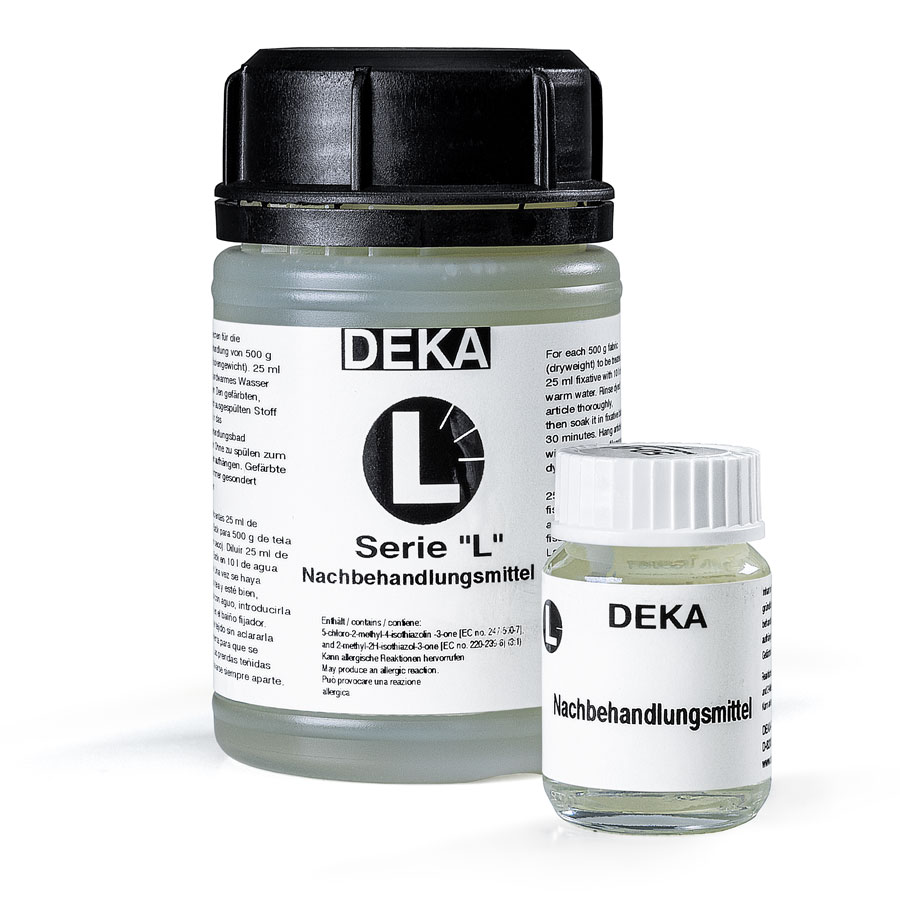
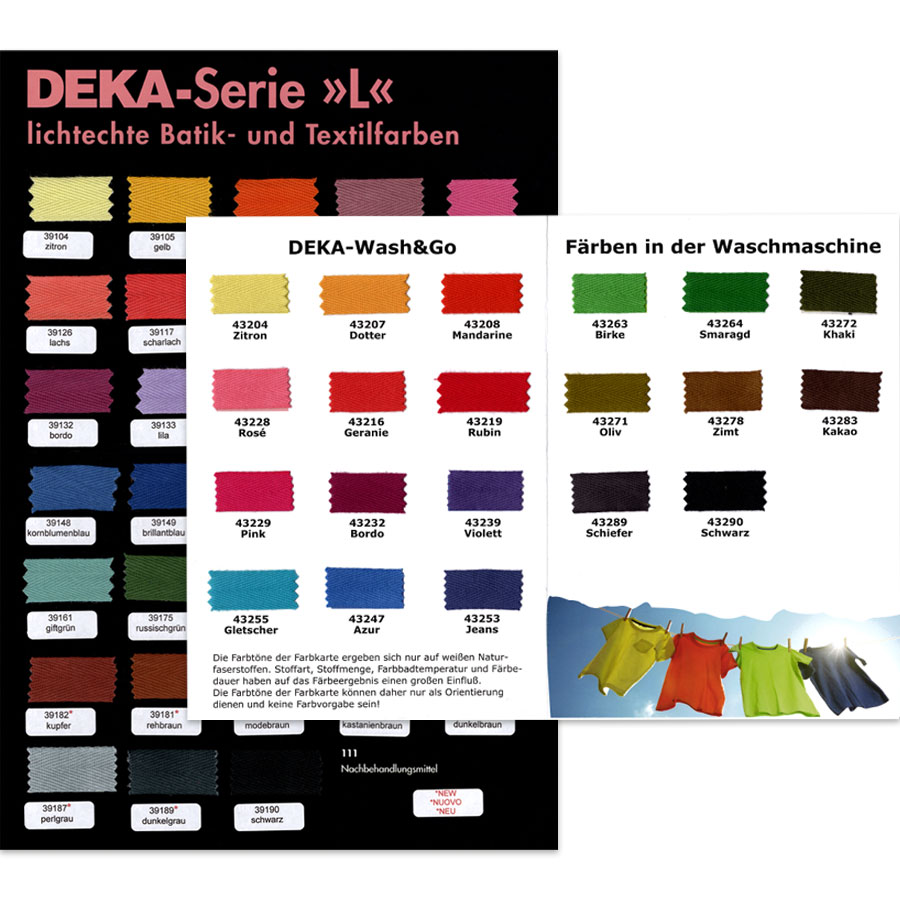
Content: 0.025 Litre (€118.00* / 1 Litre)
Content: 2 Piece (€4.98* / 1 Piece)
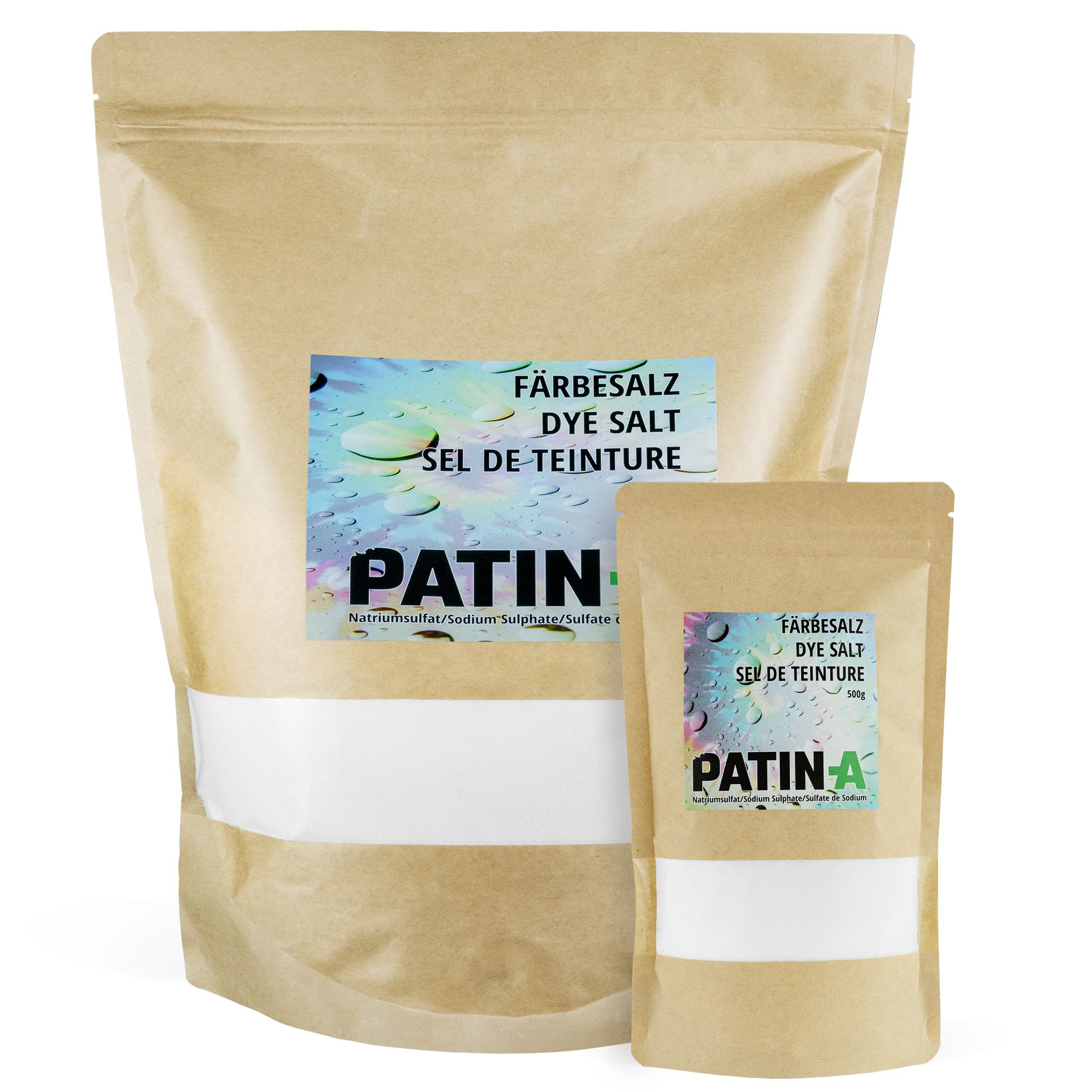
Content: 0.5 Kilogram (€3.70* / 1 Kilogram)
Similar Products
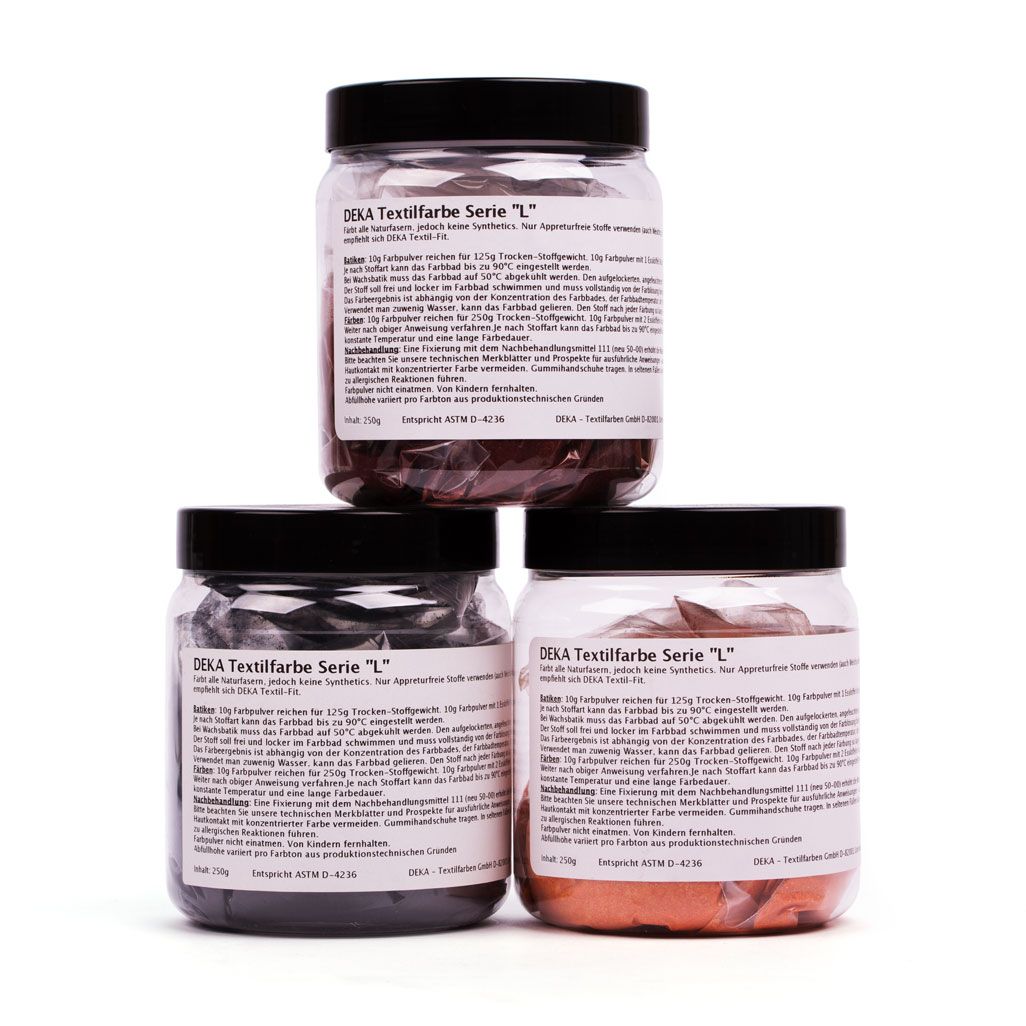
Content: 0.25 Kilogram (€75.80* / 1 Kilogram)
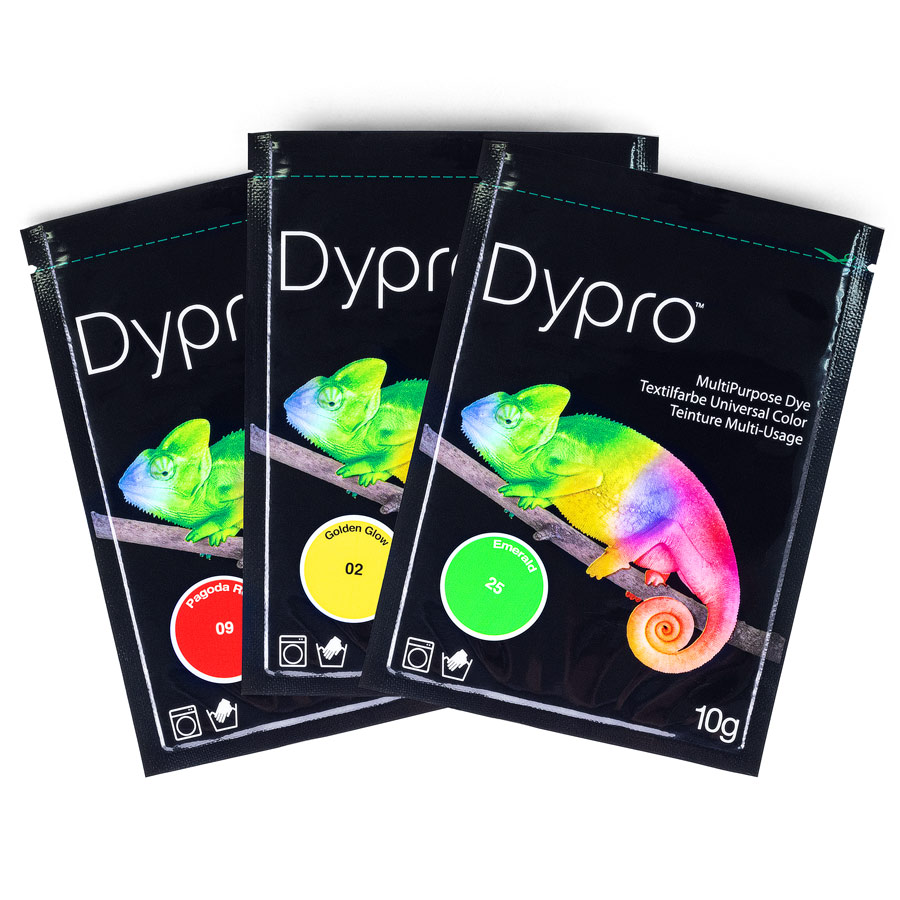
Content: 0.01 Kilogram (€445.00* / 1 Kilogram)
Content: 2 Piece (€4.98* / 1 Piece)
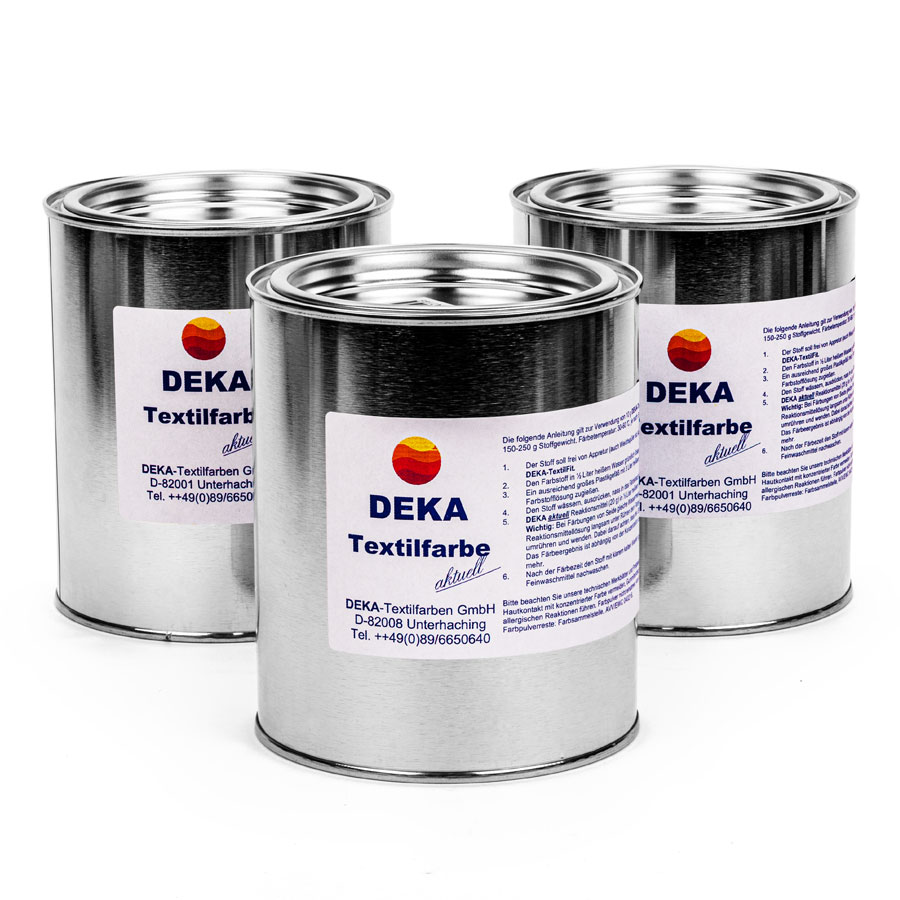
Content: 0.5 Kilogram (€89.90* / 1 Kilogram)
Content: 0.5 Kilogram (€51.90* / 1 Kilogram)
Content: 0.5 Kilogram (€129.90* / 1 Kilogram)
Customer Also Bought
Content: 0.019 Kilogram (€286.84* / 1 Kilogram)
Content: 0.019 Kilogram (€286.84* / 1 Kilogram)
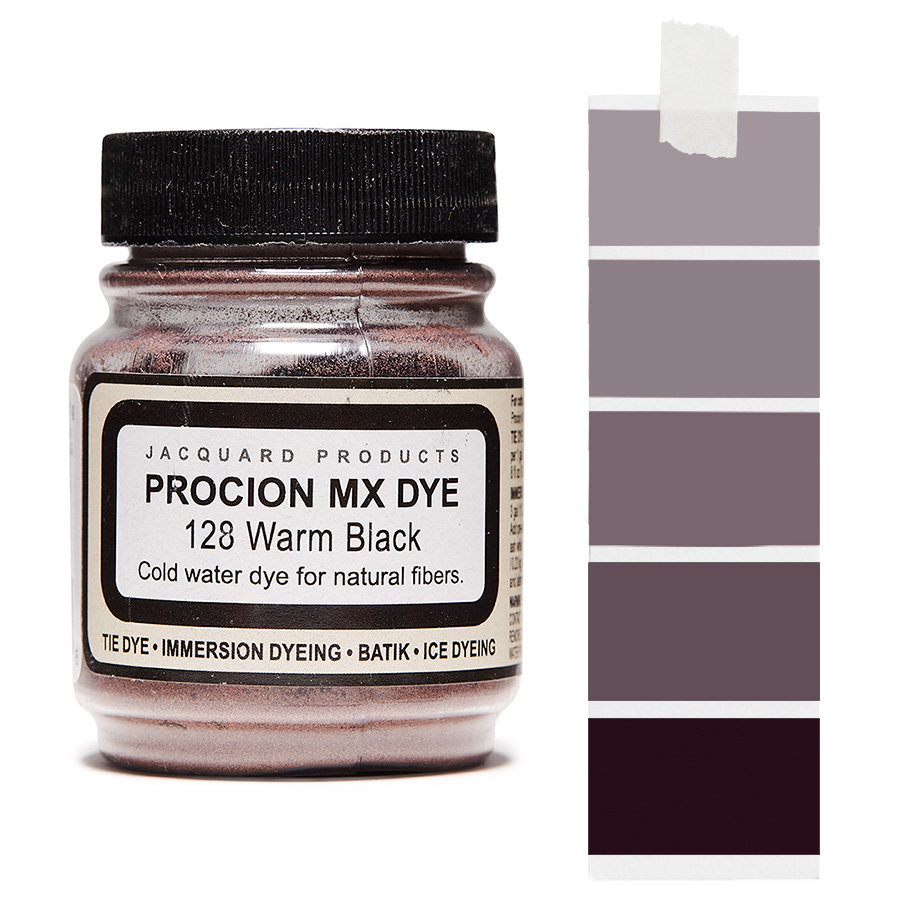
Content: 0.019 Kilogram (€286.84* / 1 Kilogram)
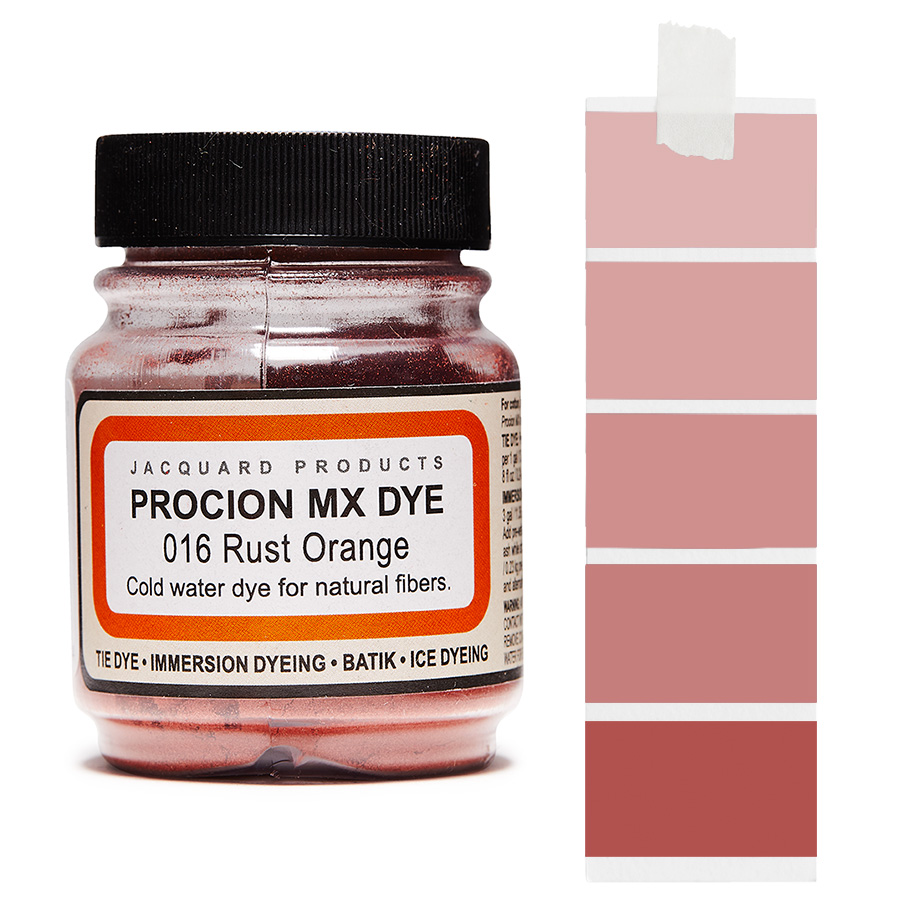
Content: 0.019 Kilogram (€286.84* / 1 Kilogram)
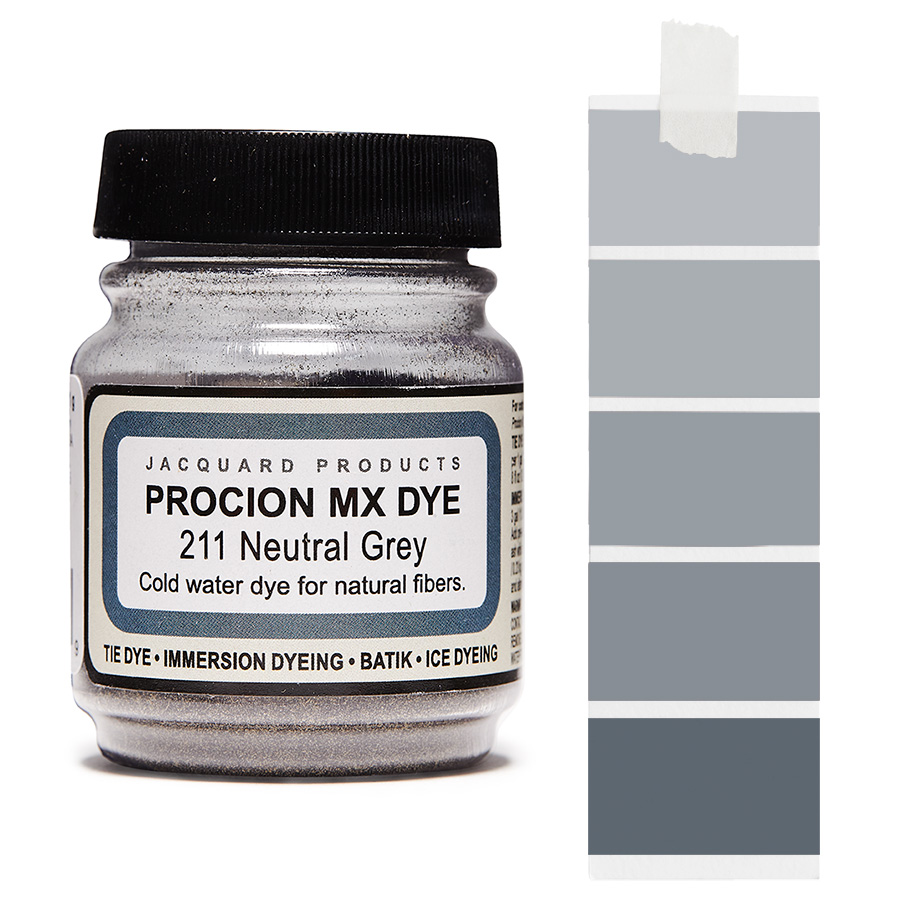
Content: 0.019 Kilogram (€286.84* / 1 Kilogram)
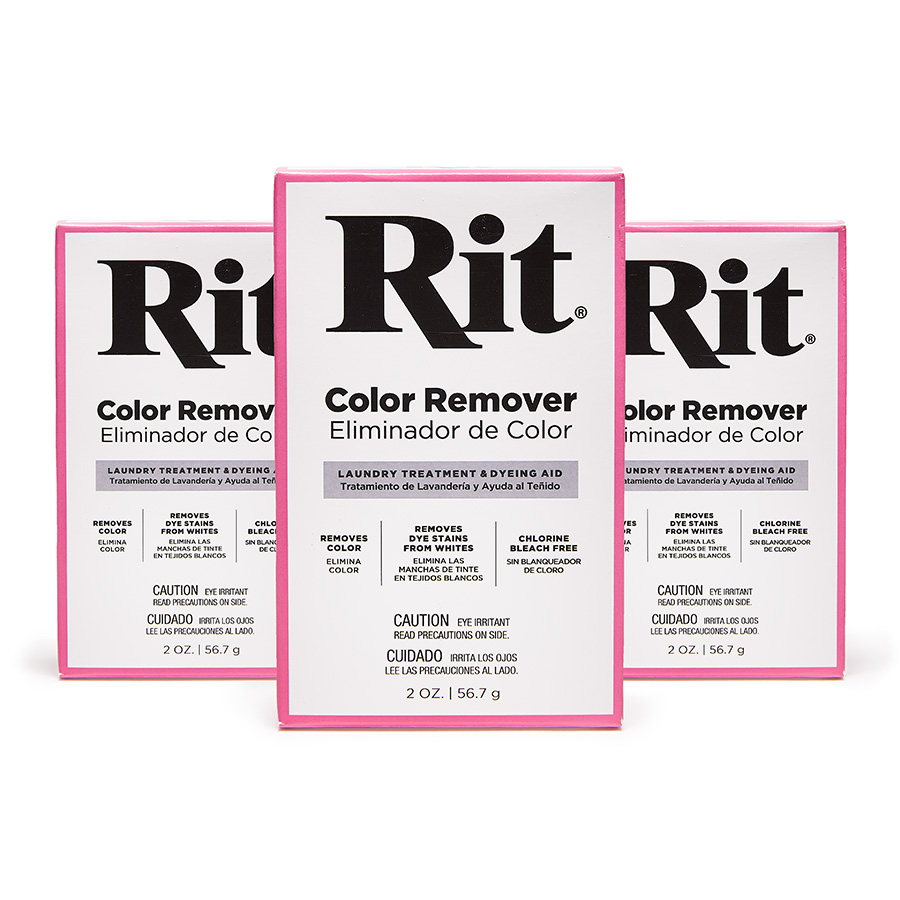
Content: 0.057 Kilogram (€86.84* / 1 Kilogram)
Content: 0.014 Kilogram (€417.86* / 1 Kilogram)
Content: 0.014 Kilogram (€417.86* / 1 Kilogram)
Content: 0.0398 Kilogram (€111.81* / 1 Kilogram)
Content: 0.014 Kilogram (€567.86* / 1 Kilogram)